


Key Takeaways
- Sleep deprivation among teenagers is a growing concern, as natural changes in the adolescent brain delay melatonin production and make early bedtimes more difficult.
- Sleep deprivation creates a sleep debt that weekends cannot fully repay, contributing to poorer academic performance, mood changes, anxiety, depression, and increased suicide risk.
- Chronic sleep loss in teens requires the right support from families and schools, as well as a clinical evaluation if red-flag symptoms are present.
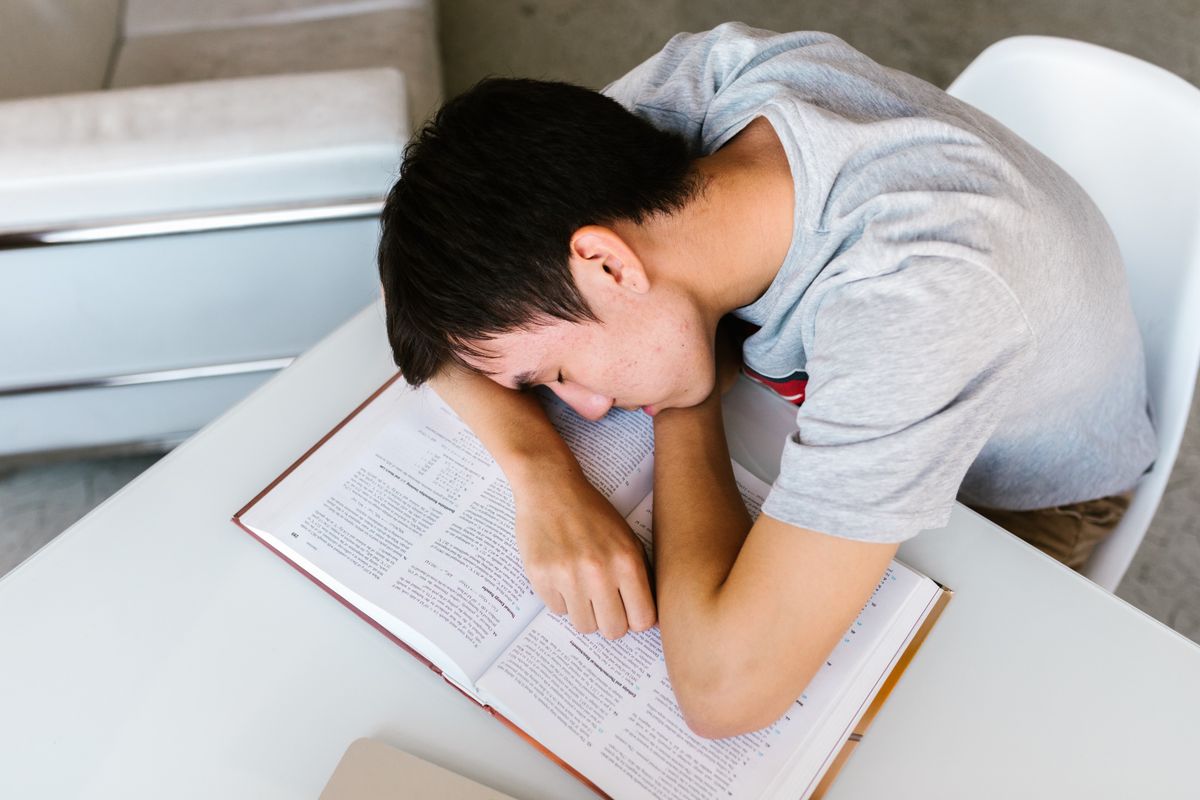
It is 7:00 AM on a Tuesday. You knock on your teenager’s bedroom door for the third time, only to hear a muffled groan. An hour later, they are sitting in class, heavy-lidded and struggling to focus.
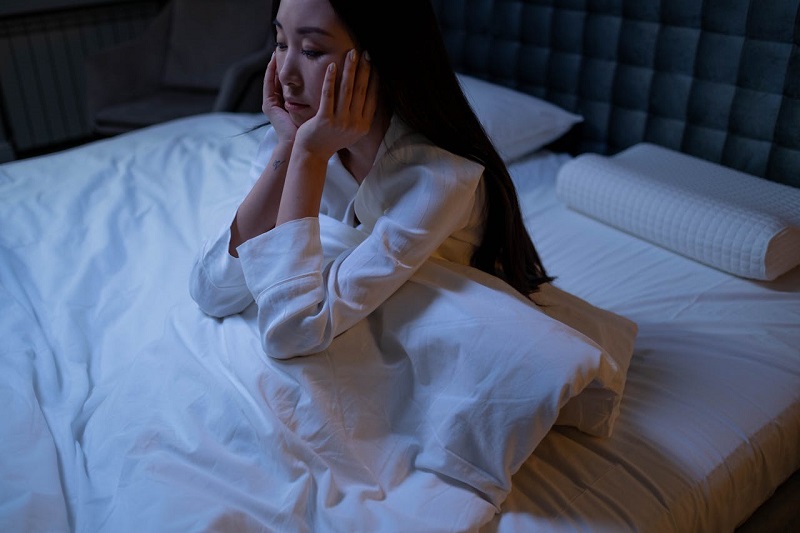
What may look like laziness is often something more serious. The connection between sleep deprivation and teenagers is a growing public health concern, driven by biological changes, academic pressures, and modern lifestyles. Yet many families underestimate the importance of sleep in teens, despite its critical role in learning, emotional well-being, and physical health.
Why are Today's Teens So Sleep-Deprived?
According to 2023 CDC data, only 23% of high school students get the recommended 8–10 hours of sleep on school nights, leaving most adolescents chronically sleep-deprived. If getting your teenager to bed feels like a nightly battle, you're not alone; these sleep challenges are rooted as much in biology as in behavior.
During puberty, the brain undergoes a circadian "phase delay," a shift in the internal clock, that pushes the natural timing of sleep later into the night. Part of this shift involves a delay in nocturnal melatonin secretion, making it genuinely difficult for teens to fall asleep early.
Because of this, your teen’s body is physically resistant to falling asleep before 11:00 PM. When early school starting times collide with this biological reality, the resulting mismatch jeopardizes adolescent health, safety, and school performance.
Environmental and lifestyle factors that compound the problem
Biology may set the stage for later sleep timing, but everyday habits often make the problem worse. Several factors can further reduce the amount of sleep teenagers get each night:
These influences often overlap. A teenager who spends the evening on screens, consumes caffeinated drinks, and stays up late to finish schoolwork is likely to lose even more sleep than biology alone would predict, creating a cycle of chronic sleep restriction.
"Teenagers are wonderful to work with and they educate me often about the incredible stressors they have on many levels - with highlights on social stress and the ability to communicate within them-that is enough to wear them out especially in a high-speed society. Teens, as unique as each is, often exhibit irritability, lack of concentration and sometimes diminished appetite when sleep is short. In our teens' developing minds they are still learning how to take care of themselves. And without solid basic routines enforced, sleep depletion, starts the day with an empty tank."
- Talkspace Therapist, Elizabeth Keohan, LCSW-C
Mental health issues affecting sleep
While environmental and biological factors play a massive role, mental health conditions like anxiety, depression, and attention-deficit hyperactivity disorder (ADHD) can also significantly disrupt a teenager’s ability to get adequate, restorative sleep, according to MedlinePlus. For teens experiencing anxiety, bedtime often turns into a period of heightened rumination, where racing thoughts, academic worries, or social stress keep the nervous system in a state of high alert, making falling asleep difficult.
Depression often alters circadian rhythms and sleep architecture, leading to persistent insomnia, disrupted sleep patterns, or un-refreshing sleep that leaves teens feeling chronically exhausted throughout the day. For teens with ADHD, going to sleep is not easy. Their bodies naturally produce sleep hormones like melatonin later in the evening, pushing their body clock back even further than other teenagers. Furthermore, ADHD makes it difficult to unplug from engaging activities, quiet a racing mind, or sit still, making the process of winding down for bed feel nearly impossible.
How Does Sleep Deprivation Hurt Grades And Focus?
According to several studies, there is a direct link between insufficient rest and a decline in school performance. When a teenager is sleep-deprived, their brain can't function at its full cognitive capacity.
Chronic sleep loss directly compromises several cognitive functions:
- Attention span: Staying focused during a 40-minute lecture becomes an exhausting uphill battle.
- Working memory: Complex problem-solving and following multi-step formulas suffer dramatically.
- Information retention: Missing deep sleep disrupts memory consolidation, causing new information to be easily lost.
Parents and educators should watch for these warning signs:
Sleep better
Get support for sleeping issues and insomnia from a licensed therapist, all from the comfort of home.
Get started- Increased sleepiness during class or homework
- Frequent tardiness or school absences
- Slower reaction times (impacting sports or driving)
- Morning irritability and poor concentration
Spotting these behavioral cues early allows for timely intervention before grades and well-being take a major hit.
What Physical And Mental Health Risks Follow Chronic Teen Sleep Loss?
Academic performance is only part of the story. The consequences of chronic sleep loss in adolescence extend into both physical and mental realms.
"The pre-frontal cortex is still developing in the teen years and with that adequate sleep for rest and recovery aids everything from mood regulation to cognitive functioning. Without sleep, teens compromise clarity day to day but may also impact stress and the ability to manage it and even identify it. Easily, we can cultivate the notion of being well rested, in order to launch a life career of prioritizing self-care, starting with a good night's rest."
- Talkspace Therapist, Elizabeth Keohan, LCSW-C
Physical health risks
On a physical level, chronic sleep deprivation triggers significant metabolic disruptions. It alters hunger-regulating hormones (ghrelin and leptin), which frequently leads to sugar cravings, overeating, and subsequent weight gain. Furthermore, the immune system requires sleep to synthesize protective cytokines; without it, teens experience compromised immune function, a relationship described in Physiological Reviews.
Mental health risks
Getting enough sleep plays a key role in emotional well-being, helping teenagers regulate mood and cope with stress. A National Sleep Foundation poll found that teens who get the recommended 8–10 hours of sleep are less likely to report depressive symptoms. By contrast, poor or disrupted sleep is associated with greater irritability, mood swings, and emotional reactivity, with nearly seven in ten teens dissatisfied with their sleep reporting elevated depressive symptoms.
Understanding sleep debt
Sleep loss is cumulative. Missing three hours of sleep a night from Monday through Friday builds a massive 15-hour sleep debt by the weekend. This deficit compounds over time rather than resetting each night, and trying to catch up by sleeping until noon on Sunday cannot fully undo the resulting metabolic and neurological strain.
The importance of sleep in teens becomes especially clear when looking at population-level data on mental health indicators. A CDC analysis of 2023 Youth Risk Behavior Survey (YRBS) data found that students who reported getting at least 8 hours of sleep were less likely to report at least 1 mental health or suicide risk indicator. Concerns about sleep anxiety, where worry about sleep itself becomes a barrier to rest, can also emerge in teens already dealing with academic or social pressure.
When to seek professional evaluation
Not all sleep problems can be solved with earlier bedtimes or better sleep habits. Some symptoms may point to an underlying sleep disorder that requires medical attention.
Consider seeking a professional evaluation if your teenager experiences:
- Loud, frequent snoring or pauses in breathing during sleep
- Persistent daytime fatigue despite getting adequate sleep
- Uncomfortable sensations in the legs that make it difficult to fall asleep
- Consistently being unable to fall asleep until very late at night despite feeling tired
If these symptoms persist or interfere with daily functioning, consulting a pediatrician or sleep specialist is a sensible next step.
How Many Hours Of Sleep Do Teenagers Need — And How Can Families Hit The Target?
One of the most common questions parents ask is, "How much sleep do teenagers need?" The scientific consensus is pretty clear: teens aged 13–18 should get 8–10 hours of sleep each night. The challenge, however, is not knowing the recommendation but getting those hours consistently. Between early school start times, academic demands, extracurricular commitments, and social obligations, many teenagers face structural barriers that make getting enough sleep hard to achieve consistently.
4 practical sleep hygiene steps
- Lock in wake times: Keep wake-up times consistent on weekends to stabilize the circadian rhythm.
- Curfew the screens: Cut out interactive devices one hour before bed to prevent sleep disruption.
- Watch the caffeine: Avoid caffeinated drinks in the afternoon and evening to protect sleep physiology.
- Wind down quietly: Substitute screens with low-stimulation activities like light reading to transition into sleep.
The importance of sleep in teens is also a conversation worth having directly with your teenager. Understanding how much sleep teenagers need is the foundation, but putting that knowledge into practice takes consistent effort from the whole household.
Help Your Teen Manage Sleep Issues and Stress With Talkspace
Navigating the exhaustion of high school is rarely just about biology; it often takes a quiet toll on a teenager's emotional world, leaving them feeling overwhelmed and disconnected. When it comes to the concept of sleep deprivation and teenagers, an overlap with anxiety, low mood, or academic burnout means that the underlying concern often needs direct attention.
Talkspace connects teens and families with licensed therapists through convenient online therapy specifically for teens, including messaging and live video sessions. If your teenager’s ongoing fatigue seems linked to emotional or mental health challenges, professional support can help uncover the root cause.
Frequently Asked Questions (FAQs)
Why are sleep deprivation and teenagers so closely linked today?
During puberty, a natural shift in a teen's internal clock delays the release of melatonin, the hormone that triggers sleepiness. This shift makes it physically difficult for them to fall asleep early. When this natural biological delay clashes with early school start times, it leaves most high school students chronically short on sleep.
What are the early warning signs of sleep deprivation in teenagers?
Common signs include difficulty staying awake during class, increased tardiness, slower reaction times, and irritability. Students getting fewer than 8 hours of sleep are also more likely to report mental health and mood-related concerns. These behavioral cues can signal that fatigue has become chronic.
How much sleep do teenagers need during the school week?
When looking at how much sleep teenagers need, the clinical answer is definitive: 8 to 10 hours per 24 hours. This target applies every single night, including weekends.
Why is the importance of sleep in teens often overlooked?
The importance of sleep in teens is often underestimated because adolescent exhaustion is frequently mistaken for laziness or poor habits. In reality, puberty shifts the sleep cycle later, while factors like early school start times make it difficult for many teens to get the recommended amount of sleep.
When should parents seek help for teen sleep problems?
Parents should consider professional evaluation when a teen shows signs indicating a sleep disorder, such as loud snoring, extreme daytime sleepiness despite adequate nighttime sleep, or a persistent inability to fall asleep at a reasonable hour.
Sources
- CDC. Youth Risk Behavior Survey. Data Summary & Trends Report for Dietary, Physical Activity, and Sleep Behaviors: 2013–2023. https://www.cdc.gov/yrbs/dstr/pdf/DSTR-Dietary-PhysicalActivity-SleepBehavior2013-2023-508.pdf. Accessed on Jun 3, 2026.
- MedlinePlus. Recognizing Teen Depression. https://medlineplus.gov/ency/patientinstructions/000648.htm. Accessed on Aug 10, 2026.
- Cureus. The Role of Sleep and the Effects of Sleep Loss on Cognitive, Affective, and Behavioral Processes. https://pmc.ncbi.nlm.nih.gov/articles/PMC12168795/. Accessed on June 3, 2026.
- Physiological Reviews. The Sleep-Immune Crosstalk in Health and Disease. https://pmc.ncbi.nlm.nih.gov/articles/PMC6689741/. Accessed on June 9, 2026.
- National Sleep Foundation. The Critical Connection between Teens’ Sleep and Mental Health. https://www.thensf.org/the-critical-connection-between-teens-sleep-and-mental-health/. Accessed on June 9, 2026.
- CDC. Mental Health and Suicide Risk Among High School Students and Protective Factors — Youth Risk Behavior Survey, United States, 2023. https://www.cdc.gov/mmwr/volumes/73/su/su7304a9.htm. Accessed on June 3, 2026.
Talkspace articles are written by experienced mental health-wellness contributors; they are grounded in scientific research and evidence-based practices. Articles are extensively reviewed by our team of clinical experts (therapists and psychiatrists of various specialties) to ensure content is accurate and on par with current industry standards.
Our goal at Talkspace is to provide the most up-to-date, valuable, and objective information on mental health-related topics in order to help readers make informed decisions. Articles contain trusted third-party sources that are either directly linked to in the text or listed at the bottom to take readers directly to the source.