


Key Takeaways
- The military-to-civilian transition involves more than logistics; it often triggers identity loss, social disconnection, and mental health challenges that can persist for years if left unaddressed.
- Anxiety, depression, and post-service PTSD are among the most common mental health challenges veterans face after leaving service, and all are treatable.
- Military skills translate directly into civilian strengths, but veterans often need support reframing their experience in language that civilian employers and communities understand.
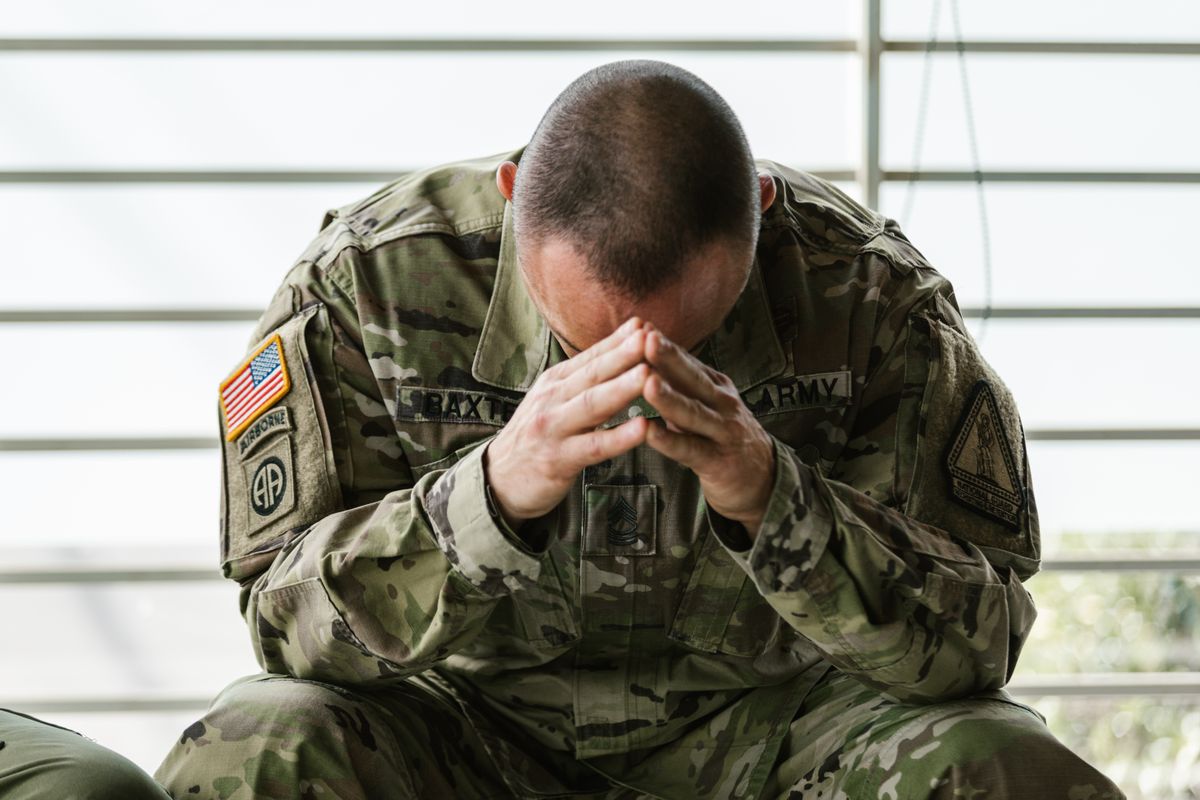
The uniform comes off, the orders stop, and suddenly the structure that defined your days for years is gone. For many veterans, the first weeks and months after separation feel less like freedom and more like freefall. The psychological effects of military service don't disappear at discharge; they follow you into civilian life, often without a clear outlet or support system to help process them.
Transitioning out of the military is an incredibly significant life change, and the mental health dimension of that transition is consistently underestimated. This isn't about weakness. It's about navigating a profound identity shift without the tools most civilians took years to build. Understanding what you're up against is the first step toward getting through it well.
"As a clinician, I look for early signs such as persistent irritability, sleep disturbances, social withdrawal, increased alcohol or substance use, and difficulty finding purpose or structure after military service. Veterans may also experience heightened anxiety, depression, hypervigilance, or feelings of isolation, making early screening and supportive intervention critical during the transition to civilian life.”
— Talkspace Therapist, Dr. Cynthia Catchings, Ph.D., LCSW-S, LCSW-C.
What Mental Health Hurdles Do Veterans Face After Leaving the Military?
The transition from military to civilian life strips away several things at once: structure, identity, community, and purpose. According to Mission Roll Call, an estimated 41% of veterans need mental health care every year, with vulnerability peaking in the first three months after separation. For many veterans, these losses arrive simultaneously and without warning, creating a psychological gap that's difficult to name and even harder to fill.
Some of the most common mental health challenges during this period include:
- Loss of structure and routine: Military life is highly regulated. When that structure disappears, many veterans experience disorientation, difficulty making decisions, and a loss of momentum that can quickly spiral into low mood or anxiety.
- Identity disruption: For service members who spent years defining themselves through rank, unit, and mission, civilian life can feel like starting from scratch. Questions like "who am I without the uniform?" are more common than most veterans expect and more destabilizing than most civilians understand.
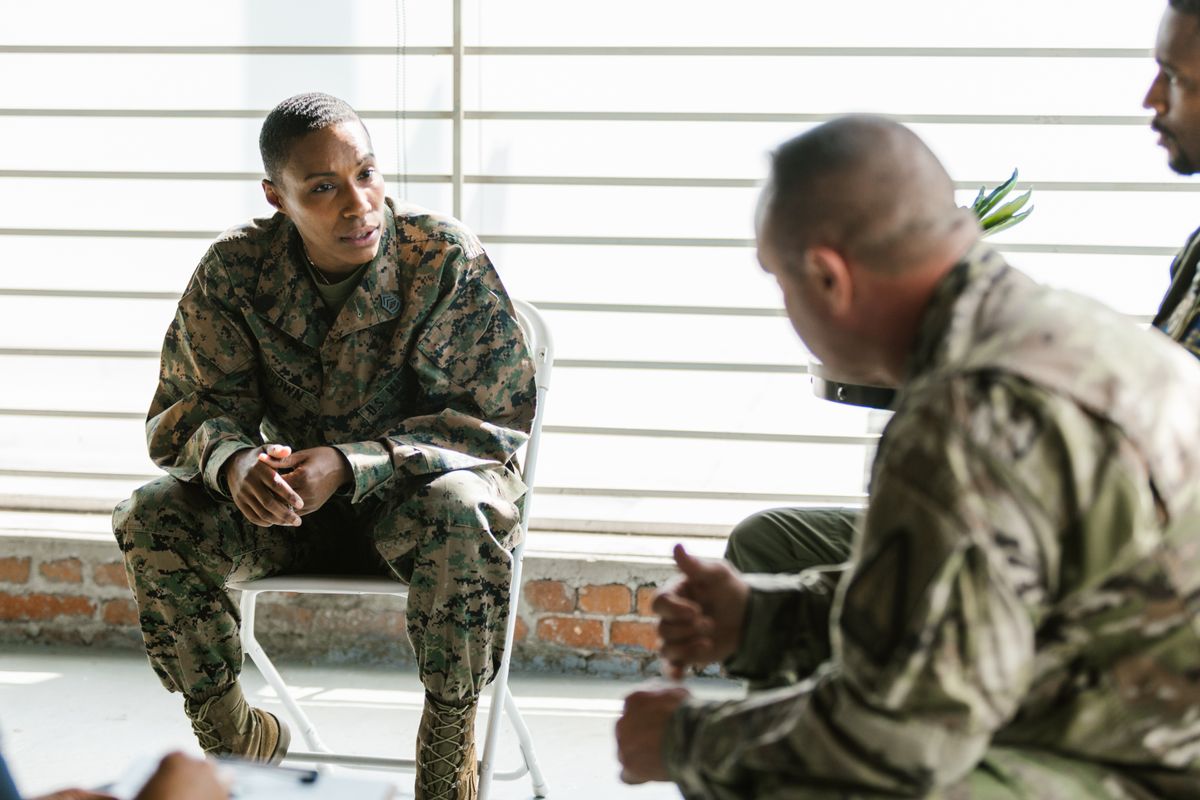
- Social disconnection: The bonds formed through shared service are difficult to replicate in civilian contexts. Many veterans describe feeling fundamentally misunderstood by friends, family, and coworkers who haven't shared their experience.
- Hypervigilance in everyday settings: Environments that feel ordinary to civilians — crowded malls, traffic, loud public spaces — can feel threatening to veterans whose nervous systems were calibrated for high-alert conditions.
- Financial and employment stress: Uncertainty about income, career direction, and translating military experience into civilian job applications adds significant pressure to an already demanding transition period.
The stress that builds during military service doesn't always resolve on its own after separation. If you recognize several of these patterns in yourself, that recognition is important, and reaching out for support sooner rather than later consistently leads to better outcomes.
Recognizing signs of anxiety and depression
Anxiety and depression are two of the most prevalent mental health conditions among transitioning veterans, and both can be easy to dismiss as normal adjustment stress. The distinction worth paying attention to is duration and intensity.
The following checklist can help you take stock of where you are:
Ask yourself:
- Have I felt this way most days for more than two weeks?
- Is this affecting my relationships, my work, or my ability to function?
If the answer is yes to either, talking to a trusted person in your life and then a mental health professional is a reasonable and important next step.
Understanding post-service PTSD triggers
PTSD doesn't always look the way it's depicted in films. For many veterans, it surfaces through specific civilian triggers that bear little obvious resemblance to their original experiences in service.
Common triggers during the transition period include:
- Loud, sudden noises such as fireworks, backfiring vehicles, or construction
- Crowded or unpredictable public spaces where exits and threats can't be easily assessed
- News coverage of conflict, casualties, or events that mirror service experiences
- Anniversaries of significant events from deployment
- Interpersonal conflict, which can activate threat responses calibrated for high-stakes environments
Online therapy for military members
Find out if your insurance covers Talkspace and connect with an experienced, licensed therapist.
Get startedWhen a trigger activates a stress response, grounding techniques can help create immediate distance from the reaction. The 5-4-3-2-1 method — identifying five things you can see, four you can touch, three you can hear, two you can smell, and one you can taste — is a practical tool that can interrupt a spiral in real time. If triggers are frequent, intense, or interfering with daily life, that's a clear signal to seek professional support rather than waiting it out.
How Can Veterans Rebuild Purpose and Identity in Civilian Life?
"One of the most effective therapeutic strategies is helping veterans identify strengths, values, and skills developed during military service and translate them into meaningful civilian roles and relationships. Combining evidence-based therapies with goal setting, community connection, and purpose-driven activities can help veterans rebuild a sense of identity, belonging, and direction after leaving the military.”
— Talkspace Therapist, Dr. Cynthia Catchings, Ph.D., LCSW-S, LCSW-C.
Purpose isn't something civilians hand you on the way out of the base. For most veterans, it has to be actively reconstructed, and that process takes time, intention, and often some outside support. The good news is that military service builds a foundation of values, discipline, and resilience that translates meaningfully into civilian contexts, once it's properly framed.
Start by separating identity from role. You were a service member. That experience shaped you. But who you are extends beyond any rank or title, and civilian life offers space to explore dimensions of identity that service may have compressed.
Connecting with veteran peer communities, pursuing education or training, engaging in physical activity with purpose, or volunteering in roles that draw on your experience are all ways to begin rebuilding a sense of meaning without waiting until everything feels settled.
Turning military values into civilian strengths
One of the most practical early steps in the transition is learning to translate military experience into language that resonates in civilian contexts. This isn't about minimizing what you've done; it's about making it legible to people who didn't share it.
Here's how some core military competencies map onto civilian strengths:
What Resources Can Ease the Military-to-Civilian Transition?
Navigating the transition alone is harder than it needs to be. The right resources, used early, can make a meaningful difference in both mental health outcomes and long-term stability.
Here's a practical breakdown of what's available and what each offers:
- VA mental health services cover individual therapy, group programs, and specialized PTSD treatment, often at no cost to eligible veterans. A service-connected disability rating isn't required to access mental health care — a fact many veterans don't know and miss out on as a result. Enrollment can be started at any VA medical center or through VA.gov.
- Vet centers offer a lower-barrier entry point than VA medical centers. These community-based locations provide counseling, peer support, and readjustment services in a less institutional setting. They're particularly useful for veterans who aren't ready for a full VA engagement but need connection and support.
- Community organizations like Team Red White and Blue, the Bob Woodruff Foundation, and Student Veterans of America extend well beyond what formal clinical settings provide, offering peer programming, advocacy, and the kind of community that's hard to replicate in a clinical context.
- Mental health apps, including the VA's PTSD Coach and Mindfulness Coach, are free, evidence-informed tools that can support coping between therapy sessions or serve as a first step before engaging professional care.
Using these resources isn't a sign that the transition is going wrong. It's a sign that you're taking it seriously.
Build your personal support network
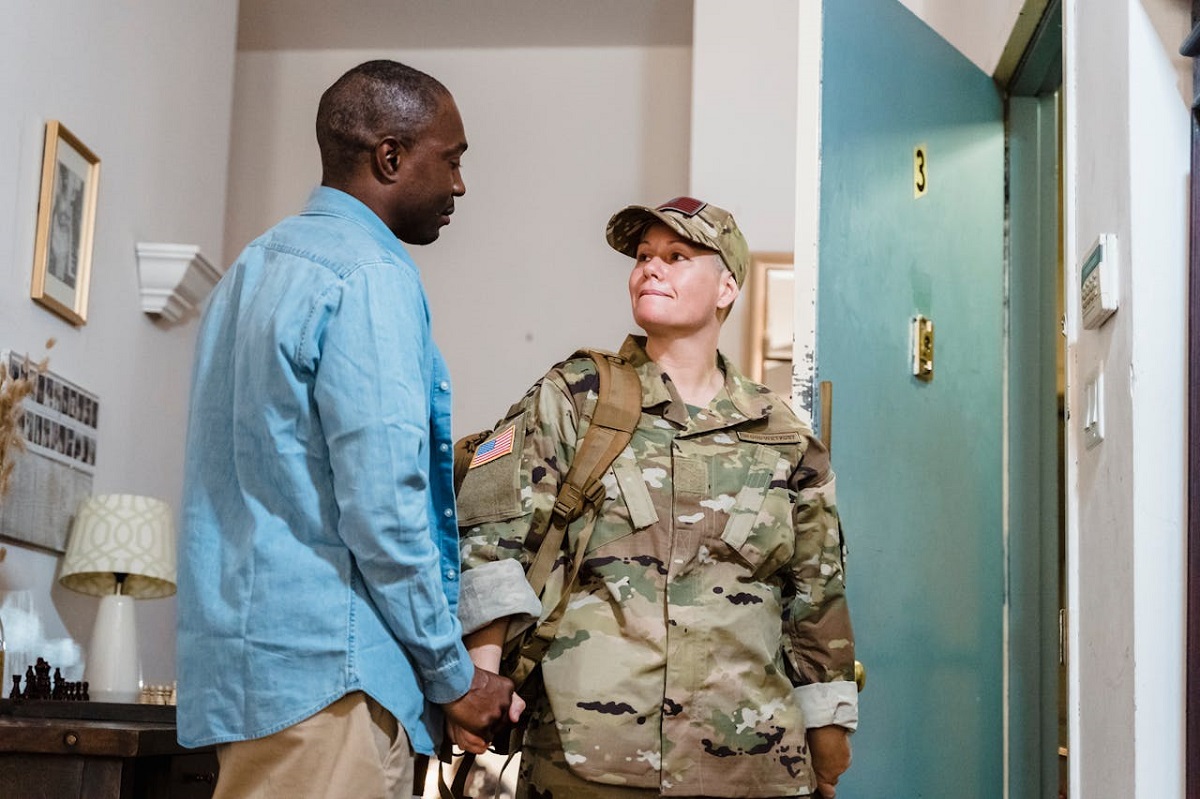
Resources work better when there are people around you who understand what you're navigating. Building a civilian support network after service is one of the most consistently helpful things a veteran can do for long-term mental health, and also one of the hardest parts of the transition to prioritize.
A few practical starting points: Reconnect with fellow veterans through local VSOs, online communities like RallyPoint, or peer support programs through the VA. Be direct with family members about what the transition involves — partners and family often want to help but don't know what's needed.
For families trying to understand their veteran's experience, resources on benefits and support for military families can provide useful context. Peer connection doesn't replace professional support, but it creates the relational foundation that makes everything else more sustainable.
How Does Therapy Support Your Post-Service Mental Health?
Returning to civilian life after military service can feel disorienting. The transition brings real mental health challenges, from PTSD and anxiety to depression and isolation, that many veterans quietly carry alone.
Talkspace connects veterans with licensed therapists who understand military experiences. Even better, you can access affordable mental health care covered by insurance, making quality support more reachable than ever. Sessions happen on your schedule, from wherever you are, with no waiting rooms or rigid appointments.
Getting support should be straightforward. Explore online therapy for veterans and take the first step toward feeling like yourself again.
Frequently Asked Questions (FAQs)
Are veteran transition challenges linked to long-term mental health issues?
Yes, when left unaddressed, transition-related stress can develop into chronic anxiety, depression, or PTSD. Veterans who struggle during the transition period and don't access support are at higher risk for long-term mental health challenges.
Can I access VA mental health care immediately after discharge?
In most cases, yes. Veterans are generally eligible for VA mental health services, and many can begin accessing care shortly after separation. Some veterans qualify for enhanced eligibility periods that cover the first year post-discharge. Contacting your nearest VA facility or visiting VA.gov is the fastest way to confirm your eligibility and begin enrollment.
What support options are available for veterans transitioning out of the military?
Veterans transitioning out of the military can access support through programs like the U.S. Department of Veterans Affairs (VA) for healthcare, education, and career services, as well as nonprofit organizations offering housing, mental health, and employment assistance. Many also benefit from peer support networks and veteran-specific counseling to ease the adjustment to civilian life.
Does online therapy qualify for VA reimbursement?
Yes, online therapy can qualify for VA reimbursement, but coverage depends on the specific plan and provider. Veterans should verify with their local VA facility to confirm eligible telehealth services and approved providers.
How can families support a veteran during the transition?
Families can support a veteran during the transition by providing emotional encouragement, listening without judgment, and fostering a stable home environment. They can also help by connecting the veteran to resources for healthcare, education, employment, and peer support, and by being patient as the veteran adjusts to civilian life.
Sources
- Pinkston. The state of veterans' mental health [2024]. Mission Roll Call. https://missionrollcall.org/veteran-voices/articles/the-state-of-veterans-mental-health/. 2024 Sep 24. Accessed May 07, 2026.
Talkspace articles are written by experienced mental health-wellness contributors; they are grounded in scientific research and evidence-based practices. Articles are extensively reviewed by our team of clinical experts (therapists and psychiatrists of various specialties) to ensure content is accurate and on par with current industry standards.
Our goal at Talkspace is to provide the most up-to-date, valuable, and objective information on mental health-related topics in order to help readers make informed decisions. Articles contain trusted third-party sources that are either directly linked to in the text or listed at the bottom to take readers directly to the source.