

Key Takeaways
- The suicide hotline for veterans is free, confidential, and available 24/7 — call 988 and press 1, text 838255, or chat at VeteransCrisisLine.net.
- No Department of Veterans Affairs (VA) enrollment or existing benefits are required to use the Veterans Crisis Line by phone, text, or chat.
- Families and friends of veterans can also contact Veterans Crisis Line (VCL) directly to get guidance on supporting someone they're concerned about.
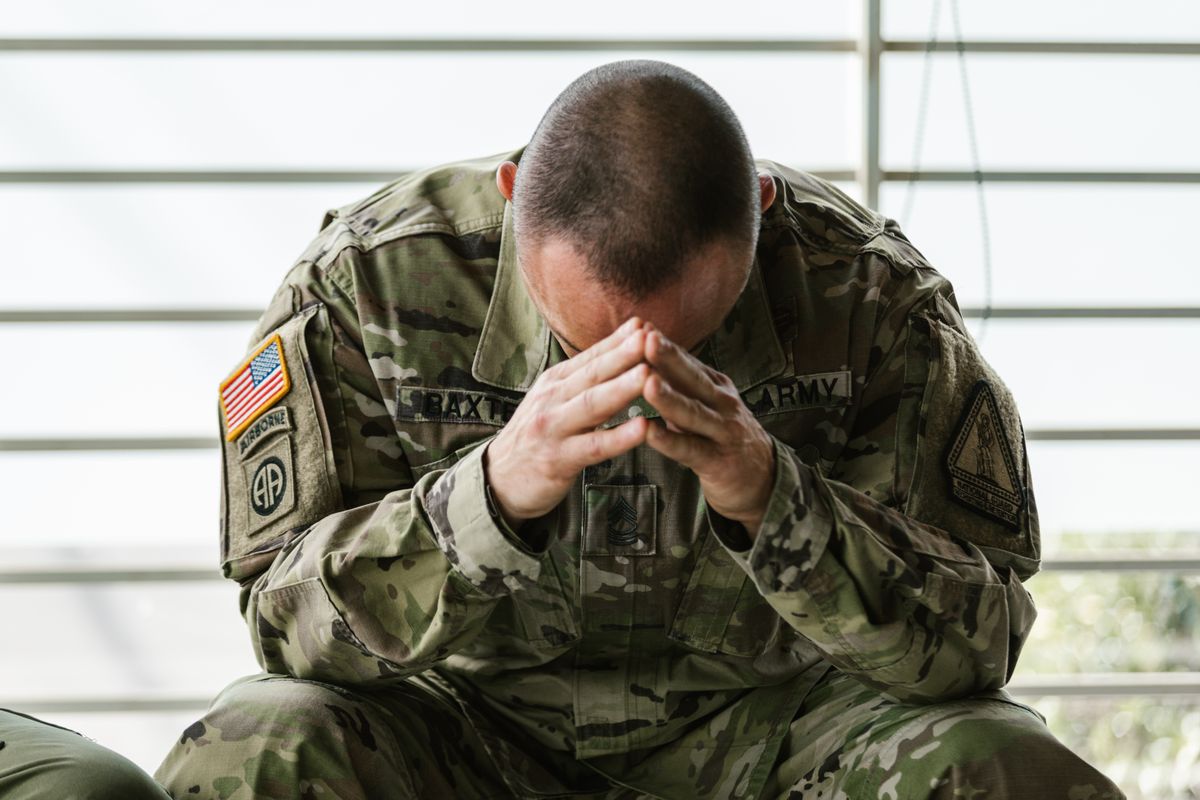
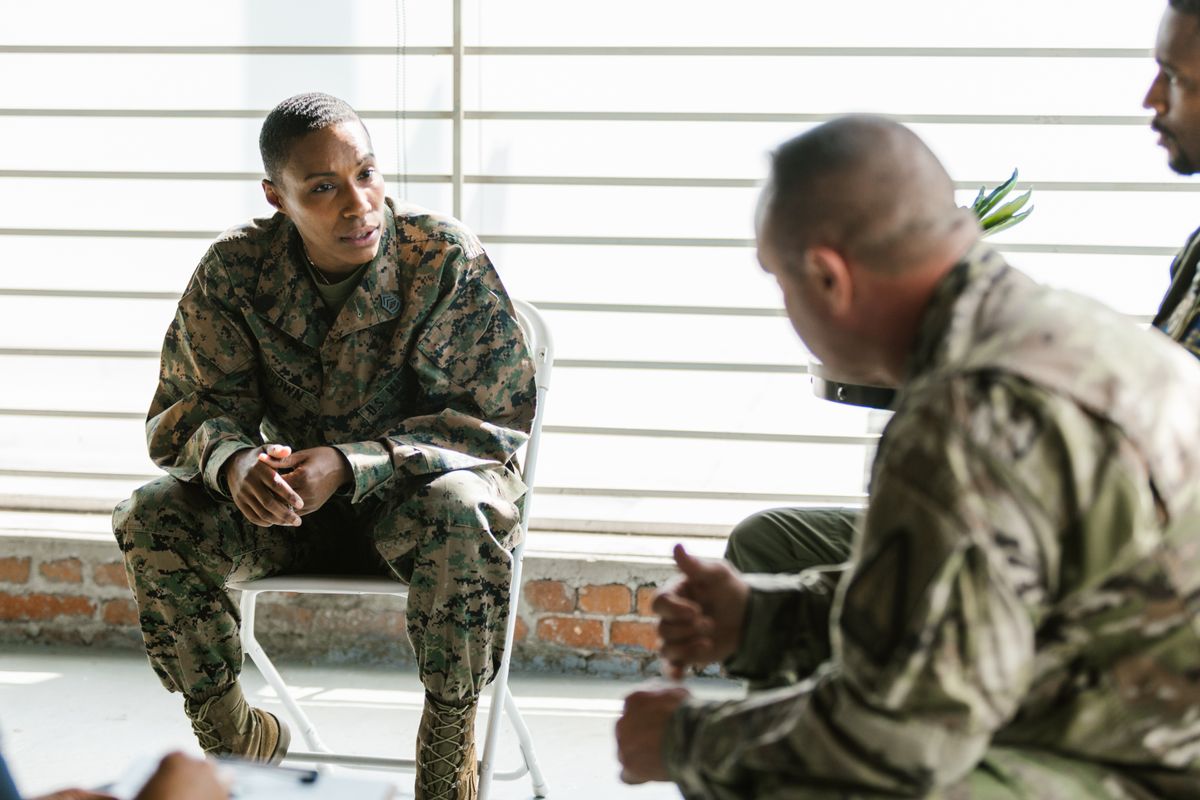
Service doesn't end when the uniform comes off, and neither do its wounds. For millions of veterans and military families across the U.S., the transition to civilian life can quietly unravel into something far more serious: sleepless nights that stretch into months, a distance from loved ones that no one can explain, or a darkness that feels impossible to name. These aren't signs of weakness. They are the invisible costs of extraordinary sacrifice.
In 2023, the National Veteran Suicide Prevention Annual Report released by Veterans Affairs (VA) recorded nearly 6,400 veteran suicides, more than 17 every single day. Strikingly, nearly two-thirds of those veterans had not accessed VA health care in their final year, making one truth impossible to ignore: crisis support must reach veterans wherever they are, not just those already inside the system. This underscores the urgent need for accessible and proactive crisis support for all veterans, regardless of their connection to existing services.
What is the Veterans Crisis Line and Why Does it Matter?
The Veterans Crisis Line (VCL) is a suicide hotline for veterans, a free, confidential service for veterans, service members, and their families, with no VA enrollment required. Many VCL responders are veterans themselves, bringing firsthand military experience to every call.
The 988 number was established by the National Suicide Hotline Designation Act in 2020, creating a simple three-digit path to crisis support. Veterans can also reach VCL through the prior Lifeline number, 1-800-273-8255, pressing 1. Dedicated guidance for veterans and service members is available through the national 988 Lifeline as well.
According to the VA News, in the two years following the July 2022 launch of "Dial 988, then Press 1," VCL answered more than 2 million calls, texts, and chats. This volume proves the scale of need and the reach of the service.
Here's an overview of VCL:
How to Contact the Suicide Hotline for Veterans
The suicide hotline for veterans offers three ways to connect, so you can choose whatever channel feels most manageable in the moment. Each channel is free, confidential, and available around the clock.
1. Phone: Dial 988 then press 1
Calling is often the best option when someone needs real-time, voice-to-voice support. Dial 988, then press 1 to reach a VCL responder directly. If you're hard of hearing, a TTY (Teletypewriter or Text Telephone) option is available at 1-800-799-4889. Spanish-speaking responders are available through both the 988 Lifeline and the VCL.
According to research in World Psychiatry, in March 2024, the average wait time for 988 calls across U.S. states was 21 seconds. About 85% of calls were answered within the caller’s own state, which is considered a key measure of service quality.
Text and chat: 838255 or VeteransCrisisLine.net/Chat.
To reach the military suicide hotline by text, send any message to 838255 to start. For chat, visit VeteransCrisisLine.net. Both options are free, confidential, and available 24/7. Text STOP to end the conversation at any time.
When you start a chat, a responder joins within minutes and asks a few questions about your safety. Your personal information is used only for referral to local care with your permission, in an emergency, or as required by law. After the chat ends, you may be connected with a local suicide prevention coordinator for follow-up the next business day.
What Happens After You Reach Out to Veterans Crisis Support for Help?
Many veterans and family members hesitate to contact the suicide hotline for veterans because they don't know what the experience will feel like. The process is designed to reduce that uncertainty. For phone calls, a brief recording plays first, then a qualified responder picks up. For chat, VCL describes a clear sequence:
- A responder connects with you and asks a few questions, including whether you may be in immediate danger or experiencing thoughts of suicide.
- You decide what personal information to share — nothing is required.
- The responder helps you through the crisis and can connect you to local VA or community services.
- If you choose to share contact details, a Suicide Prevention Coordinator (SPC) at the nearest VA medical center will follow up by the next business day.
- If the situation is not immediately life-threatening, the responder helps you build a plan to stay safe.
Online therapy for military members
Find out if your insurance covers Talkspace and connect with an experienced, licensed therapist.
Get startedThe experience moves at your pace, not a script's. The follow-up option is built to bridge the gap between a crisis moment and longer-term care, not just serve as a single conversation. If someone is in imminent danger, emergency services may be coordinated.
Clearly explaining each step of a crisis call helps veterans feel a sense of predictability and control, which can significantly reduce anxiety in an unfamiliar and vulnerable moment. This transparency fosters trust by showing respect, collaboration, and safety, making it more likely they will remain engaged and seek support again.
-Talkspace Therapist, Dr. Cynthia V. Catchings, LCSW-S
Which Warning Signs Indicate a Veteran May Be Suicidal?
Many people in distress don't show obvious signs — which is exactly why knowing the subtler ones matters.
VA guidance identifies several behavioral and emotional signals to watch for:
- Verbal cues: Talking about wanting to die, feeling like a burden, or expressing survivor’s guilt
- Behavioral changes: Withdrawing, giving away possessions, neglecting personal care, or increased substance use
- Emotional shifts: Hopelessness, rage, agitation, or a heightened startle response
- Preparation signals: Getting affairs in order or seeking means to cause harm
If you notice one or more of these signs, taking action early makes a meaningful difference.
What to do:
- If there’s an immediate risk, call 911 or emergency services
- Stay with the person and listen without judgment
- Encourage contacting the VCL, a similar crisis line, or a trusted support
- Remove access to anything that could be used for self-harm
Families and peers can recognize early warning signs through noticeable shifts such as withdrawal, increased substance use, hopelessness, or talking about being a burden, especially when these changes feel abrupt or out of character. The most effective immediate actions are to stay present, ask directly about suicidal thoughts without judgment, and connect the veteran to support—such as the veterans’ crisis line, to reduce isolation and increase safety.
-Talkspace Therapist, Dr. Cynthia V. Catchings, LCSW-S
Where Else Can Veterans and Military Families Find Support?
Crisis lines are a good first move in a crisis moment, but lasting mental health care often means identifying mental health challenges and building a wider support system over time.
VA programs and local coordinators
Every VA medical center has a suicide prevention coordinator who can connect veterans with counseling and local services. You can find one through the Suicide Prevention Coordinator locator.
Veterans may also qualify for emergency mental health care, even without prior enrollment, depending on eligibility. Programs like Coaching Into Care offer free, confidential guidance from licensed clinicians for families supporting a veteran.
Community and nonprofit resources
Several nonprofit and national services provide additional support:
- Crisis Text Line: Text HOME to 741741 for free, 24/7 text-based crisis support
- Substance Abuse and Mental Health Services Administration (SAMHSA): Veteran and military family resources at https://www.samhsa.gov/technical-assistance/smvf
- Give an Hour: Free, confidential mental health care for veterans, active-duty, and some caregivers — a non-emergency support option, not a crisis line
- Wounded Warrior Project: Resource navigation support; directs anyone in crisis to the VCL
- Peer-support groups: Community-based spaces for shared understanding and connection
Finding Ongoing Support Through Talkspace
A crisis line is a lifeline in a critical moment, but veterans and military families often need something more consistent: ongoing mental health care with a professional who understands their world.
Talkspace connects people with licensed therapists through flexible online therapy, including message-based therapy and live video sessions. For veterans managing irregular schedules or limited access to in-person care, having a therapist available from anywhere can lower the barrier between wanting help and actually getting it.
Talkspace also offers psychiatry services, including evaluation and prescription mental health treatment, for those who may benefit from additional clinical support. Many insurance plans are accepted, making ongoing care more accessible for a wide range of members.
Take the first step toward support today by exploring therapy for veterans through Talkspace.
Frequently Asked Questions (FAQs)
Does calling the Veterans Crisis Line affect my VA record?
No, contacting the Veterans Crisis Line does not create a record in your VA health file. Calls, texts, or chats are confidential and are not automatically shared with VA medical records unless you give permission.
Can I call the Veterans Crisis Line if I'm overseas?
Yes, you can call the Veterans Crisis Line from overseas by dialing +1-800-273-8255 and pressing 1. International calls may incur standard long-distance charges depending on your phone service.
Is there a suicide hotline for active-duty service members?
Yes, active-duty service members can contact the Military Crisis Line by dialing 988 and pressing 1, or by texting 838255. The line provides confidential support and connects service members to trained responders familiar with military-specific challenges.
What if I dial 988 but forget to press 1?
If you dial 988 but don’t press 1, your call will connect to the general Suicide & Crisis Lifeline instead of the Military Crisis Line. You can still receive help, but pressing 1 ensures you are connected to responders trained specifically to support active-duty service members, veterans, and their families.
How can I help a veteran who refuses to call the crisis line?
You can support a veteran who refuses to call the crisis line by offering non-judgmental listening and expressing concern without pressure. Encourage alternative forms of help, such as therapy for veterans, in-person counseling, or connecting them with trusted friends, family, or veteran support groups, emphasizing that seeking support is a sign of strength.
Sources
- U.S. Department of Veterans Affairs. VA releases annual Veteran suicide prevention report, updated with 2023 data. U.S. Department of Veterans Affairs. https://news.va.gov/press-room/va-releases-annual-veteran-suicide-prevention-report-updated-with-2023-data/. 2026 February 5; Accessed April 3, 2026.
- U.S. Department of Veterans Affairs. Veterans Crisis Line. U.S. Department of Veterans Affairs. https://www.veteranscrisisline.net/. Accessed April 3, 2026.
- U.S. Department of Veterans Affairs. What is 988. U.S. Department of Veterans Affairs. https://www.veteranscrisisline.net/about/what-is-988/. Accessed April 3, 2026.
- Substance Abuse and Mental Health Services Administration. Veterans and service members. 988 Suicide & Crisis Lifeline. https://988lifeline.org/help-yourself/veterans-service-members/. Accessed April 3, 2026.
- U.S. Department of Veterans Affairs. Two years since launch of dial 988 then press 1, Veterans Crisis Line is supporting more veterans than ever. U.S. Department of Veterans Affairs. https://news.va.gov/press-room/two-years-since-launch-of-dial-988-then-press-1-veterans-crisis-line-is-supporting-more-veterans-than-ever/. 2024 July 16; Accessed April 3, 2026.
- Purtle J, Lindsey M. The 988 Suicide and Crisis Lifeline in the US: status of evidence on implementation. World Psychiatry. 2025;24(1):135-136. doi:10.1002/wps.21285
- https://pmc.ncbi.nlm.nih.gov/articles/PMC11733462/. Accessed April 3, 2026.
- Mells L. Warning signs and ways to support Veterans in crisis. U.S. Department of Veterans Affairs. https://news.va.gov/145538/warning-signs-ways-support-veterans-in-crisis/. 2026 March 12; Accessed April 3, 2026.
Talkspace articles are written by experienced mental health-wellness contributors; they are grounded in scientific research and evidence-based practices. Articles are extensively reviewed by our team of clinical experts (therapists and psychiatrists of various specialties) to ensure content is accurate and on par with current industry standards.
Our goal at Talkspace is to provide the most up-to-date, valuable, and objective information on mental health-related topics in order to help readers make informed decisions.
Articles contain trusted third-party sources that are either directly linked to in the text or listed at the bottom to take readers directly to the source.