
You spend hours researching every ingredient. You decline a dinner invitation because the menu feels unsafe. You start reading every label, cutting out more foods, and feeling uneasy eating anything you didn’t prepare yourself.
Orthorexia, an obsessive focus on healthy eating, can quietly shift from a wellness habit into something more restrictive and distressing. While prioritizing nutrition is often positive, orthorexia nervosa involves rigid food rules, anxiety, and disruption to daily life. Understanding the signs of orthorexia, its causes, and treatment options can help you recognize when it may be time to seek support.
What is Orthorexia and How is it Different From Healthy Eating?
Orthorexia is a pattern of eating characterized by an unhealthy obsession with “pure” or “correct” foods that begins to interfere with well-being and daily functioning. While orthorexia nervosa is not formally recognized in the DSM-5-TR or ICD-11, it is often conceptualized within Other Specific Feeding or Eating Disorders (OSFED). According to research in Eating and Weight Disorders, the term was coined in 1997, built around the concept of an obsession with "correct" eating.
What separates orthorexia from simply caring about nutrition isn't the quality of the food but the rigidity, the mental preoccupation, the distress, and impairment that follow when any rule is violated. The key distinction lies not in food choices, but in what drives them and what they cost.
Here's a quick overview:
Orthorexia can overlap with conditions like obsessive-compulsive disorder and anorexia nervosa, but the focus is specifically on food quality rather than weight or body image.
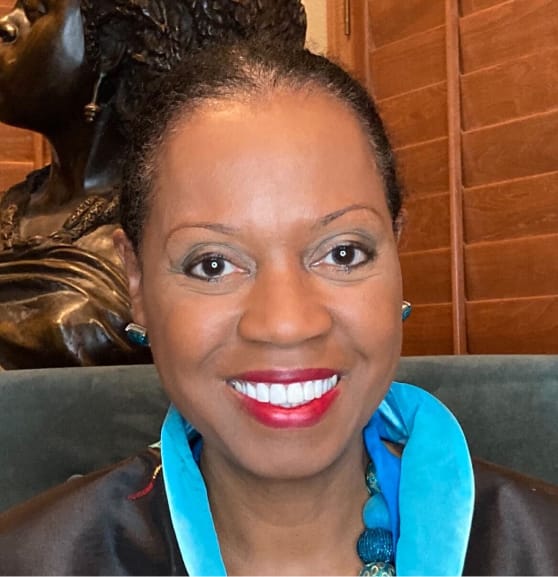
"As with many eating disorders or disordered eating behaviors there are many factors contributing to the behaviors. With orthorexia, the focus on "clean eating" needs to be explored and understood as its rigidity and impact in one's daily life is often ultimately not about food but about underlying concerns that are being managed through the food behaviors. Being able to discuss this with a mental health professional and begin to understand the underlying concerns can help loosen the hold of the food behaviors."
- Talkspace therapist, Jill Daino, LCSW-R
What are the Key Signs and Symptoms of Orthorexia Nervosa?
The signs of orthorexia can develop gradually and exist on a spectrum, from subtle habits to patterns that significantly disrupt daily life.
Early signs of orthorexia
- Increasing concern about food quality or “purity”
- Spending more time researching or planning meals
- Feeling uneasy eating food prepared by others
Advanced signs of orthorexia
- Strict, inflexible food rules
- Avoiding social events involving food
- Significant distress when rules are broken
Behavioral signs
- Excessive time spent sourcing, preparing, or planning food
- Eliminating entire food groups without a medical reason
Psychological signs
- Anxiety, guilt, or shame related to eating
- Strong link between food choices and self-worth
Physical signs
- Nutritional imbalance despite “healthy” intentions
- Possible deficiencies from restrictive eating patterns
Self-check prompts
- Do food rules feel non-negotiable in daily life?
- Do you feel anxious when plans involve unfamiliar food?
- Does thinking about food take up a large part of your day?
- Have your eating habits affected your relationships?
- Are you worried about missing nutrients due to restrictions?
- Do food choices feel tied to your identity or values?
These reflective prompts are not a diagnostic tool. Only a qualified clinician can evaluate orthorexia nervosa. But these can help you notice patterns worth discussing with a healthcare provider. If several of these feel familiar, speaking with a qualified clinician can help clarify what’s going on.
Why Does Orthorexia Develop and Who is Most at Risk?
Orthorexia doesn’t have a single cause. Instead, it tends to develop through a combination of psychological traits, environmental influences, and cultural messaging.
Common contributing factors include:
- Perfectionism or a strong need for control
- Anxiety or obsessive thought patterns
- Exposure to rigid wellness or “clean eating” ideals
Online therapy for eating disorders
Build a healthier relationship with food with support from a licensed therapist.
Get startedA qualitative study published in Eating and Weight Disorders found that health professionals perceive social media and wellness culture as potential influences, though this is not established as a direct cause.
Certain groups may face a higher risk, including:
- Athletes or individuals in performance-focused environments
- Health professionals or nutrition-focused communities
- Adolescents and young adults
The lack of standardized diagnostic criteria makes it hard to pinpoint an exact figure, with estimates ranging from 6.9% up to 88.7%, according to a review in the International Journal of Environmental Research and Public Health (IJERPH).
How Can Orthorexia Affect Your Body and Mind?
Orthorexia doesn't only affect what ends up on the plate. It can affect both physical health and emotional well-being, sometimes in ways that aren’t immediately obvious.
Physical effects
- Nutritional deficiencies
- Electrolyte imbalances
- Reduced bone density over time
- Fatigue or low energy
How is Orthorexia Diagnosed and Assessed?
Orthorexia nervosa is not formally recognized in major diagnostic manuals, so assessment relies on clinical judgment and emerging frameworks.
Widely cited diagnostic criteria include:
- Obsessive focus on healthy eating
- Rigid, self-imposed dietary rules
- Emotional distress when rules are violated
- Impairment in daily functioning
Some clinicians use screening tools like the ORTO-15, but a 2024 meta-analysis published in the Journal of Eating Disorders found these tools have inconsistent reliability and should not be used alone for diagnosis. A comprehensive evaluation by a licensed clinician, often including medical, psychological, and nutritional assessment, is the most reliable way to understand whether support is needed.
If eating rules are causing you distress, nutritional compromise, or interference with your work or relationships, that's a signal to seek a qualified clinician's evaluation. The National Eating Disorders Association (NEDA) offers a screening tool and guidance on finding support.
What Treatment Options and Recovery Steps Can Help You Heal?
Treatment for orthorexia typically draws from evidence-based approaches used for eating disorders and anxiety-related conditions. A multidisciplinary care team might include a physician, a licensed therapist, and a registered dietitian, each addressing a different dimension of the condition.
Common therapeutic approaches include:
- Cognitive behavioral therapy (CBT)
- Exposure and response prevention (ERP)
- Nutritional counseling
- Medication, when clinically appropriate
For those also experiencing patterns of binge eating disorder alongside food rigidity, a comprehensive evaluation can clarify the full clinical picture.
Here's a general recovery framework to consider:
- Recognize patterns causing distress or restriction
- Consult a professional for evaluation
- Personalize treatment with a care team
- Access ongoing support, such as the NEDA helpline
Recovery is not about perfect eating. The goal is a life where food decisions don't crowd everything else out.
Get Support for Orthorexia With Talkspace
Recognizing that healthy eating has shifted into something more consuming is a crucial step, and you don't have to figure out the next one on your own. A licensed therapist can help you look at the patterns underneath rigid food rules and work through the distress they create.
Talkspace connects you with licensed therapists through message-based therapy, live video, and audio sessions, so care fits your schedule and your life. Whether you're just starting to wonder about your relationship with food or you've been carrying this quietly for a while, a Talkspace therapist can offer a thoughtful, confidential space to explore what's happening and what might help.
Visit Talkspace today and start building a healthier relationship with food and with yourself.
Frequently Asked Questions (FAQs)
Is orthorexia officially recognized as an eating disorder?
Orthorexia nervosa is not formally listed in the DSM-5-TR or ICD-11. Clinicians may conceptualize it within broader eating disorder frameworks, but it does not yet have an official standalone diagnostic category.
Can you have orthorexia without losing weight?
Yes, orthorexia is defined by behaviors and distress rather than body weight. A person can experience a nutritional imbalance without noticeable weight changes.
How do I talk to a friend who shows signs of orthorexia?
You can start by expressing concern for their well-being without judgment and asking how they’ve been feeling about their eating habits. Offer support and suggest connecting with a mental health professional or licensed psychiatrist who understands orthorexia.
What should I expect in therapy for orthorexia?
Therapy often focuses on reducing anxiety, increasing flexibility with food, and addressing underlying thought patterns. Treatment may involve a team of mental health and nutrition professionals.
.jpg)