


Understanding Hangxiety
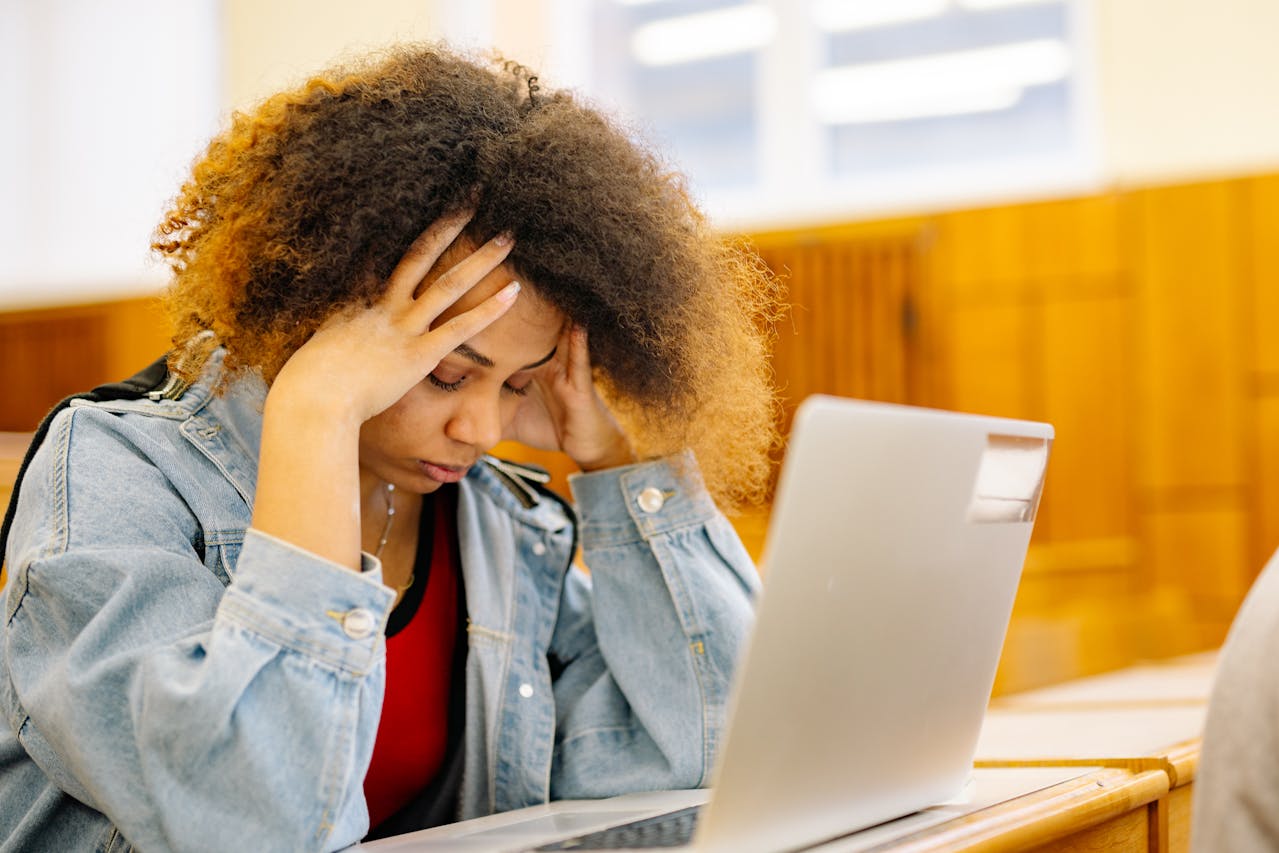
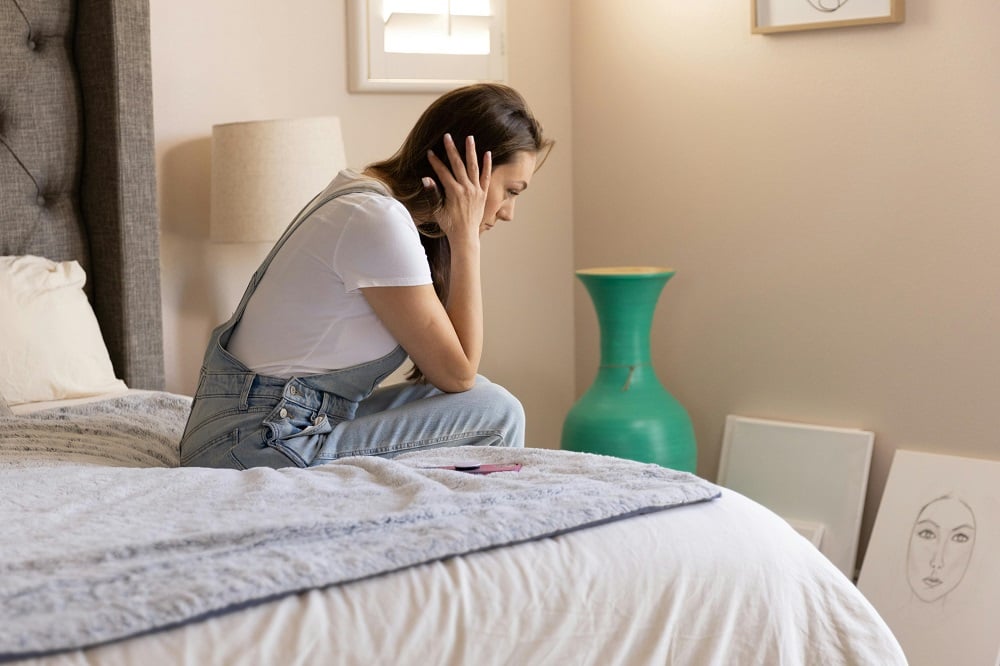
Hangxiety — a play on the words hangover and anxiety — is a crucial concept to understand if you feel alcohol is affecting your mental health. Hangxiety is the stress or anxiety you start feeling after you consume alcohol. For most people, the feeling comes on as the effects of intoxication begin to subside. So after a night of drinking, you might wake up with anxiety.
When you’re actively drinking, alcohol can temporarily reduce anxiety symptoms by depressing the central nervous system. Then, as your body metabolizes the alcohol and the effects of heavy drinking wear off, you can experience what’s called a rebound effect. This is when stress hormones actually increase, resulting in heightened anxiety.
Post-drinking anxiety can vary in intensity. Sometimes, it’s mild, and other times, it can culminate in severe panic attacks. Several factors can influence the severity of drinking-related anxiety, including the amount of alcohol consumed, individual susceptibility, and overall mental health or comorbid conditions.
Why Does Alcohol Cause Anxiety?
Understanding how alcohol consumption can become an anxiety trigger helps in managing its impact better. Research shows that chronic alcohol use alters how you respond to stress. It can replace a healthy, normal stress response with anxiety symptoms. Some experts believe this might be because alcohol affects the part of the brain that deals with negative emotion regulation.
There’s also a potential link between anxiety and alcohol dependence or addiction. Chronic stressors related to trauma might cause dysregulation in the brain. Yet other theories suggest the connection might have to do with things like:
- Neurotransmitter imbalance
- Disruption of brain chemistry
- Impact on the central nervous system
- Withdrawal symptoms
- Hormonal effects
- Sleep disturbances
- Psychological dependence
- Impact life circumstances
- Worsening of existing mental health conditions
Neurotransmitter imbalance
When we drink alcohol, neurotransmitter levels in the brain change. Serotonin and dopamine are responsible for mood, and studies show that alcohol initially boosts these levels to create a sense of euphoria — but once it’s metabolized, neurotransmitter levels drop, and it can lead to anxiety or mood swings.
Disruption of brain chemistry
Alcohol consumption, especially if it’s chronic, can disrupt the brain’s chemistry. The imbalance might cause some people’s brains to enter an overstimulated state as they try to compensate for the depressive effects alcohol causes. The result can be increased agitation, felt by anxiety.
Impact on the central nervous system
Alcohol is a known depressant. The effects on the central nervous system can slow down the brain, temporarily reducing anxiety. As the alcohol wears off, though, the nervous system can go into a hyperactive state, increasing anxiety.
Withdrawal symptoms
Even after moderate drinking, withdrawal symptoms can occur as the effects of alcohol wear off. Symptoms of alcohol withdrawal can include restlessness, irritability, and anxiety — all of which are just the body trying to adjust to no longer having alcohol’s sedative effect in its system.
Sleep disturbances
Many people experience sleep disturbances after a night of heavy drinking. Alcohol can cause anxiety simply by disrupting sleep cycles. Without restful sleep, you might experience exacerbated anxiety levels, which can quickly become a vicious cycle of anxiety where poor sleep perpetuates anxiety and vice versa.
Psychological dependence
Regular or overuse of alcohol can result in psychological dependence. Some people might come to feel they need alcohol to be able to relax or cope with stress in their lives. The effects of substance abuse can cause increased anxiety, especially if alcohol is suddenly unavailable or if the intake amount is drastically reduced.
Online therapy for anxiety
Get support for anxiety, and achieve a calmer mindset with therapy covered by most insurance plans.
Get startedImpact on life circumstances
Alcohol use can negatively impact many aspects of life. It can cause problems in personal and professional relationships and can even lead to financial instability over time. Any of these substance abuse stressors can contribute to anxiety.
Exacerbation of existing mental health issues
People with comorbid or pre-existing mental health conditions like social anxiety disorder or generalized anxiety disorder might find that alcohol worsens their symptoms. While in the moment, alcohol might seem to mask issues, but often, the rebound effect will intensify anxiety in the end.
"Anxiety or other mental health conditions can pre exist, but they are exacerbated when drinking due to the changes of serotonin and other neurotransmitters. It is also common to experience even higher anxiety after the alcohol wears off."
— Cynthia V. Catchings, LCSW-S
How to Manage Alcohol-Induced Anxiety
If you experience alcohol-induced anxiety, it is possible to manage it. Reducing consumption, seeking professional help, making lifestyle changes, and learning to use coping strategies are all effective ways to limit the impact on your anxiety levels.
Regular physical activity, mindfulness, and a supportive social network can also be beneficial. In extreme cases, it might be wise to consult a healthcare provider for intervention — they can determine whether therapy or medication might be appropriate for anxiety treatment options.
Monitor and moderate alcohol intake
If you find that you regularly experience anxiety after drinking, start keeping track of your alcohol consumption to see if you can spot any trends related to stress. Setting limits might help you prevent anxiety when you drink. You can also gradually reduce your intake to minimize withdrawal symptoms.
Seek professional counseling
Professional mental health treatment through counseling or therapy for anxiety can provide personalized, dedicated attention and strategies to help you manage anxiety. It’s also a place to start addressing underlying issues that may be related to alcohol use.
Participate in support groups
Support groups are a community of people who face similar challenges. They can be impactful by creating a safe space to share experiences with others who understand what you’re going through.
Explore alternative coping strategies
Natural remedies for anxiety — like hobbies, relaxation techniques, or being creative — can be very effective coping strategies that help you reduce reliance on alcohol.
"A tip if you use alcohol to cope or ease yourself into social situations is to observe how you act when you are starting to drink. Although it can be challenging, you can behave the same without drinking. Remind yourself that you have done it before, after a drink or two and how it helped you. That is you without overthinking."
— Cynthia V. Catchings, LCSW-S
Engage in regular physical activity
Physical activity releases endorphins, which are known to improve mood and reduce anxiety. Working out doesn’t have to be super intense to have a positive effect on anxiety, either. Walking, running, yoga, or even swimming can be healthy outlets that combat anxiety and offer stress relief.
Practice mindfulness and relaxation techniques
Mindfulness and relaxation techniques, like meditation or deep breathing exercises for anxiety, are effective ways to manage and reduce symptoms. Regular practice can help you create and remain in a calm state of mind.
Maintain a healthy sleep schedule
Sleep is critical to positive mental health. Keeping a consistent sleep schedule and prioritizing good sleep hygiene can help reduce your anxiety while improving overall well-being.
Use medication under doctor's supervision
Some medications can be an effective option for treating anxiety from drinking or anxiety that causes you to drink. Always use anxiety medication exactly as prescribed and under the supervision of your healthcare provider — especially if you’re dealing with alcohol abuse.
Overcome Feelings of Anxiety with Professional Support
Overcoming feelings of anxiety is possible, but sometimes, you need professional support to do it. Seeking guidance from a licensed mental health professional can be crucial to reducing alcohol-induced anxiety.
Talkspace can give you access to expert help in a convenient, safe, and accessible setting. The first step toward getting help can be transformative — it can set the stage for your path to a healthier, anxiety-free life. Start online treatment for anxiety with Talkspace today.