


Is Depression Common Among Nurses?
Depression is alarmingly high among nurses. Recent studies reveal just how widespread the issue has become.
A 2023 study found that nurses experience “problematic” rates of depression. Other research offers evidence that increased rates of depression among healthcare workers are impacting the quality of care and productivity. There’s a strong correlation between nursing and depression. High patient loads, long working hours, lack of support, and the emotional aspect of caring for critically ill patients are just some factors of occupational stress that so many nurses struggle with, which often can lead to depression and anxiety symptoms.
Contributing Factors to Depression in Nurses
Several factors contribute to skyrocketing rates of depression in the field of nursing. Understanding more about each is critical to overcoming depressive symptoms.
Work environment stressors
The demanding environments of a nursing job can be a significant contributor to depression. Long hours — often extending beyond 12-hour shifts — leave little room for rest and recovery. Hospital nurses frequently have high patient loads and juggle multiple responsibilities requiring immediate attention and critical decision-making. The job is full of pressure that can lead to chronic stress and exacerbate mental health issues like depression.
Emotional labor & compassion fatigue
Nurses are expected to provide physical care and emotional support to patients and their families. The intense emotional labor, combined with constantly dealing with sickness or dying patients, can take a severe toll on mental health.
Sustained emotional labor can lead to compassion fatigue and burnout — a state of emotional exhaustion that occurs after exposure to extended periods of suffering. Compassion fatigue can diminish the ability to connect with patients and lead to feelings of helplessness, hopelessness, and, eventually, depression.
"On the frontlines, nurses are the first to meet patients and family, while being both tasked with managing doctors’ orders and managing the mood of an environment before any procedure, big or small. That persistent push-pull effect can cause a cumulative drain on the psyche. Like therapists, nurses need mental health first aid often and should pursue positive experiences outside of work, in order to stay healthy."
— Elizabeth Keohan, LCSW-C, MSW
Lack of support
Despite the increasingly high demands placed on nurses, many healthcare institutions fall short of providing adequate and appropriate mental health support. Nurses face barriers to accessing therapy and counseling services or other mental health resources. This can be due to stigma, lack of time, insufficient institutional support, unaffordability, or other reasons.
Much of the time, available resources aren’t tailored to the unique challenges nurses face, like unusual schedules, making it difficult for them to access care. Lack of support can leave you feeling alone, trying to cope with your mental health struggles and increasing the risk of depression and other mental health conditions.
How to Recognize Nurse Depression
Learning to recognize nurse depression is vital for early intervention and support. Symptoms can vary, but there are common signs that can indicate you might be struggling.
Depression symptoms in nurses can include:
- Persistent sadness: Nurses who are depressed might be in a constant state of sadness or experience emptiness or hopelessness that doesn’t go away.
- Fatigue: Depression can cause fatigue that doesn’t get better, even with rest.
- Changes and sleep patterns: Insomnia, difficulty falling or staying asleep, or hypersomnia — excessive sleep — can all be signs of depression in nurses.
- Loss of interest or pleasure in things once enjoyed: A noticeable decrease in interest in once-enjoyable activities — like hobbies or social interactions — is a hallmark symptom of depression.
- Difficulty concentrating: Depression can impair the ability to focus or make decisions, which can be especially concerning given the need for nurses to have sharp mental acuity.
- Changes in appetite or weight: Significant weight loss or gain is common with depression.
- Feeling guilt or worthlessness: Some nurses may experience excessive feelings of guilt or worthlessness as a result of their depression.
In addition to the above symptoms, there are behavioral changes to be aware of, too.
- Withdrawal from colleagues: Depressed nurses who were once social might start to withdraw from interactions, prefer to work alone, or avoid social situations altogether.
- Decreased job performance: A decline in job performance can cause more errors, a slower work pace, or difficulty completing tasks — all of which can be red flags for depression.
- Increased irritability or mood swings: Nurses who are depressed might start exhibiting uncharacteristic irritability, anger, or rapid mood swings.
- Neglecting personal appearance: When nurses struggle with depression, low energy sometimes causes them to neglect personal grooming or hygiene.
The Impact of Depression in Nurses
The impact of depression on nurses cannot be understated. It can cause everything from emotional exhaustion and burnout to decreased quality of care.
Emotional exhaustion and burnout
Depression can lead to nurse burnout which occurs when the emotional demands of nursing become too overwhelming. It might leave nurses feeling drained, unattached, and unable to cope, especially after traumatic events like losing a patient. A constant state of emotional depletion can impact job performance and make empathy or compassion difficult.
Online therapy for depression
You don't have to deal with depression alone. Get an appointment from home within a few days.
Get startedImpaired concentration and decision making
Some of the most concerning aspects of nurse depression are that it can impair concentration, cloud judgment, and slow cognitive processes, which can make it hard to focus on tasks. In a profession where decision-making is so vital, this can potentially lead to errors that affect patient safety.
Quality of patient care
Nurses who are depressed might struggle to offer the high standard of care that’s required of them. A decrease in attentiveness to a patient's needs and delayed responses to medical concerns can negatively impact patients’ overall experience and outcomes.
Decreased job satisfaction
Depression can diminish job satisfaction when feelings of hopelessness, guilt, and inadequacy make it difficult for you to do the job. Tasks that were once rewarding might begin to feel burdensome.
Increased physical symptoms
Unfortunately, depression impacts more than just mental health. It can manifest through physical symptoms like headaches, muscle pain, gastrointestinal issues, and other stress-related ailments. Symptoms like these can impair the ability to perform duties effectively and lead to increased absenteeism.
Isolation from colleagues
When nurses struggle with depression, they might start to isolate themselves from colleagues, friends, and family. Withdrawing from support systems is concerning, though, especially given the high-stress environment they’re in. Isolation can exacerbate feelings of loneliness and deepen depression.
How to Deal with Depression as a Nurse
Dealing with depression as a nurse can be incredibly challenging. While your job may be demanding, taking proactive steps toward recovery will help you feel better and regain a sense of balance in your life. Prioritizing your mental health is essential for your well-being and overall happiness.
The following tips can help you cope with depression and the complexities of your work environment in healthy ways.
Take care of yourself
Self-care is the foundation of managing depression. As a nurse, you prioritize other people’s needs constantly, but you must make time for your own needs and well-being. Self-care for nurses might look like:
- Getting enough sleep
- Practicing deep breathing
- Meditating
- Eating a balanced diet
- Exercising regularly
- Taking time to relax
- Doing things you enjoy
Seek professional help
Sometimes, symptoms of depression can only be relieved by seeking professional help. Therapy and counseling can give you the tools you need to effectively manage symptoms and address underlying issues that might be adding to your depression.
A qualified mental health professional can provide strategies, tailored to your unique situation, so you can develop effective coping mechanisms.
Lean on colleagues and loved ones
Colleagues and loved ones are valuable resources when dealing with depression. Lean on these people and share your experiences and feelings. It will help you feel less isolated and able to endure these challenging times. Building and maintaining strong connections with others can be crucial to combating the loneliness and isolation that often come with depression.
Establish boundaries to balance work and personal life
Boundaries are critical when dealing with depression. Establishing clear limits between your work and professional personal life is essential to preventing burnout. Make sure you have enough time for individual needs and activities that bring you joy. Practice saying no to extra shifts and delegate tasks when you need to.
Utilize positive affirmations to reinforce self-worth
Positive affirmations are powerful tools proven to reinforce your sense of self-worth and combat negative thoughts that are common in depression. Regularly remind yourself of your strengths, accomplishments, and the impact you have on your patients. Practice by repeating affirmations like I am making a difference. I am capable and strong. Simple statements like these can boost your self-esteem and give you a positive mindset.
"Feeling valued is critical to maintaining dignity and integrity while working, but we don’t always have to look externally to find that appraisal. Adapting a practice of positive self talk can self encourage an invigorated approach to work. Saying, practicing, and applying what we want to feel can be the key to manifesting the emotional lift that we sometimes need."
— Elizabeth Keohan, LCSW-C, MSW
Engage in passions outside of work
Because nursing is such a demanding profession, finding activities and passions outside your job is essential. Whether it’s a hobby, sport, or creative outlet, dedicating time to things you enjoy can give you a sense of fulfillment and purpose beyond your job.
Stay connected to your purpose
To stay connected to your purpose, think back to why you became a nurse in the first place. Reflecting on your impact on people can be uplifting, especially in difficult times. Having a sense of purpose can help you maintain motivation and combat feelings of depression.
Communicate with your employer
Open communication with employers about mental health is vital for creating a supportive work environment. If you’re struggling with depression, discussing your situation might help. Advocating for your needs can lead to a more accommodating and productive work environment and make it easier for you (and others) to balance responsibilities while addressing mental health.
Talkspace: A Safe Space for Mental Health Support
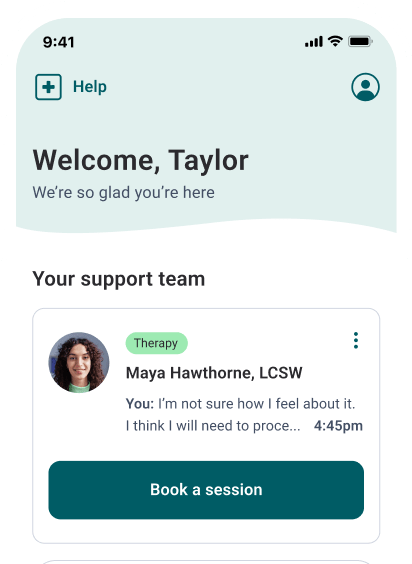
Navigating the challenges of depression and nursing can be incredibly daunting, but you don’t have to do it alone. Talkspace is an online therapy platform that offers a safe, accessible, and confidential way to get mental health support.
Talkspace connects you with experienced licensed therapists and mental health professionals who understand the unique pressures of your profession. Whether you’re struggling with emotional exhaustion, need help establishing boundaries, or just want someone to talk to, Talkspace can support you.
Get online treatment for depression from Talkspace today.