
Key Takeaways
- Historical trauma from colonization, forced relocation, and cultural suppression creates lasting mental health challenges across Native American communities.
- Native American mental health services must integrate traditional healing practices with modern therapy to honor cultural values and improve outcomes.
- Culturally competent care that respects indigenous wisdom can help overcome barriers like geographic isolation, mistrust, and stigma.
Native American mental health can't be viewed separately from culture, family, spirituality, or community. Your sense of well-being may be shaped by traditions, ancestral knowledge, and connections that have been passed down through generations. At the same time, many communities continue to feel the lasting effects of historical trauma, making culturally informed support especially important.
It's also important to recognize that Native American nations are not a single group. Each tribe has its own history, language, customs, and approaches to healing, which can influence how mental health challenges are understood and addressed. Recognizing these differences helps create more respectful and effective paths to care.
Today, many indigenous people are finding strength in approaches that combine traditional healing practices with modern mental health treatment. When care honors both cultural identity and emotional well-being, it can support healing in a way that feels more personal, meaningful, and empowering.
What Historical Factors Shape Native American Mental Health?
Many Native American mental health challenges can be traced back to generations of colonization, forced relocation, and cultural suppression. These experiences disrupted families, communities, and cultural traditions, creating lasting effects that continue to influence mental health today.
Policies that removed Native Americans from their ancestral lands often separated communities from important cultural and spiritual practices. Boarding schools forced many children away from their families and prohibited the use of Native languages and traditions. Over time, these experiences contributed to intergenerational trauma that continues to affect individuals, families, and tribal nations.
Understanding this history is important because it provides context for many of the Native American mental health issues communities face today, while also highlighting the strength, resilience, and cultural knowledge that continue to support healing.
Legacy trauma: Mental health ripple effects
The systematic attempts to erase Indigenous cultures left deep psychological wounds that continue to affect Native American communities today. Research in StatPearls Publishing has linked historical trauma to higher rates of depression, anxiety, post-traumatic stress disorder (PTSD), suicide risk, and substance use challenges compared to the general population.
Research in World Psychiatry also suggests that trauma may affect future generations through biological and environmental pathways, including epigenetic changes. While historical trauma remains a significant challenge, cultural identity and community connection continue to serve as powerful sources of healing and resilience.
“The need for cultural awareness for the Native American Community is very important. Seeking help outside of the Native American culture is not popular and may not be the first choice. Although there are many Native American nations throughout the United States with different traditions and languages, seeking mental health services with a non-tribal member can be a struggle for most. Trusting and finding rapport with those that have a knowledge of tribal beliefs, and their ancestral heritage are the best supports for the Native American community.”
– Talkspace therapist, Dr. Karmen Smith LCSW DD
Cultural identity as a healing cornerstone
Cultural identity isn't just part of healing. It's often the foundation of it. Connections to language, traditions, spirituality, family, and ancestral knowledge can strengthen resilience and support mental well-being.
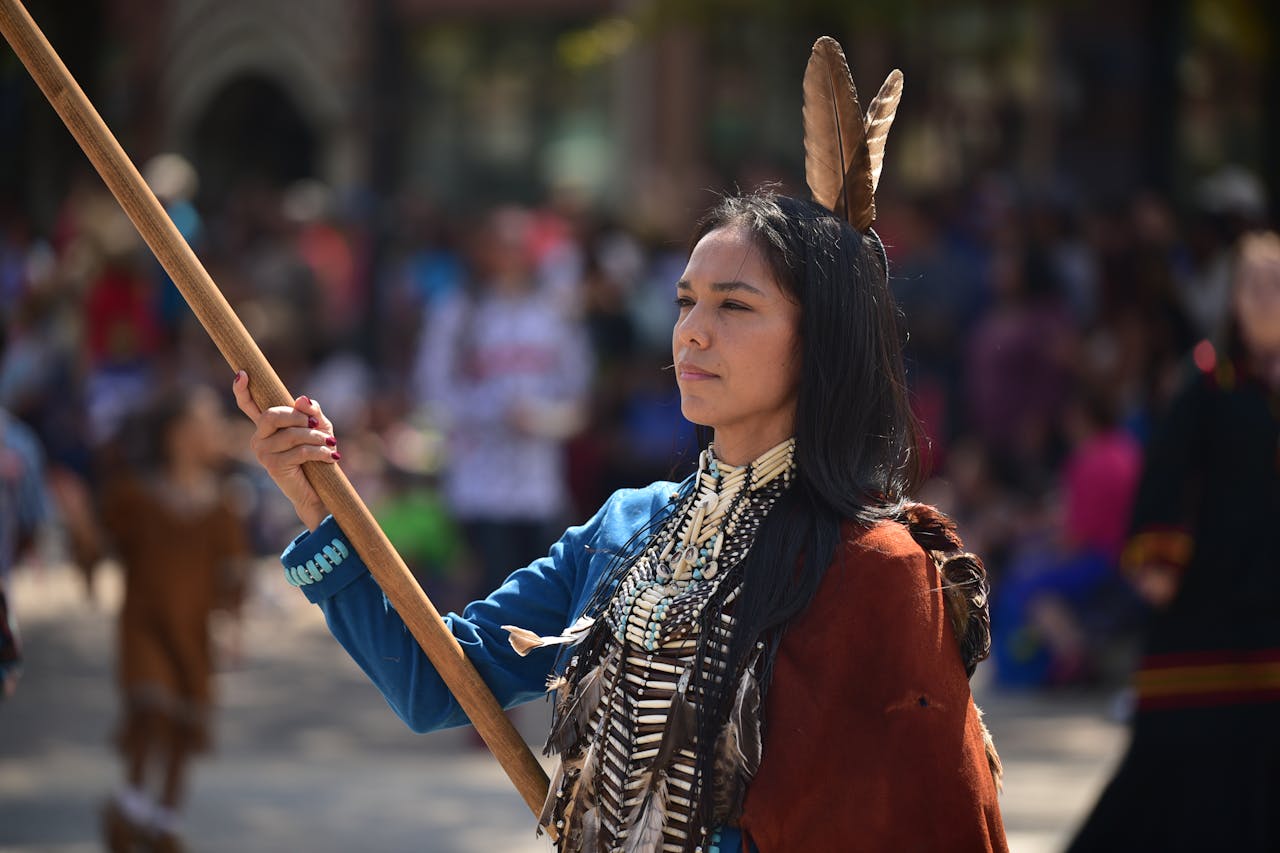
For example, some members of the Navajo Nation participate in traditional song ceremonies that promote harmony and balance, while Lakota communities may participate in Inípi (sweat lodge) ceremonies as part of spiritual renewal. These practices help reinforce cultural identity, create a sense of belonging, and support healing in meaningful ways. At the same time, Native communities continue to navigate modern challenges that can affect mental health and access to care.
Mental Health Challenges in Native American Communities
While Native American mental health challenges are largely rooted in their historical trauma, present-day issues are further compounding issues like increased violence, PTSD, risk of suicide, drug and alcohol abuse, and more. Yet, despite a clear need for support, many barriers still exist for Native Americans trying to access critical services. Geographic isolation, cultural stigma, and healthcare disparities all create obstacles that can make it difficult to find help that will improve mental health care outcomes.
Common mental health issues across nations
Depression, anxiety, PTSD, risk of suicide, increased violence, and substance abuse are all prevalent across different communities. A study in Journal of Psychiatric Research shows that suicide rates for Native American populations are up to 50% higher than those of other populations. Research from the IHS suggests that the rate of suicide is higher for this population than for any other minority group.
Licensed Therapists Online
Need convenient mental health support? Talkspace will match you with a licensed therapist within days.
Start therapyThe aforementioned StatPearls research shows us that everything from anxiety to depression to substance abuse to PTSD is disproportionately higher in Native American populations, and this is especially true when we look at the Native American youth. This knowledge highlights the urgent need for comprehensive, accessible, affordable mental healthcare throughout these communities.
Barriers to accessing mental health services
Despite a clear need for mental health services, many Native American people today have barriers to care, including:
- Geographic isolation: Many tribal communities are in rural or remote areas with limited access to healthcare facilities and infrastructure.
- Shortage of culturally competent providers: Few mental health professionals have training in culturally sensitive care for Native American communities.
- Historical mistrust: A deep-rooted mistrust of the healthcare system, stemming from historical mistreatment and discrimination, often prevents individuals from seeking help.
- Stigma around therapy: Combined with mistrust, the stigma around therapy and seeking mental health support can discourage individuals from pursuing assistance.
"Creating a culturally sensitive environment for those of Native American Heritage starts with having them represented as therapists. Having a diverse staff and actively recruiting those from tribal backgrounds is far superior to offering training on the ancestral trauma and pain that is passed down through epigenetics, although that is a good training to have. The trauma that the Native Americans have experienced in the past continues today, but as a strong proud people, they remind us of their resilience."
– Talkspace therapist, Dr. Karmen Smith LCSW DD
How Do Traditional Healing Practices Support Recovery?
Traditional healing practices can support recovery by strengthening cultural identity, fostering community connection, and creating a sense of balance between emotional, physical, spiritual, and social well-being. For several Native American communities, healing is viewed as a collective process that extends beyond treating symptoms alone.
These practices can help people reconnect with traditions, values, and support systems that promote resilience during difficult times. They may also provide opportunities for reflection, belonging, and spiritual growth. Increasingly, Native American mental health services recognize the value of integrating traditional healing approaches with evidence-based therapy, allowing individuals to receive care that respects both cultural traditions and personal mental health needs.
Role of traditional healers and elders
Traditional healers, medicine practitioners, and tribal elders are widely trusted sources of guidance and support within Native communities. Their guidance is rooted in cultural traditions, spiritual practices, community relationships, and lived experience.
Because these relationships are built on trust and shared understanding, many people feel comfortable seeking support from traditional healers before accessing formal mental health services. When traditional healers and mental health providers collaborate, they can create care that honors cultural values while also incorporating evidence-based treatment approaches.
Ceremonial practices and their healing power
Ceremonial practices have long been vital to spiritual healing in Native American communities. They can offer time and space for personal reflection and healing for those struggling with mental health. They also promote shared resilience throughout Native nations. Some common ceremonies include:
- Sweat lodges: A purification ritual used for physical and emotional renewal, where sitting in a steam-filled lodge is believed to cleanse both body and spirit.
- Talking circles: A supportive gathering where participants sit in a circle, sharing thoughts and emotions openly in a safe environment.
- Smudging: A ritual that involves burning sacred herbs like sage or sweetgrass to cleanse negative energy and promote peace and mental clarity.
Indigenous approaches to mindfulness and meditation
While mindfulness and meditation are more widely practiced in modern society, they've always been important for the mental health of Indigenous people who seek a connection between mindfulness and nature. Meditation promotes mental clarity and strategically reduces stress, making it an ideal tool for anyone with a mental health condition. The Lakota and other nations use their connection to landforms and prayer as a foundation for mental well-being. Their practice revolves around remembering their place in the universe and the feeling connected to their ancestors.
Moving Forward: The Role of Culturally Competent Care
Seeking culturally responsive mental health care can play an important role in healing. For many Native American individuals, feeling understood and respected by a mental health professional helps build trust and creates a stronger foundation for treatment. Providers who recognize the impact of historical trauma, cultural identity, community values, and Indigenous perspectives on wellness are often better equipped to offer meaningful support.
Culturally competent care doesn't require choosing between traditional healing practices and modern mental health treatment. Many people find that combining these approaches allows them to address emotional, spiritual, and community needs in ways that feel authentic and effective.
Access remains a challenge for many minority communities, like Asian American and Native communities, particularly in rural and underserved areas. Expanding access to culturally responsive providers through community programs, tribal health services, and virtual care options can help reduce barriers and connect more people with the support they need.
Integrating Culture, Care, and Healing with Talkspace
Barriers such as geographic isolation, provider shortages, and historical mistrust can make it difficult to access consistent mental health care. Online therapy can help address some of these challenges by making it easier to connect with a licensed therapist from anywhere.
If you're looking for support with trauma, anxiety, depression, or other mental health concerns, online therapy at Talkspace offers flexible, accessible care that can complement traditional healing practices and honor your cultural values. The right support can help you build on the resilience, community connections, and healing traditions that already exist within your life.
Frequently Asked Questions (FAQs)
What are the biggest Native American mental health challenges today?
The biggest Native American mental health issues include depression, anxiety, PTSD, and suicide risk at rates higher than other populations. Historical trauma, geographic isolation, limited access to culturally competent care, and systemic healthcare disparities contribute to these challenges.
How does historical trauma affect Native American mental health?
Historical trauma, which stems from colonization, forced displacement, cultural suppression, and systemic violence, can contribute to higher rates of depression, anxiety, substance use disorders, and PTSD among Native American communities. Its effects are often intergenerational and are shaped by disrupted family systems, loss of cultural continuity, and ongoing structural inequities that reinforce stress and limit access to care.
What are Native American mental health services?
Native American mental health services are culturally informed care programs that support emotional and psychological well-being in Indigenous communities. They are offered through tribal health systems, the Indian Health Service, and Native-led clinics, often combining counseling and substance use treatment with traditional healing practices.
How do traditional practices support Native American mental health?
Traditional practices like ceremonial rituals, guidance from elders, smudging, and connection to ancestral lands provide culturally meaningful pathways to healing. These practices address the body, spirit, and mind holistically, reinforcing cultural identity while supporting mental well-being in ways that resonate with Indigenous values.
Can online therapy help with Native American mental health concerns?
Yes, online therapy can help overcome geographic isolation barriers common in tribal communities. It provides access to culturally competent therapists who understand historical trauma and Indigenous healing traditions. Virtual platforms offer flexible, accessible mental health support that can complement traditional healing practices.
Sources
- Kwon SC, Kabir R, Saadabadi A. Mental health challenges in caring for American Indians and Alaska natives. StatPearls – NCBI Bookshelf. February 12, 2024. https://www.ncbi.nlm.nih.gov/books/NBK570587. Accessed October 14, 2024.
- Yehuda R, Lehrner A. Intergenerational transmission of trauma effects: putative role of epigenetic mechanisms. World Psychiatry. 2018;17(3):243-257. doi:10.1002/wps.20568. Accessed June 16, 2026.
- Ehlers CL, Yehuda R, Gilder DA, Bernert R, Karriker-Jaffe KJ. Trauma, historical trauma, PTSD and suicide in an American Indian community sample. Journal of Psychiatric Research. 2022;156:214-220. doi:10.1016/j.jpsychires.2022.10.012. https://pmc.ncbi.nlm.nih.gov/articles/PMC9842016/. Accessed October 14, 2024.
- Behavioral Health | Fact sheets. Newsroom. https://www.ihs.gov/newsroom/factsheets/behavioralhealth/. Accessed October 14, 2024.
Talkspace articles are written by experienced mental health-wellness contributors; they are grounded in scientific research and evidence-based practices. Articles are extensively reviewed by our team of clinical experts (therapists and psychiatrists of various specialties) to ensure content is accurate and on par with current industry standards.
Our goal at Talkspace is to provide the most up-to-date, valuable, and objective information on mental health-related topics in order to help readers make informed decisions. Articles contain trusted third-party sources that are either directly linked to in the text or listed at the bottom to take readers directly to the source.