



Getting a Diagnosis
An accurate and timely diagnosis is vital with autism or social anxiety disorder. It also means getting earlier and usually more effective, treatment. Moreover, a diagnosis offers clarity on the specific challenges someone faces so they can be addressed through the best form or forms of intervention.
Diagnosing autism
Diagnosing autism spectrum disorder as early as possible is crucial. The earlier the intervention is implemented, the better the outcome. Developmental screening and an accurate autism diagnosis can make a huge difference in the overall quality of life and the ability to establish and maintain healthy, meaningful relationships.
Steps for getting an accurate ASD diagnosis include:
- Getting developmental screenings at recommended intervals
- Conducting comprehensive assessments
- Evaluating interaction patterns with peers and others
- Assessing social skills, repetitive behaviors, and breadth of interests
- Working with a care team of psychologists and developmental specialists, and, in cases of youth, a pediatrician
Connect with a Provider for an Evaluation
Getting a social anxiety or autism diagnosis can be overwhelming at first, but with the right team and support services in place, it’s very possible today to live a healthy and rewarding life.
One of the first steps to take if social anxiety disorder is suspected is to reach out for guidance. SAD is very treatable, and Talkspace has licensed mental healthcare professionals who can help you move forward.
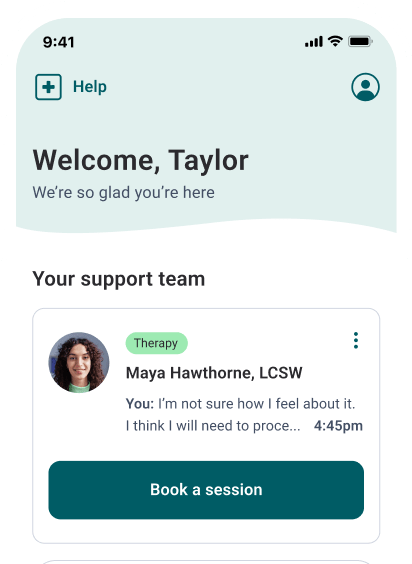
Talkspace makes therapy convenient, accessible, and affordable. Our online therapy sessions offer convenient scheduling that fits seamlessly into your busy life.
Connect with an online therapist at Talkspace today to get started with online treatment for social anxiety.




Social interaction challenges
Social interaction is challenging for people living with social anxiety disorder or autism, although the challenges manifest differently.
People with social anxiety have an intense fear of being humiliated or judged by others. This fear can cause severe anxiety and discomfort leading up to and during social gatherings. Most people who have social anxiety are very self-conscious and excessively worry about how others perceive them. This can extend to social anxiety at work, causing people with this condition to seek certain jobs for social anxiety to avoid interacting with people.
With autism, on the other hand, autistic traits such as not being able to pick up on social norms or individual cues can cause social difficulty and complicate interactions. This can be especially true if the other person isn’t aware that autism is the cause and, therefore, doesn’t understand the reasoning behind certain behaviors.
Autism can make initiating and maintaining conversations hard. Some autistic individuals don’t understand social boundaries or unwritten rules of social engagement.