


Symptoms of Post-Breakup Depression
There are dozens of symptoms of depression to be aware of. Some are normal when going through a breakup, but if you notice any of the following lasting longer than two weeks, increasing in severity, or starting to affect your daily life and relationships, it’s essential to seek help.
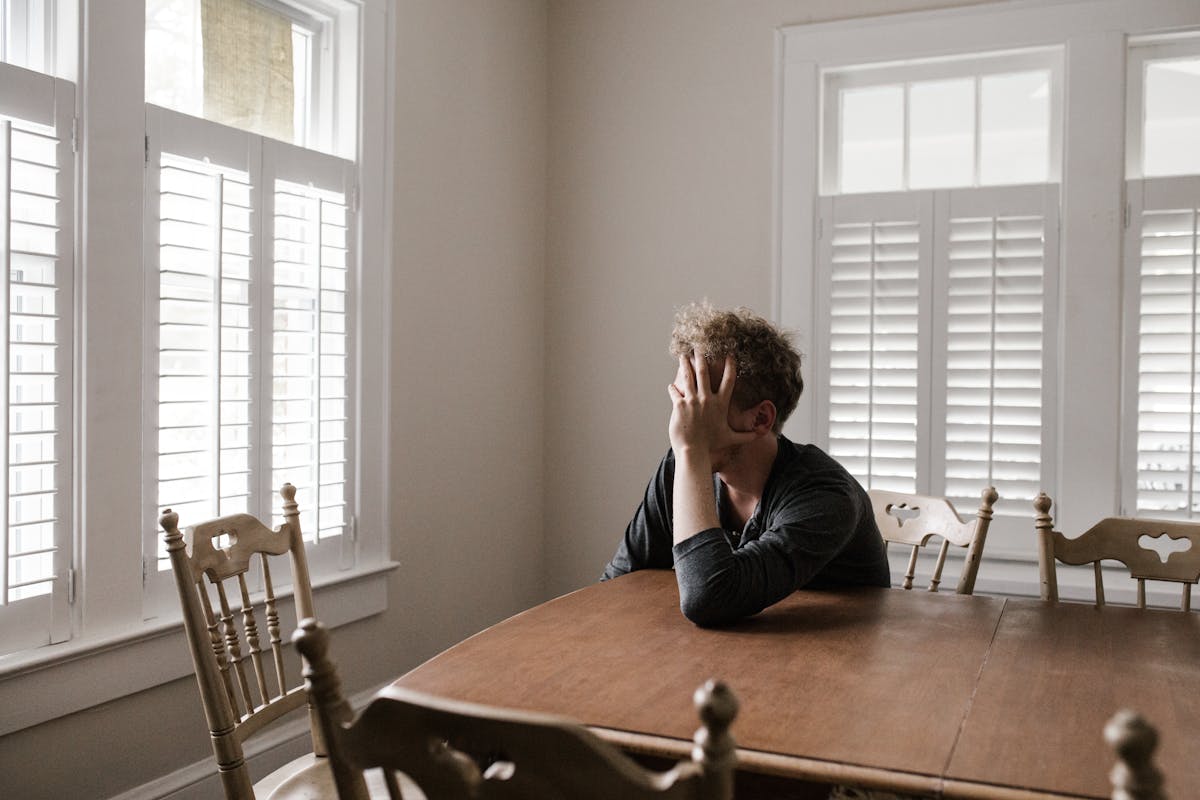
Extreme or excessive sadness
Excessive sadness may present as an overwhelming, persistent feeling of sorrow. It can prevent you from wanting to engage in life activities, keep you from interacting in social events with friends, colleagues, or family, and make simple things — like showering, getting dressed, or eating regularly — incredibly difficult. If you have a difficult time coping with sadness and it is causing you emotional distress, it may be time to speak with a mental health professional.
Lack of interest in hobbies or events
You might find things that were once enjoyable now seem dull or like a chore. This feeling can extend from hobbies to social activities and events.
Persistent feelings of worthlessness or guilt
After a relationship breakup, you may start engaging in negative self-talk or criticism or suddenly have pervasive feelings of inadequacy. Excessive guilt about why or how the relationship ended can also be a common symptom of depression after breakup.
Difficulty concentrating or making decisions
Being sad about a romantic relationship breakup makes focusing on or completing tasks challenging. Making even simple decisions can feel overwhelming, and you might become forgetful because your mind is foggy.
Changes in sleep patterns
A common symptom of post-breakup depression is a change in sleep habits. Whether it’s not getting enough sleep, getting too much sleep, or sleeping through the day, disruptive sleep patterns leave you feeling drained and vulnerable to depression.
Why You Feel Depressed After a Breakup
The emotional pain that often follows a romantic relationship breakup is daunting. While it can be normal to experience depression, understanding what causes depression after a breakup can help. Then, you can focus on developing a coping system to overcome your emotions, slowly resuming a healthy and happy life, and engaging again in positive, functioning relationships.
- Effects of love on the brain: Research by the American Psychological Association suggests that experiencing deep and meaningful love causes the brain to release chemicals like dopamine and oxytocin. These “feel good” hormones are critical for bonding with others and experiencing pleasure. When a relationship ends, especially if it’s abrupt, it can disrupt hormone levels, leading to emotional turmoil and pain that causes depression.
- The power of attachment: Attachment theory can come into play when discussing breakups. You’ll likely form a deep attachment to your romantic partner, not unlike children becoming attached to their caregivers. The bond offers comfort and security, so breaking it can cause intense feelings of loss and sadness that feel like grief and depression.
- Social impact: Sometimes, a broken heart has to do with the social implications of a breakup, too. Losing mutual friends or worrying about what a breakup means for your social circle may cause emotional stress that leads to depression.
- Personal history: Your past plays a part in how you’ll react to a breakup. If you’ve experienced loss or abandonment in life, especially during the formative years, a breakup might result in old wounds resurfacing that push you towards depressive symptoms.
Understanding depression vs. grief
While feeling sad or depressed after a breakup is entirely normal, understanding the difference between depression and grief is vital — these reactions require a unique approach toward healing.
- Grief: Emotional grief is an immediate reaction to loss. It’s characterized by deep sorrow but often will be followed by acceptance over time. When grieving the loss of a romantic relationship, you might cry uncontrollably one day but find joy in your favorite book or when spending time with someone you care about the next.
- Depression: Depression persists longer, and it often presents as hopelessness that dominates most — if not all — of your days. If you don’t enjoy things that once brought you happiness, or you notice a significant change in appetite or sleep patterns several weeks after your breakup, you might be experiencing more than just grief.
It’s important to note that grief and depression share symptoms like hopelessness, sadness, eating challenges, and difficulty sleeping. However, if any of the following are still occurring weeks or months after a breakup, or if they worsen over time, it can be a signal that something more than grief is going on:
- You have intense feelings of worthlessness even when you’re not thinking about your past relationship
- You constantly struggle with daily tasks
- Your energy levels are continuously low, even if you get enough sleep
- You have a flat mood, regardless of circumstances or surroundings
"Depression has a pervasive and persistent component that doesn’t seem to respond to environmental changes in the same way that grief does. For example, people who are depressed typically don’t feel less depressed if they develop a larger sense of community. Whereas grieving people get temporary relief by being around a larger sense of community."
— Meaghan Rice PsyD., LPC
Online therapy for depression
You don't have to deal with depression alone. Get an appointment from home within a few days.
Get startedHow to Cope with Depression After a Breakup
It can be hard to find motivation when you’re depressed. Fortunately, there are several coping techniques that you can use to deal with depression after a breakup.
Make your physical health a priority
While making your physical health a priority right now can be tough, it’s well-known that exercise releases endorphins that help you feel better. Protecting your emotional well-being can be critical to surviving your breakup. Even simple activities like walking or doing yoga can uplift your mood.
Ways to incorporate physical health into your days include:
- Spending time outdoors hiking
- Going for a bike ride
- Joining a gym and taking group classes
- Running
- Taking a barre ballet class
- Doing pilates
"Keep up with your hygiene routine- getting up, taking a shower, getting ready to go somewhere, putting on fresh clothes, and eating a well-balanced breakfast can go a long way in activating our purpose"
— Meaghan Rice PsyD., LPC
Practice self-care
Taking care of yourself when you’re feeling down and depressed can be a game-changer. Even doing simple things like showering daily, getting dressed, leaving the house, or making plans with a friend can do wonders for your mood and emotional well-being.
Practicing self-care can look like:
- Journaling for your mental health
- Reading a book
- Making plans with friends
- Eating well
- Creating a sleep schedule and sticking to it
- Starting therapy
"Take some mental health days to do things that are fun rather than burying ourselves in work or chores and responsibilities."
— Meaghan Rice PsyD., LPC
Protect your emotional self
Acknowledging that you’ve gone through a significant life event is important. Permit yourself to grieve over the loss, even if it’s something you initiated or wanted. Change can be hard, even when we know it is the right thing to do. Give yourself the time and space to let your emotions out freely.
How to support your emotional well-being
- Crying if you need to
- Being angry if you have resentment
- Writing a letter to express your emotions — even if you never plan to send it
- Journaling about your feelings
"Allow feelings to come without attaching to them. The quicker we acknowledge them, the quicker they pass."
— Meaghan Rice PsyD., LPC
Create boundaries
Setting boundaries with an ex can be taxing, but it’s often necessary while you heal from the relationship. If you’re feeling depressed about your breakup, setting clear boundaries means you’re protecting your own emotional space as you begin to move forward independently from your former partner.
Set limits and boundaries by:
- Cutting off communication, even if it’s only temporarily
- Telling your former partner what you need from them to heal
- Surrounding yourself only with people who support you and will lift you up
Cultivate and engage in supportive relationships
Some people in your life can be difficult, while others might be supportive and uplifting. Reach out to friends and family members who understand what you’re going through and are willing to support you .
Find support by:
- Joining support groups
- Starting online therapy
- Reaching out to friends and family who understand you
- Pushing pause on relationships with people who make you feel guilty or question your decisions
"Connect with other people that have gone through a recent breakup. Associating with other people in a happy, healthy relationship can trigger what we don’t have instead of offering support and validation."
— Meaghan Rice PsyD., LPC
Dedicate time for yourself
While feeling depressed after a breakup and loneliness can be intertwined, spending quality alone time — especially if you’re doing things that make you happy — might help you regain balance after an emotional upheaval.
Ways to make “me-time” a priority:
- Reading a book
- Cooking your favorite meal
- Taking a bath
- Listening to music
- Being creative — draw, paint, or write
- Sleeping
- Watching a movie