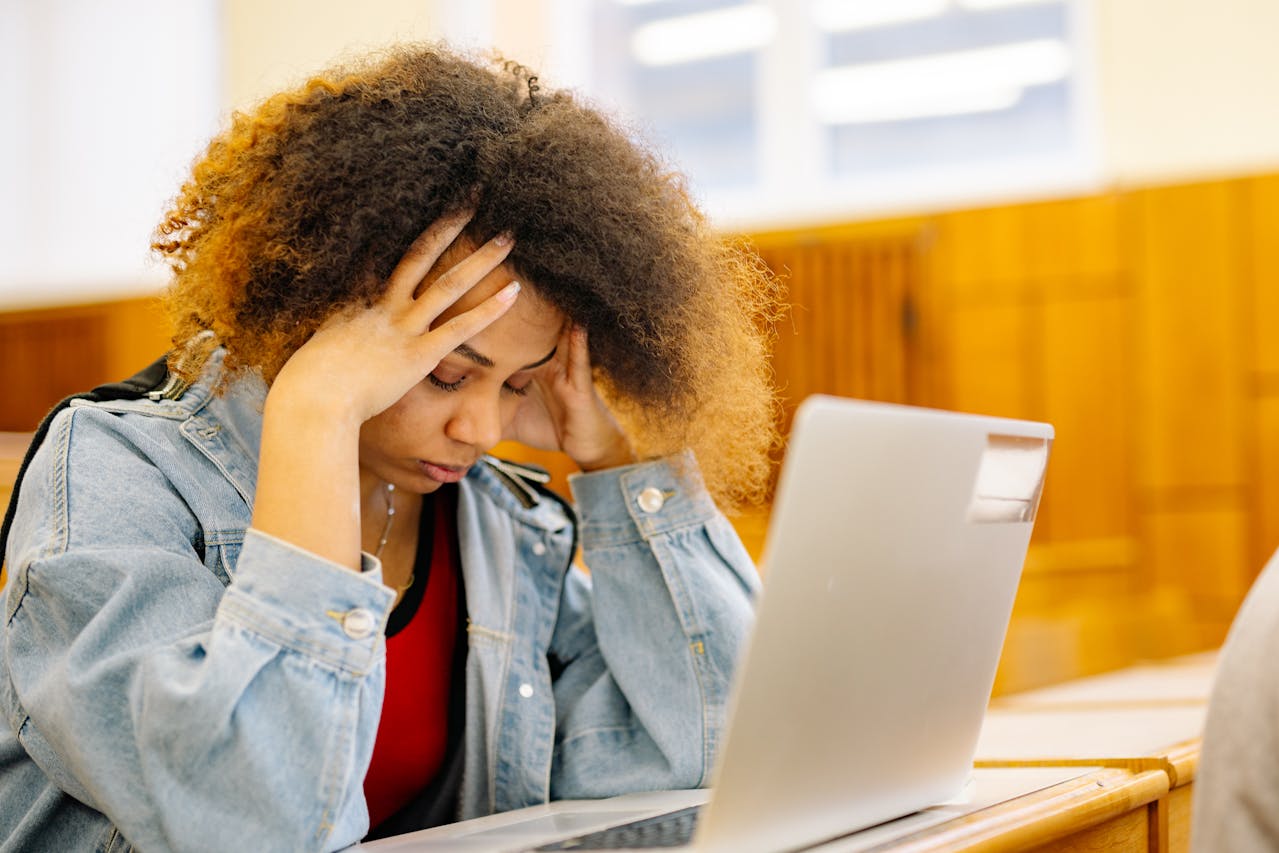


Anxiety ( generalized anxiety disorder) affects more than 18% of the population in the United States each year. That’s more than 40 million Americans who deal with a highly treatable mental health condition. However, many people go untreated, which can make your anxiety feel like it’s totally derailing your life. It can make simple tasks feel impossible, and relationships and normal daily routines feel downright daunting. It can even trigger a panic attack, which can feel just as debilitating.
There is good news, though. Beyond therapy and anti-anxiety medication, several natural remedies for anxiety relief have proven effective. As you explore these natural remedies to alleviate anxiety, be sure to consult with a licensed doctor or psychiatrist to find a holistic treatment that works for you.
Read on to learn about all the holistic remedies for anxiety and discover which natural remedy or herbal remedy you can utilize to bring peace and calm back into your life.
Please be aware: These holistic methods may not work the same way or be as effective as some more conventional methods of treatment. You should discuss any natural treatment you decide to try with your doctor or healthcare team. Sometimes natural methods can be most effective when coupled with more traditional forms of psychological treatment, like when used in combination with anxiety medication and/or talk therapy.
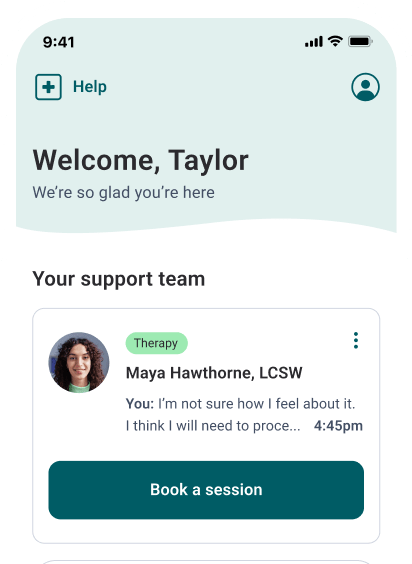
1. Seek Individual or Group Therapy
Therapy can help you manage anxiety by teaching coping strategies, improving emotional awareness, and addressing the root causes of anxious thoughts.
Individual therapy allows you to open up to a professional 1:1, learn more about your anxiety, and practice techniques that will help you cope. On the other hand group therapy can be really effective in treating anxiety since you’ll be with others who understand what you’re experiencing.
"Human beings were designed to be social and benefit from being in groups. Sharing anxiety-inducing events within a group provides comfort in the fact that you’re not going through it alone. There is a natural healing component in connection and shared experience."
— Dr. Karmen Smith, LCSW, DD
2. Get Enough Magnesium
Magnesium is a mineral that many Americans simply don’t get enough of naturally, despite the abundance of research out there showing it might be an effective natural treatment for anxiety.
Magnesium is found in foods such as:
- Almonds
- Black beans
- Cashews
- Dark chocolate
- Spinach
- Whole wheat
- Quinoa
Of course, you can always take a dietary supplement to get your daily dose of magnesium.* However, be sure to talk to your doctor before starting any new vitamins or supplements to ensure you’re getting the right dose and that nothing will interfere with any other prescription medication you’re currently taking.
3. Check Your Vitamin D Levels for Potential Deficiencies
Vitamin D is linked to levels of serotonin, the mood-boosting hormone that aids in focus and helps you feel calm. Some research has found a link between anxiety disorders, depression, and vitamin D deficiency.
It’s important that you speak with a therapist and primary doctor about getting lab tests done on your vitamin D levels. This can help determine if a deficiency is contributing to your anxiety symptoms. From there, you can determine next steps with a doctor to increase your vitamin D levels.
You can up your vitamin D levels by spending time outdoors in the sun, eating fatty fish, ensuring you get enough fortified foods, or taking a supplement.
* You should talk to your doctor before adding any vitamins for anxiety to your diet.
4. Increase Omega-3 Fatty Acids
Omega-3 fatty acids are incredibly beneficial to brain health. Unfortunately, it’s not something that your body can make. We get omega-3s through our diet. Some studies have shown that omega-3s found in fish oil can help to reduce anxiety.
5. B Vitamins Can Help
Vitamin B nutrients work together to offer several health benefits. B vitamins might prove beneficial in how to deal with anxiety because they help your body process stress response.
You can generally get ample B vitamins through your diet, but for some, like vegans or vegetarians, it can be tough to get enough solely through food. It can be worth seeking out a supplement*, though, since research has found that low levels of B12 might be linked to depression and anxiety.
6. Take L-theanine Supplements*
If you check the ingredients list of anti anxiety medication or herbal remedies, you’ll see some of them contain this amino acid. L-theanine can be found in black and green herbal tea and is an amino acid that some research shows might have an anti-anxiety effect.
7. Try CBD Oil
Don’t confuse CBD with THC (which is the mood-altering substance in marijuana). Without the THC component, CBD oil is a natural remedy that can be taken with little to no side effects that could prevent you from working, driving a car, or otherwise going about your day with the ability to function.
CBD could be beneficial in helping calm the nerves. It can help to think of CBD somewhat similarly to selective serotonin reuptake inhibitors (SSRIs), but it’s available without a prescription. Some studies and research have shown that CBD might be helpful in reducing anxiety symptoms.
8. Consider Complementary Therapy
Not all therapy is equal. While it’s true that talk therapy (also known as psychotherapy) can be hugely effective in treating anxiety, there are other alternative forms of therapy that can work to reduce anxiety as well. Some of the popular types of therapy for anxiety that many people have found success with include:
Acupuncture
The Eastern, ancient practice known as acupuncture has been considered an effective treatment for anxiety for thousands of years.
Animal therapy
Studies show a link between spending time with pets and reduced anxiety. If your anxiety levels get to the point that it starts impacting your daily life, consider getting a service animal trained to assist people with generalized anxiety disorder or chronic anxiety.
Aromatherapy
Some research shows that diffusing or wearing essential oils (like lavender essential oil or peppermint essential oil) known for their relaxing, calming properties is a natural treatment for anxiety.
Hypnotherapy
Hypnotherapy is thought to potentially reduce fear, stress, anxiety, and panic disorder.
Music therapy
In some studies, music has been found to help calm the mind and reduce overall symptoms of anxiety.
"Music may be one of the most common forms of treatment for anxiety. Music can change your mood by shifting attention to lyrics while experiencing a different frequency and vibration."
— Dr. Karmen Smith, LCSW, DD
9. Meditation
Meditation may help reduce anxiety by calming the mind, improving emotional regulation, and lowering stress levels. Mindfulness meditation has been found, according to some research, to be very impactful in helping people overcome stress and reduce anxiety.
10. Journaling
For a lot of people, writing can be a great release for pent-up stress and anxiety. Studies have shown that teenagers and children who have anxiety symptoms can benefit from journaling for their mental health.
11. Get Outdoors
Making an effort to get outdoors and into nature can have an incredible impact on your mental health. Research continues to suggest, through mounting evidence, that spending time in nature is not only beneficial for physical health, but it’s also a natural mood-booster, anxiety reducer, and offers significant cognitive benefits, too.
"Spending time in nature can lower your stress levels and increase your sense of well-being. The sound of the waves can be therapeutic as well as trees and birds chirping. Finding your natural environment can bring inner peace."
— Dr. Karmen Smith, LCSW, DD
12. Reduce Caffeine
Reducing caffeine intake may help ease anxiety by minimizing stimulant-related symptoms such as jitteriness and rapid heart rate.
Studies have shown that the physical symptoms stemming from caffeine intake can include shakiness and a rapid heartbeat, both of which are symptoms of, and can induce anxiety and panic attacks. If you’re looking for ideas on how to reduce anxiety naturally, cutting back on caffeine might help.
13. Switch to Tea
Still want that nice warm start to your morning but looking for something other than coffee? Some types of teas, especially the herbal and decaffeinated varieties, are well known to be a natural treatment and herbal remedy for anxiety.
Kava, chamomile, and lavender teas are both soothing herbal tea blends that may help to calm the nerves. Chamomile tea has the antioxidant apigenin, which might help reduce symptoms of anxiety by blinding certain receptors in your brain. Lavender has also been shown to help with anxiety, restlessness, agitation, nervousness, and sleep issues.
14. Work Out
Exercising does more than just keep you in good physical shape. Numerous studies have proven that getting your heart-rate up can do wonders for your mental health, too.
Can’t get to the gym every single day? That’s OK…even just a brisk walk, a short circuit routine, or a bike ride can help you clear your head, reduce stress, and ultimately, alleviate anxiety symptoms overall.
15. Laugh
It sounds so simple, but the truth is, laughter really can be the best medicine…for anxiety. The natural anxiety remedy is known to boost endorphins and reduce stress hormones like dopamine, cortisol, and epinephrine.
Laughing can help you refocus and destress, all while allowing you to let go of the anxious feelings and thoughts that might be interfering in your life.
16. Quit Smoking
Smoking has been linked to anxiety disorders and is known to change the pathways in the brain that are associated with symptoms related to anxiety. Some research has even shown that the earlier you limit smoking — or quit altogether — the better the chance is you reduce your risk of developing an anxiety disorder later on in your life.
17. Lavender
Lavender is renowned for its calming and soothing properties, which can be particularly beneficial for those experiencing anxiety. The scent of lavender has been found to lower heart rate and blood pressure, potentially making it an effective natural remedy for calming nervousness and anxiety.
Incorporating lavender into your routine can be as simple as adding a few drops of lavender essential oil to a diffuser before bedtime or applying a lavender-infused lotion as part of your relaxation routine.
18. Weighted Blankets
Weighted blankets mimic a therapeutic technique known as deep pressure stimulation. The gentle, distributed weight of these blankets can provide a comforting embrace, calming your nervous system to help you relax for sleep.
Choose a weighted blanket that is approximately 10% of your body weight for optimal benefits. It's a personal choice that can significantly impact your comfort and anxiety levels.
19. Eliminate or Reduce Alcohol Consumption
While it might seem like alcohol can temporarily reduce anxiety, regular consumption can disrupt your sleep and trigger anxiety. Reducing or eliminating alcohol can improve sleep quality, which is crucial for mental health, and eliminate feelings of anxiety that often come about after a night of drinking.
Start by setting clear drinking limits, seeking support from friends and family, or exploring alcohol-free social activities. Remember, gradual changes can lead to sustainable lifestyle adjustments.
How to Choose the Right Natural Remedy
Not every natural remedy works the same way for everyone. Choosing the right approach often depends on your symptoms, lifestyle, and the severity of your anxiety.
- For physical symptoms (racing heart, tension, restlessness): Magnesium, exercise, meditation, or reducing caffeine may help.
- For racing thoughts or stress overload: Therapy, journaling, mindfulness meditation, or music therapy can be effective.
- For sleep-related anxiety: Weighted blankets, lavender, limiting alcohol, and calming teas may support relaxation.
- For ongoing or severe anxiety: Natural remedies may work best when combined with therapy or medication.
- For supplements or herbal remedies: Always consult a healthcare provider to ensure safety and proper dosage.
When to Seek Anxiety Treatment
There is no one-size-fits-all method for anxiety relief and how to treat anxiety. If you’re seeking alternative, herbal remedies or natural remedies for anxiety that can help reduce your symptoms, know that there are options out there for you. Yes, it’s true that sometimes you might need the help of a therapist, doctor, or even anti-anxiety medication. That said, there are natural anxiety remedies you can do or take to help complement your online therapy or manage your anxiety on your own.
At the end of the day, living a healthier, productive, rewarding life is everyone’s goal. Knowing some of these holistic remedies for anxiety can only serve to help you get to that peaceful place you long to live in.
* You should talk to your doctor before adding any supplement to your diet.