

Who Can Diagnose Narcissistic Personality Disorder?
Typically, psychiatrists and clinical psychologists are the professionals qualified to diagnose NPD. These experts assess behavioral patterns and emotional functioning. They conduct thorough evaluations, including clinical interviews and psychological testing, to distinguish NPD from other personality disorders. Their assessment adheres to the criteria outlined in the Diagnostic and Statistical Manual of Mental Disorders, Fifth Edition (DSM-5). It’s essential to seek a diagnosis from these mental health professionals, as they have the necessary skills to accurately identify NPD.
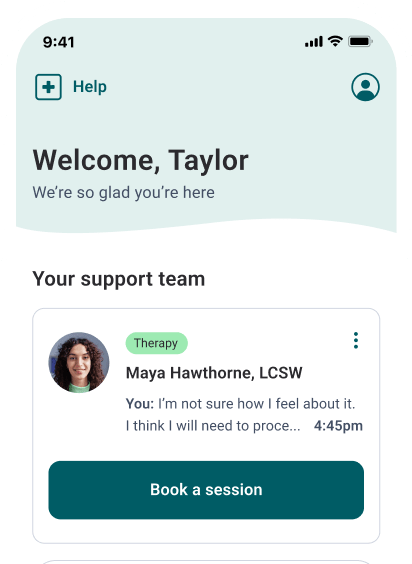
At Talkspace, our mental health providers can help you or someone you know find a diagnosis for NPD. Our platform provides an accessible way for you to connect with a mental health professional for evaluation and work with them to understand and manage your condition with a treatment plan.
How is Narcissistic Personality Disorder Diagnosed?
There are multiple diagnostic techniques used by mental health professionals to diagnose NPD.
DSM-5 criteria
The most commonly used method of arriving at an NPD diagnosis is by using the criteria set in The Diagnostic and Statistical Manual of Mental Disorders, Fifth Edition (DSM-5).
The DSM-5 requires that someone meet at least 5 of the following 9 criteria to get a narcissistic personality disorder diagnosis. Someone with NPD might:
- Exhibit grandiosity in self-perception and behavior
- Be preoccupied with things such as success, beauty, or power
- Believe they’re so unique and special that they could only be understood by or associated with very high-status individuals or institutions
- Have an intense need for admiration
- Maintain a sense of entitlement
- Exhibit behavior that’s interpersonally exploitative
- Show almost no empathy for others
- Feel envious of people they encounter, or believe others are envious of them
- Seem arrogant
An alternative in the DSM-5 supports a diagnosis of NPD if someone is impaired in at least 2 of these 4 areas of their life:
- Identity
- Self-direction
- Empathy
- Intimacy
“It may not be common for a person with a narcissistic personality to seek a diagnosis on their own. Many of the symptoms of this disorder might not allow them to seek counseling voluntarily. Grandiosity and self-importance, along with a lack of self-reflection, are a few of the attributes of NPD that hinder someone from seeking treatment.”
— Karmen Smith, Licensed Clinical Social Worker (LCSW), DD
Tests for narcissistic traits
There are also several written tests that can be used to make a narcissistic personality disorder diagnosis. These are not “black and white” tests and are subject to interpretation only by a trained mental health professional. These tests include:
- Personality diagnostic questionnaire – 4 (PDQ-4)
- Millon clinical multiaxial inventory III (MCMI-III)
- International personality disorder examination (IPDE)
Each narcissistic personality disorder test listed above is made up of simple, easy-to-answer questions. You only need to respond honestly for them to offer accurate insight into each narcissistic trait exhibited.
Conditions That Share Similar Symptoms
One of the major challenges when learning how to diagnose someone with narcissistic personality disorder is the fact that other mental health conditions share similar symptoms. NPD is also commonly misdiagnosed as several other conditions, including:
- Bipolar disorder (manic phases)
- Generalized anxiety disorder (GAD)
- Asperger’s disorder
To make things even more complex, it’s incredibly common for people to also have one or more other mental health conditions. In fact, it’s actually somewhat rare for someone diagnosed with NPD to not have a comorbid condition (when two conditions co-exist).
Some of the conditions and co-morbidities that share symptoms with NPD follow.
Histrionic personality disorder
It’s estimated by some research that up to 53% of people diagnosed with NPD might also have histrionic personality disorder. This mental health condition is hallmarked by:
- Attention-seeking behavior
- Unstable emotions
- A distorted self-image
Although genetics may play a role in histrionic personality disorder, it’s believed to be largely the result of childhood abuse and neglect.
Borderline personality disorder
Borderline personality disorder (BPD) co-exists in up to 47% of people diagnosed with NPD.
Key symptoms of BPD can include:
- A poor self-image
- Fear of being abandoned
- Impaired social relationships
BPD is also believed to stem from childhood experiences and is especially common in adults who were abandoned physically or emotionally during childhood.
Paranoid personality disorder
Paranoid personality disorder is a chronic personality disorder that co-exists in approximately 36% of people with NPD. Paranoid personality disorder can be characterized by:
- Being afraid or mistrustful of others without good reason
- Feeling on guard all the time
- Thinking that others are going to hurt them
Avoidant personality disorder
People with avoidant personality disorder feel inadequate and believe they’re always being judged by others. It’s estimated that 36% of people diagnosed with NPD might also have avoidant personality disorder. Symptoms can include:
- Difficulty making friendships
- Extreme shyness and avoiding social situations
- Feeling like everyone hates you
Anxiety and depressive disorders
It’s also common for people with NPD to have anxiety and depressive disorders. Additionally, in cases where this is true, symptoms are typically more severe than when these conditions occur on their own.
How to Get a NPD Diagnosis with Talkspace
If you’re wondering whether you have narcissistic personality disorder (NPD) or someone close to you has suggested that you might, a Talkspace provider can provide guidance. You can quickly and conveniently connect with a licensed provider who will evaluate your symptoms, listen to your concerns, and, if appropriate, diagnose you with NPD or another condition.
Here’s how it works:
- Get started any time by answering a few questions on the Talkspace website or app. You don’t need a referral for either therapy or psychiatric care.
- You’ll be connected with a therapist within about two days or a psychiatric provider within about a week.
- If you choose to start with therapy you can message with your therapist as much as you like and also schedule live sessions. If you choose psychiatry you’ll schedule a live video session with your psychiatric provider.
Online therapy helps you manage symptoms and develop coping skills, while online psychiatry addresses the physiological basis or your symptoms, usually with a prescription for medication and ongoing medication management.
What to Do if You Get Diagnosed With NPD
Being diagnosed with NPD, or having someone you love receive this diagnosis, is not the end of the world. The good news is there are many ways for treating narcissistic personality disorder that can be effective in helping both the person living with narcissism, as well as those around them, increase their quality of life and form stronger, healthier relationships.
- For people with NPD, it’s important to stay committed to your narcissistic personality disorder medication and treatment, both for you and for the people who care about you. This becomes increasingly important as you begin to feel better and see success in your treatment. Long-term treatment is essential to living the best quality of life possible with NPD.
- For those who care about someone with NPD, you might be questioning “how to help a narcissist.” You can help by encouraging your friend, partner, or spouse to keep their appointments, even if that means offering to drive or go with them.
You can also educate yourself about NPD. If you want to know more about how to diagnose someone with narcissistic personality disorder, it’s important to ignore the large volume of “pop” information you might encounter on social media or casual websites. Instead, dig deeper, reading articles from reputable medical journals and studies. There are also a number of support groups for people who are married to or are dating a narcissist.
Through your own therapy and support, you can learn to cope better and support your loved one exhibiting narcissism. Additionally, it’s crucial for those in relationships with individuals who have NPD to remain vigilant about the signs of narcissistic abuse and understand how to set boundaries with a narcissist. Recognizing and addressing these dynamics is key to maintaining a healthy relationship and personal well-being.
You don’t have to just put up with narcissistic personality disorder symptoms— whether you’re the person diagnosed with it, or you’re someone close to them. Treatment, which usually involves talk therapy for narcissistic personality disorder and possibly medication, can be effective if you stay with it and are committed to success.
“The therapist’s relationship to the person with NPD is key in any form of treatment provided. There needs to be trust and an ability to identify manipulations and inconsistent verbal and behavioral communications.”
— Karmen Smith, Licensed Clinical Social Worker (LCSW), DD
Talkspace is an online therapy platform that can provide you with the help and support you or your loved one needs.
How to Treat Narcissistic Personality Disorder
Although it might be challenging to persuade someone to seek help, treating narcissistic personality disorder (NPD) is possible. Many people with NPD see significant improvement in symptoms and interpersonal relationships after receiving professional care.
If you or a loved one has exhibited symptoms of or has a narcissistic personality disorder diagnosis, you should learn about potential treatments that may help. Here, we’re discussing each of the suggested narcissistic personality disorder treatment options in detail, so you can learn as much as possible as you begin the process of understanding how to deal with narcissistic personality disorder. We will discuss the following treatments for NPD as follows:
- Dialectical behavior therapy (DBT)
- Schema therapy
- Gestalt therapy
- Mentalization-based therapy (MBT)
- Transference-focused psychotherapy (TFP)
- Metacognitive interpersonal therapy
- Supportive psychotherapy
- Medication
- Holistic treatment
Therapy for Narcissistic Personality Disorder
Experts consider therapy to be the most effective form of narcissistic personality disorder treatment. NPD therapy can help people become more aware of their narcissistic tendencies and how they impact others. It can also help them begin to understand and regulate their emotions.
Low empathy is common among narcissistic personality disorder symptoms, but studies show that empathy can be learned. Through therapy, people with NPD can learn to take responsibility for their actions, which can ultimately help them develop healthier relationships. Therapy is essential in that it can do more than just treat narcissistic personality disorder symptoms. It can focus on addressing the comorbid mental health symptoms and conditions — like bipolar disorder and other personality disorders — that commonly occur with NPD, too.
Therapy won’t be able to transform someone who presents themselves as a “narcissist” overnight. For many people, it can take years to see any significant progress. However, if they’re willing to work on their narcissistic tendencies and commit to therapy, even though NPD can’t be cured, treatment can offer very positive results.
“Therapy can absolutely help with traits, but narcissism cannot be cured per se. The conscious space of therapy is a great place and opportunity for reflection about insecurities or issues of self-esteem that may lie beneath. A professional clinician can offer just the right support to create more realistic expectations and address how one’s behavior can impact their relationships.”
— Elizabeth Keohan, Licensed Certified Social Worker-Clinical, (LCSW-C), LICSW, MSW
Types of Therapy for Narcissistic Personality Disorder
Narcissistic personality disorder can be a difficult condition to treat, and it can take time to see progress. This makes it all the more important to find the best type of NPD therapy for someone’s individual needs. Understanding the different types of therapy is the first step.
- Psychotherapy: Psychotherapy is also known as talk therapy, and it involves regular one-on-one interactions between patient and clinician. During individual therapy sessions, people have the opportunity to discuss their emotions and actions with a care provider. Over time, they can learn to understand their behaviors and regulate their behaviors and thought processes.
- Cognitive behavioral therapy (CBT): Cognitive behavioral therapy helps people begin to identify unhealthy or unhelpful thought patterns. Once someone is aware of these patterns, they can work to change them. In addition to practicing skills with a care provider, people in CBT treatment are generally given assignments to work on between sessions.
- Gestalt therapy: This is a type of psychotherapy that’s more focused on the present than the past. Therapy sessions typically focus on the challenges someone is currently facing in life. During gestalt therapy, people are often asked to role-play social interactions so they can improve conflict resolution skills.
- Schema therapy: Schema therapy utilizes elements of psychotherapy and CBT to help people identify and modify their internal schemas (which are patterns of thoughts and behavior that were learned). Many people with NPD have unhealthy schemas that they developed early in life. Once people become aware of these patterns, they can work to change them.
- Transference-focused psychotherapy (TFP): TFP is a highly structured type of psychotherapy that asks people to transfer their feelings about another person, experience, or situation to their care provider. This gives them the opportunity to work through those feelings in a safe, structured, guided environment. It can help people start to change the ways they see themselves and others.
- Mentalization-based therapy (MBT): Mentalization therapy asks people to think about their actual thought processes, that is, how they think. It’s designed to help someone see the connections between their thoughts and their behaviors. MBT can also help people better understand those around them, something that can be very challenging for anyone with NPD.
- Dialectical behavior therapy (DBT): Dialectical behavior therapy is a subset of CBT that works with people to help them improve emotional regulation, relationship skills, and distress tolerance. Although DBT was initially created to treat borderline personality disorder, we’ve found it can also be an effective therapy for narcissistic personality disorder. It typically involves both group and individual therapy sessions.
- Eye movement desensitization and reprocessing (EMDR) therapy: Research suggests that there may be a link between NPD and early childhood trauma. EMDR therapy helps people process and compartmentalize trauma, which is likely why it can be beneficial in treating NPD. EMDR therapy asks people to engage in guided eye movements as they actively discuss traumatic or negative events with a therapist. Over time, this can make these traumatic events less distressing.
- Metacognitive interpersonal therapy (MIT): MIT works to deconstruct maladaptive behaviors and thought patterns. As people with NPD become more aware of these behaviors, they can learn effective coping strategies aimed at changing them. Therapists will also work to find and address obstacles to successful treatment.
What Type of Therapy is Best for NPD?
While people with NPD may share certain traits and behaviors, this condition doesn’t impact everyone in the same way. Experts believe that there are several narcissistic personality disorder types. These subtypes can change the ways NPD affects someone in their day-to-day life.
For example, the grandiose subtype may cause people to show more outward anger and hostility. A person with the vulnerable subtype, however, is more likely to be fragile to criticism and may struggle with low self-esteem.
When choosing the best type of NPD therapy, it’s important to consider both symptoms and goals. For example, EMDR can be a highly effective form of therapy for the person who struggles with early trauma, whereas someone who doesn’t have a traumatic past might benefit more from a therapy that’s focused on the present, like gestalt therapy.
Learning more about narcissistic personality disorder therapy gives you the opportunity to choose the type of therapy that’s best suited for addressing your specific symptoms, needs, and goals. You can think about what you want to work towards, and then find the therapy modality that’s most likely to help.
“Psychotherapy and dialectical behavioral therapy (DBT) can offer good results for narcissism. Both can provide space to learn, practice, and understand your relational impact on others. While both require some level of respectful collaboration, these therapies are a safe place to acquire skills for regulating emotion and increased coping.”
— Elizabeth Keohan, Licensed Certified Social Worker-Clinical, (LCSW-C), LICSW, MSW
Medications for Narcissistic Personality Disorder
Currently, there aren’t any specifically designated narcissistic personality disorder medications. However, medication may be recommended as part of an overall treatment plan. Medication can be used to treat specific narcissistic personality disorder symptoms such as paranoia, anxiety, or depression.
How does medication treat narcissistic personality disorder?
Researchers have found that people with NPD often have other mental health conditions as well. When someone’s struggling with other symptoms — like paranoia, anxiety, or depression — it can be incredibly difficult to focus on treatment.
In many cases, medication can be beneficial in helping manage symptoms that are getting in the way of successful therapy. The right medication might help to improve mental health and well-being, allowing someone with NPD to put more energy into self-improvement.
Types of medication for narcissistic personality disorder
Medications prescribed to treat NPD will vary based on the symptoms a person has been experiencing or any comorbid mental health conditions they’ve been diagnosed with. People can be prescribed antidepressants, anxiety medication, or other medication that might help ease adverse symptoms.
“Medications have limited effectiveness when it comes to treating NPD. Some medications such as antidepressants or anti-anxiety meds can be effective in minimizing some of the mood-related symptoms. Therapy is the most effective method to treat personality disorders.”
— Bisma Anwar, Licensed Mental Health Counselor (LMHC), MA, MSc
Holistic Treatment for Narcissistic Personality Disorder
When exploring how to treat NPD, many people are intrigued by holistic options. Research has uncovered that people with NPD often have unhealthy relationships with food or exercise. Building healthier habits can help decrease irritability, putting people in a better position to focus on treatment.
Substances like alcohol and caffeine are known to make the symptoms of most mental health conditions more severe. Limiting consumption of these beverages can make it easier for some people with NPD to control their behaviors.
Stress can be a trigger for emotional outbursts too, which is why natural stress management techniques can be a valuable tool for anyone trying to manage NPD. Breathing exercises, meditation, and healthy sleep hygiene can all be great ways to manage stress.
Find Treatment for NPD with Talkspace
Even though treating narcissistic personality disorder can be difficult, it’s far from impossible. Mental health experts have made great strides in learning how to treat narcissistic personality disorder successfully, and today there are many options widely available for treatment.
If you suspect that you or a loved one has NPD, don’t hesitate to seek care from a mental health professional. It can take time to see results, but most people who start treatment are often able to reduce or improve symptoms and effectively address negative behaviors.
Ready to get help but not sure where to start? Talkspace therapists are here for you, so you can learn to cope with and manage narcissistic personality disorder. Talkspace is an online therapy platform that’s changing how people access solid, proven, and — most importantly — necessary mental health help. Our online services mean you can get the therapy you need to effectively treat NPD, when and how you want it. Reach out to learn more about Talkspace today.