

Tips for How to Live with a Narcissist
NPD causes an inflated sense of self-importance and a need for excessive attention and admiration. It commonly includes a lack of empathy towards others as well. These tendencies make living with a narcissist incredibly taxing on your mental health. Fortunately, there are ways you can learn to cope.
1. Identifying your personal limits
Protecting yourself from emotional abuse and harm is key in learning how to survive a narcissist relationship. You must know how to make a narcissist respect you. First and foremost, though, you need to identify your limits. Next, you need to decide what behaviors are acceptable or unacceptable. Then, you can establish and set healthy boundaries accordingly. Recognizing your limits is the first step so you can stand up for yourself when you need to.
2. Communicating your boundaries effectively
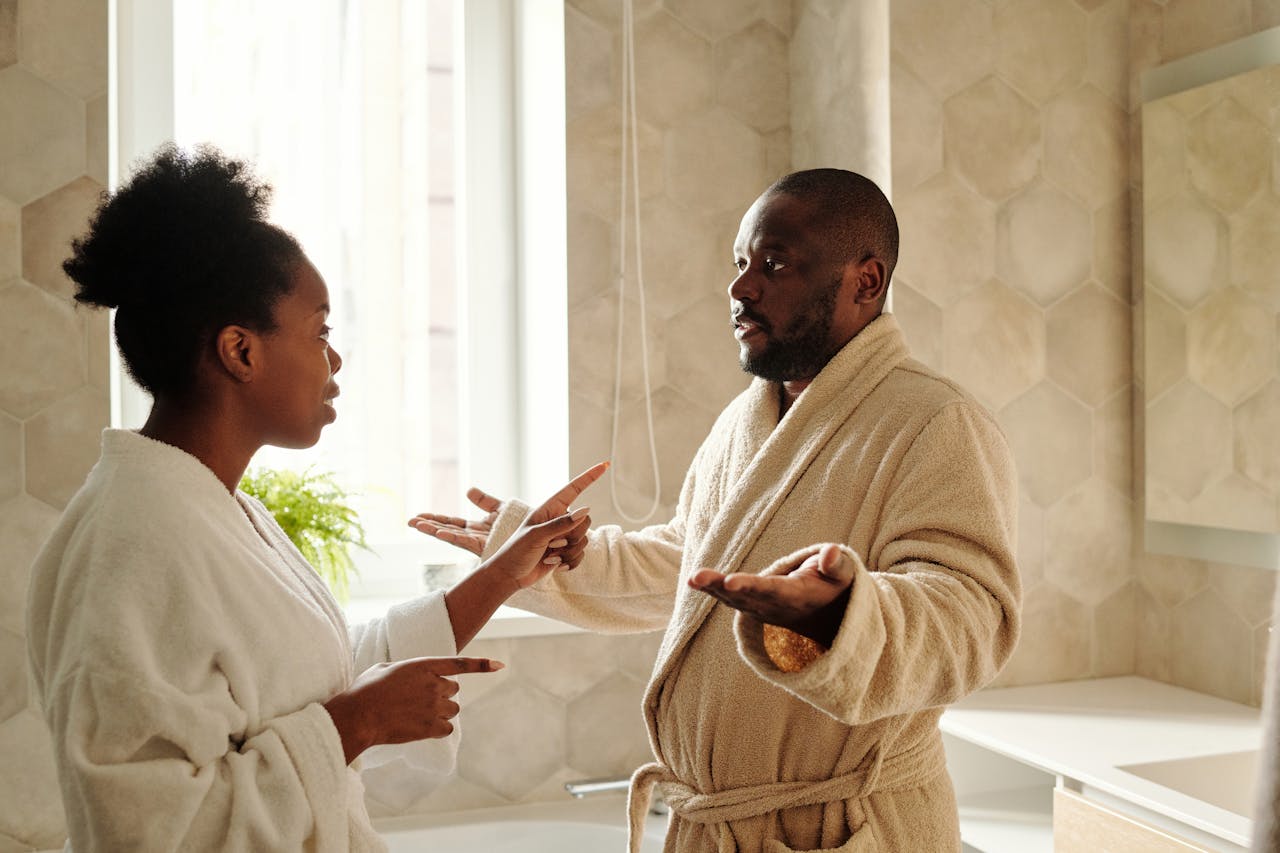
Now that you’ve identified your boundaries, you must communicate them clearly and assertively. Be sure to do this without being confrontational or aggressive, which can aggravate and cause narcissistic rage in someone with NPD. Be firm in expressing your needs, and don’t forget to set rules about the consequences if your boundaries aren’t respected.
"“Since people with narcissistic personality traits/disorder don’t usually recognize their own tendencies it is important for you to be able to take care of yourself within this relationship. One key strategy is being able to clearly communicate your boundaries, for example, if your partner is speaking in a disrespectful manner you can state that you won’t be spoken to in that way and if it continues you leave the conversation by safely leaving the room."
— Jill E. Daino, LCSW-R
3. Cultivating empathy without enabling
It’s possible to be empathetic without enabling someone with NPD. This is a skill you’ll need to perfect if you hope to maintain a healthy relationship with a narcissistic person. You can acknowledge their difficulties but don’t allow them to use those challenges as an excuse for mistreatment. You can understand their perspective without enabling destructive behavior.
4. Maintaining a healthy distance
Occasionally, you must create physical and emotional distance between yourself and someone with NPD. Knowing when to walk away will help minimize negative interactions and keep things from escalating. This might involve something as simple as just taking a break, or it could be more strategic, like creating designated spaces for both of you to have a safe place to retreat when you need to.
Online therapy for Narcissistic Personality Disorder
Dealing with NPD? A licensed therapist can help you set boundaries and find peace.
Get started5. Recognizing and addressing manipulation tactics
Learning to recognize the manipulation tactics somebody with NPD will use over you is crucial. Common strategies include narcissistic gaslighting, guilt-tripping, manipulation, emotional abuse, and victim-playing. Once you’re able to identify and recognize these tactics, you can learn how to respond to a narcissist. You can call out the narcissist's behavior or disengage calmly.
6. Talking to a therapist
If you’re struggling with your mental health due to living with a narcissist, you might need to seek help from a mental health professional. A skilled and experienced therapist who knows about narcissistic personality disorder can offer valuable insights and help you learn coping mechanisms for any feelings you may have.
7. Practicing self-care and prioritizing your mental health
Regularly practicing self care and prioritizing your mental health will be key to surviving a narcissistic relationship. Prioritize exercising, mindfulness meditation, yoga, or hobbies that bring you joy. Focusing on your well-being will allow you to interact more effectively with somebody with NPD.
8. Reaching out to friends and family
Be sure to maintain connections and relationships with people outside of the NPD cycle. Friends and family can offer you emotional support during challenging times. You should be able to share your experiences openly so others can understand what you’re going through and provide encouragement and a safe space to be vulnerable.
9. Joining support groups for those affected by narcissistic personality disorder
Support groups specifically designed to help you learn how to survive a narcissist relationship can be invaluable. These resources can offer camaraderie, support, and advice from others who have experienced similar situations firsthand.
10. Managing your expectations
Having unhealthy expectations when you’re in a relationship with somebody who has NPD can be challenging. You must acknowledge they might not change at all, and if they do, the change will not come quickly or easily. Manage expectations and be realistic about the limitations of this relationship.
Knowing When It’s Time to Move Out
If you’re physically living with somebody who has NPD, you should know and try to accept that there may come a time when you’re unable to continue the relationship. It can help if you go into the situation knowing the time may come when you need to leave. Always be protective of your mental and physical health and be willing to get out of a situation that’s become too toxic, damaging, or unsafe.
Some signs that it’s time to consider leaving include:
- Your mental health is deteriorating: If your living situation has increased anxiety, depression, or any other mental health issue, you must seek professional help and prioritize your mental well-being.
- You feel like you’re always walking on eggshells: Trying to never upset someone with NPD can be exhausting. When you’re constantly attempting to avoid confrontation at all costs, the relationship dynamics might eventually shift to the point of no return.
- The abuse has turned physical: While early in NPD relationships, the abuse might be verbal and emotional, sometimes that shifts to becoming physically violent. If you are ever in a situation where somebody is physical with you, you need to remove yourself immediately.
- Your boundaries are consistently being disregarded or disrespected: If you’ve set clear boundaries and communicated them effectively, but they’re continuously being ignored, you may be left with no choice other than to leave.
"“Moving out is a painful decision, but staying in a relationship that has become toxic, isolating, or is filled with repeated arguments regarding the same topics is even more painful over time. Talking things through with a licensed mental health professional can help you better understand what is going on in the relationship while also providing support as you navigate your decision."
— Jill E. Daino, LCSW-R
How Talkspace Can Help
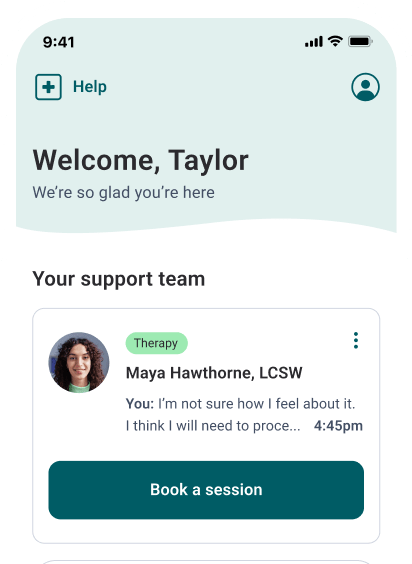
If you need help knowing how to live with a narcissist, professional support from an online therapy platform like Talkspace can be a great asset. Talkspace offers access to licensed therapists who have experience in dealing with NPD. They can help you navigate the relationship and determine how to leave a narcissist. Talkspace benefits include flexible schedules, affordable therapy options, and additional resources and support that can be a game changer in your relationship.
Reach out today to learn more about how Talkspace can help if you’re living with someone with NPD.