


Can Anxiety Cause Nausea?
Yes, anxiety can indeed cause nausea. When anxiety triggers the body's fight-or-flight response, it leads to a series of physiological changes, including altered digestive function. This disruption in normal digestion can manifest as symptoms of nausea or an upset stomach, as the body prioritizes immediate survival over other processes.
What Causes Anxiety Nausea?
Anxiety causing nausea can be the body’s natural reaction to stress. When you experience anxiety, your body releases stress hormones like adrenaline and cortisol. These hormones prepare you for the “fight or flight” response, which increases heart rate, blood pressure, and breathing rates. They also divert blood flow away from non-essential functions, like the digestive system.
This redirection of blood flow might cause gastrointestinal discomfort, like stomachaches or vomiting, explaining the potential feeling of nausea during an anxious moment.
"When an individual experiences a crisis, anxiety is triggered which initiates a fight, flight, and freeze response. This response is a normal reaction to a stressful situation. During the stressful situation, stress hormones called neurotransmitters are released from the brain to the body for the protection of the individual."
— Famous Erwin, LMHC, LPC, CAM 2
Identifying Anxiety Nausea
It can be challenging to identify where anxiety nausea comes from, but becoming aware of the signs of this anxiety symptom can make it easier to manage. The first step is learning what nausea from anxiety feels like and how it’s different from other forms of stomach issues.
What does anxiety nausea feel like?
Anxiety-related nausea often manifests as a churning or unsettled feeling in your stomach that may come on suddenly during moments of stress or worry. This sensation might be accompanied by a loss of appetite, increased heart rate, sweating, dizziness, or even vomiting in severe cases. The intensity of these feelings can vary greatly depending on the level of anxiety and the body’s stress response.
"An individual who is experiencing anxiety nausea may feel butterflies in the stomach, queasiness, stomach cramps, churning of the stomach, dry heaving and throwing up."
— Famous Erwin, LMHC, LPC, CAM 2
How to Tell if Nausea is From Anxiety
To determine if your nausea is caused by anxiety or another issue (like food poisoning or illness), consider the following factors:
- Timing: If your bouts of nausea tend to occur when you’re experiencing heightened stress levels or anxious thoughts, there’s a good chance the two are related.
- Symptoms: Take note if other physical symptoms accompany your feelings of unease. For example, do you have a racing heartbeat, shortness of breath (anxiety-induced breathing issues), or trembling hands? These can all indicate symptoms of anxiety.
- Persistence: While many illnesses causing gastrointestinal distress resolve within hours or days, anxiety-based discomfort often persists until you address underlying emotional triggers.
Of course, you should rule out any of the following as being potential causes of nausea that aren’t related to anxiety:
- Gastrointestinal issues: Conditions like gastroesophageal reflux disease (GERD), irritable bowel syndrome (IBS), or stomach ulcers can all be the culprit for nausea.
- Infections: Viral or bacterial infections, like flu or food poisoning, often lead to temporary bouts of nausea and vomiting.
- Migraine: Severe headaches, known as migraine, are commonly accompanied by feelings of queasiness.
- Pregnancy: Morning sickness is a well-known symptom that affects many pregnant women, especially during the first trimester.
If you’re unsure whether your nausea is due to anxiety or another issue, talk to your doctor or another healthcare provider who can help determine the root cause and recommend appropriate treatment options.
How to Cope with Anxiety Nausea
Dealing with anxiety and nausea can be difficult, but there are several ways you can help calm your stomach and improve your mental state. By focusing on reducing nausea first and then addressing the underlying anxiety, you may find relief from both issues.
Calming the nausea
To alleviate anxiety-induced nausea, try these tips:
- Breathe deeply: Deep breathing can help regulate your nervous system and reduce feelings of nausea. Take slow, deep breaths, inhaling 4 counts, holding the breath 4 counts, exhaling another 4 counts, and pausing before repeating.
- Ginger: Ginger is known to have anti-nausea properties. Sip on some ginger tea or chew on candied ginger when feeling nauseous.
- Distract yourself: Focusing too much on your nausea might make it worse. Engage in activities that take your mind off it, like taking a walk, watching TV, or reading a book.
- Aromatherapy: Some essential oils, like peppermint or lavender, provide relief from nausea caused by anxiety. Inhale their scent directly from the bottle or diffuse them in an oil diffuser.
Calming your anxiety
Calming your anxiety is about more than just managing anxiety symptoms. If your anxiety is causing nausea, you must get to the root cause of the anxiety itself. Fortunately, you can learn how to deal with anxiety through simple, self-help relaxation techniques like the following:
- Lifestyle changes: Try making simple changes to your daily routine, like exercising, eating well, staying hydrated, and maintaining healthy sleep habits. These minor adjustments can do wonders for anxiety and overall mental health.
- Practice mindfulness: Mindfulness meditation helps you stay in the moment and focus on the present rather than worrying about the future or obsessing or dwelling on the past.
- Find support: Connecting with family and friends or joining a support group is a great way to manage anxiety symptoms. When you share your experiences with others, you’ll feel less alone in your struggles and more capable of overcoming your anxiety.
- Start therapy: Therapy can be highly effective in treating the constant cycle of anxiety. Cognitive behavioral therapy (CBT) is an evidence-based therapy for anxiety that helps you identify and change negative thought patterns that might be contributing to your anxiety. An experienced therapist can offer professional support and guidance so your anxiety doesn’t manifest in physical symptoms such as nausea. For guidance on navigating this process, learn how to find the right therapist.
For more tips, check out these natural remedies for anxiety.
"Breathing exercises, mindfulness practices, meditation, stress release activities, and self-care are examples of techniques that can calm anxiety."
— Famous Erwin, LMHC, LPC, CAM 2
Manage Symptoms of Anxiety with Talkspace
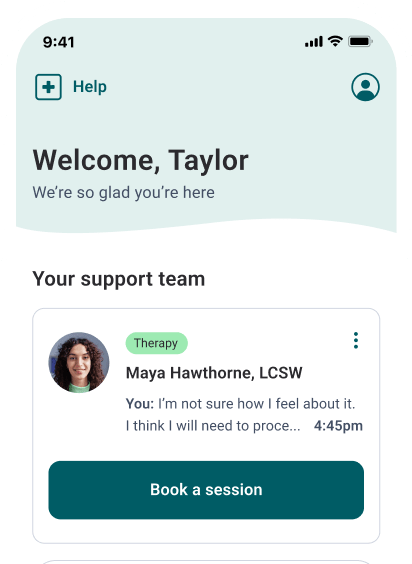
Managing symptoms of anxiety, including nausea, can be a challenging task to undertake, but with the right resources and help, it is possible. Seeking help from an online platform like Talkspace is a great way to learn how to tell if nausea is from anxiety and take that first step toward overcoming it.
Talkspace offers you access to mental health professionals who are skilled and trained in helping people deal with anxiety. Best of all, you can seek therapy from your home, office, or wherever you are most comfortable. Reach out to Talkspace today to learn how online therapy can help you control your anxiety nausea and any other mental health condition you’re facing.