

How is PTSD Diagnosed?
Though it may seem difficult to know how to diagnose PTSD, rest assured that there is a system in place. The Diagnostic and Statistical Manual of Mental Disorders (DSM-5) details the specific requirements that must be met before diagnosing PTSD is possible.
As outlined in the DSM-5, 8 criteria are considered to make a PTSD diagnosis. The following is an overview of those clinical standards.
DSM-5 Criteria for PTSD
The DSM-5 is a manual used by doctors to diagnose mental disorders accurately and consistently. It’s a doctor’s first step towards making a mental health diagnosis so an effective treatment plan can be put together.
Criterion A: Stressor
Post-traumatic stress disorder results from exposure to a traumatic event. You must have either experienced a traumatic situation yourself or witnessed it happening to someone else. Some examples of stressors that could lead to PTSD include:
- Severe injury
- An automotive accident
- Physical violence
- Sexual assault
- Death or a near-death experience
- War
- Witnessing a violent act
PTSD could also result from repeated exposure to traumatic events. Some examples of PTSD from emotional abuse or trauma exposure include soldiers watching people die daily in battle, sustaining a long-term abusive relationship, first responders collecting body parts, or social workers who are constantly subjected to the horrors of child abuse cases.
Criterion B: Intrusion symptoms
Intrusion symptoms can result from repetitive or persistent exposure to a traumatic event that occurred in the past. You may experience involuntary, recurrent, and intrusive thoughts of the traumatic memory. You might have nightmares based on the details of what you experienced. You may have flashbacks during the daytime and feel that the event is happening all over again. PTSD sufferers may begin re-experiencing symptoms that they had after witnessing a traumatic situation.
Criterion C: Avoidance symptoms
Avoidance is common in PTSD. For example, you may go out of your way to avoid any distressing memories or reminders of the traumatic memory. You might try to avoid feelings, thoughts, people, conversations, objects, places, situations, or anything else that (even subconsciously) reminds you of your experience.
Criterion D: Negative mood changes
According to the DSM-5, a PTSD diagnosis requires negative changes in cognition and mood. These cognitive and mood symptoms would have to begin after the event, and they will continue to worsen. Symptoms could include an inability to remember key details about the trauma exposure, dissociative amnesia, or increased use of alcohol and illicit substances. Some people also experience a persistently distorted worldview and have low expectations about either themself or others.
You might begin to blame others (or yourself) for causing the event you were traumatized by which may lead to angry outbursts. You may also blame yourself or someone else for any consequences that have resulted. It’s not uncommon to experience persistently negative emotions, including anger, shame, fear, guilt, or worthlessness. Many people find they lose interest in doing anything, even things that were once very enjoyable.
Feeling detached from yourself and others, like the world is moving in slow motion, isn’t uncommon. Nor is feeling estranged from others, alienated, or unable to experience valuable emotions like love, joy, and happiness.
Criterion E: Reactivity changes
A doctor might make a PTSD diagnosis if you experience changes in reactivity and arousal after a traumatic event. According to the DSM-5, you’ll have at least two of the following reactivity symptoms:
- Irritability
- Aggressive behavior
- Being easily startled
- Difficulty concentrating
- Self-destructive behavior
- Disturbed sleeping habits
- Feeling like danger is everywhere
Criterion F: Duration of symptoms
The persistence of symptoms is a key marker of PTSD. To get a PTSD diagnosis, you’ll have had Diagnostic Criteria B, C, D, and E symptoms for at least one month.
Criterion G: Functional impairment
You must be experiencing impairment in your life that stems from the stressor to be diagnosed with PTSD. This could be at work, home, or in your social life.
Criterion H: Exclusion
For an accurate diagnosis to be made, your PTSD symptoms must not be caused by substance abuse, illness, or any medications you take.
Now that we understand the criteria necessary to get a diagnosis, let’s review what the DSM-5 requires from each category. You must meet:
- Criterion A: Stressors
- At least 1 symptom (or more) from Criterion B: Intrusion
- At least 1 symptom (or more) from Criterion C: Avoidance
- At least 2 symptoms (or more) from Criterion D: Negative mood changes
- At least 2 symptoms (or more) from Criterion E: Reactivity changes
- Criterion F: At least one month duration of symptoms
- Criterion G: Impairment to daily life
- Criterion H: Must not be caused by substance abuse, illness, or medications
There are additional diagnostic tests that mental health professionals sometimes use when diagnosing PTSD to help them gain a better understanding of whether or not you have the condition.
Tests That Diagnose PTSD
Aside from meeting the PTSD diagnostic criteria above, a doctor will also want to complete a physical examination to check for any underlying medical problems that might contribute to your symptoms. If you’re wondering how to get diagnosed with PTSD, you may be asked to undergo a comprehensive psychological evaluation. All of the information gathered will allow a doctor to make a full, complete diagnosis.
Psych Evaluation
Results from a psychological evaluation will help rule out other possible causes for your PTSD-like symptoms. During the psych evaluation, you’ll be able to speak with a mental health professional and openly discuss the details of the traumatic experience you endured. This can help determine what might be causing the symptoms you have. With the help of a professional, you’ll likely be able to center in on the specific trigger for your symptoms.
“Trauma is difficult to diagnose. Living with emotional pain can make things worse, so it is important to get help in time.”
— Muhammad Munir, Psychiatrist, MD, DFAPA
Speak openly during this evaluation and use the opportunity to allow your doctor to understand you on a deeper level. This is key to developing the most effective PTSD treatment program so you can alleviate your symptoms in the long term. The more you open up about your symptoms, the more accurate the diagnosis will be from your healthcare provider. They can help you determine the type of PTSD you have and your best treatment option(s).
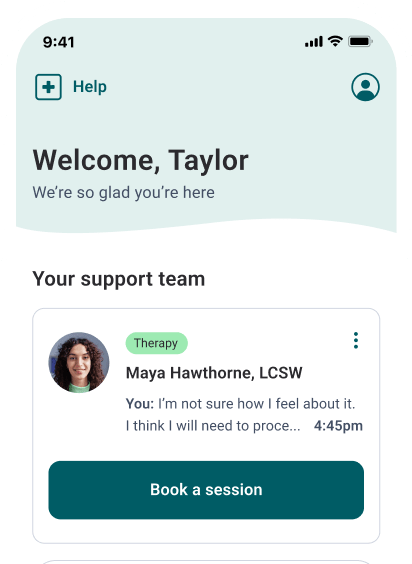
At Talkspace, you can connect with online mental health professionals for a PTSD diagnosis and a customized treatment plan. Our approach simplifies access to care, removing common barriers to getting help for PTSD.
How to Get a PTSD Diagnosis through Talkspace
If you think you exhibit symptoms of post-traumatic stress disorder (PTSD), a Talkspace provider can evaluate you and, if appropriate, issue a diagnosis. Simply answer a few questions online about yourself and your symptoms, then we’ll connect with a licensed provider for an assessment.
Talkspace makes it affordable to receive diagnosis and treatment for PTSD, with online therapy and psychiatry plans that take insurance. Your specific insurance company and health plan will determine your coverage and copays, but covered members have an average copay of $15, often less. If your insurance doesn’t cover Talkspace, check with your employer to see if they pay for our mental health services directly (many do), use an FSA/HSA card, or pay out-of-pocket at a cost that’s less than most in-person providers.
Here’s how it works:
- Get started any time by answering a few questions on the Talkspace website or app.
- You’ll be connected with a therapist within about two days or a psychiatric provider within about a week.
- If you choose therapy you can message with your therapist as much as you like and also schedule live sessions. If you choose psychiatry you’ll schedule a live video session with your psychiatric provider.
Online therapy provides support for managing PTSD through ongoing conversations, while online psychiatry usually involves a prescription for medication and ongoing medication management. (Please note: Talkspace does not prescribe controlled substances but does prescribe non-stimulant medications for ADHD in some cases.)
Post-Traumatic Stress Disorder (PTSD) Treatment
It’s estimated that up to 15 million people have experienced or are living with PTSD currently in the U.S. This prevalence begs the question: How do you treat PTSD?
The best way to treat PTSD generally includes a combination of types of therapy for PTSD, behavioral training, and medication. A treatment plan for PTSD may include:
- Psychotherapy (talk therapy)
- Cognitive Processing Therapy (CPT)
- Prolonged Exposure Therapy (PET)
- Eye Movement Desensitization and Reprocessing (EMDR) Therapy
- Stress Inoculation Therapy
- Dialectical Behavior Therapy (DBT)
- Medication
It’s important to note that PTSD treatment can differ from person to person. The primary goals of treatment are to alleviate the debilitating effects that most people experience. Targeted outcomes include:
- Helping reduce or improve PTSD symptoms
- Learning how to deal with PTSD and coping techniques
- Helping you believe in yourself and your strength again
Types of Therapy for PTSD
Trauma can be sexual, psychological, emotional, or physical. Determining what the best therapy for trauma is can be a bit tricky, as you will need to know the differing types of PTSD first. Various types of therapy exist depending on your PTSD severity. Once you discover the best type of therapy for you, it can teach you how to identify and manage triggers so you can regain control of your life.
A common goal of all types of PTSD therapy is to teach you effective coping skills to manage your condition. This can include things like relaxation meditations, breathing control (pranayama), stress-busting exercises, and healthy eating and sleeping habits. All of these can contribute to how you feel at any given moment. Learning new skills that might enhance the rest of your life is worth the time and energy you’ll invest into your therapy.
The four main PTSD symptom types are negative thinking, a physical/emotional reaction, an invasive traumatic memory, and avoidance. Each of the following types of therapy utilizes goal-specific techniques based on your direct needs and symptoms.
1. Cognitive Processing Therapy (CPT)
CPT is a specified type of cognitive therapy that typically involves 12 weeks of PTSD treatment. Weekly sessions are often between 45 and 90 minutes each. Cognitive processing therapy involves exploring precisely what’s causing the traumatic memory to resurface and then learning how to cope with them effectively until you get to the point where they no longer have a debilitating effect.
A common approach to cognitive therapy is, with the guidance of an expert therapist, to explore traumatic events by writing them down in as much detail as you can remember. Then, your therapist will deep dive with you to explore and understand how you can manage your memories more effectively so they no longer disturb your life. At the very least, memories can be reduced in intensity and frequency.
2. Exposure Therapy
Many people with PTSD avoid painful memories, objects, or situations that remind them of their past trauma. Prolonged exposure therapy does the opposite of this, by intentionally placing you in a position where you have to explore your traumatic experience. Prolonged exposure therapy typically requires 8 – 15 weekly sessions that last between 60 – 90 minutes per session.
In early PTSD treatment, you’ll learn breathing and relaxation techniques that can ease feelings of fear and apprehension. These coping mechanisms will help you explore trauma therapy in a controlled, safe environment. You’ll learn to anticipate and proactively handle your PTSD symptoms with this direct-approach therapy. Over time, you’ll be able to increase your tolerance until you are able to reengage with the people, places, and things you had previously been avoiding.
Within the larger exposure therapy umbrella, there are several subtypes that can be helpful in treating PTSD. These include:
In vivo exposure therapy: In vivo exposure therapy asks you to directly face the object, activity, or situation that you fear. It’s a very straightforward approach that’s designed to break the mental and emotional patterns associated with your anxiety.
Since in vivo exposure can be a difficult and uncomfortable process, it will likely be used only after you’ve made some progress with other cognitive-behavioral therapies (CBT).
The goal of in vivo therapy is to demonstrate that although you’re experiencing a certain level of anxiety, the consequences of your emotions aren’t as extreme as you might believe. Eventually, you’ll become conditioned to either successfully experience a certain level of anxiety or, in the most successful outcomes, to no longer be provoked by it at all.
Imaginal exposure therapy: Another method of exposure therapy for PTSD, imaginal exposure, asks you to vividly imagine the situation, object, or activity you fear by recalling very specific events from a traumatic experience. Repeated exposure to these imaginings can work to reduce your abnormal fears and emotions. You’ll find that sometimes you can even replace those emotions with more appropriate responses or feelings — such as sadness, regret, or disappointment.
When it’s not safe or it’s impossible to directly confront anxious memories or fearful thoughts in real life, imaginal exposure is an indirect solution that can offer similar results.
Interoceptive exposure therapy: Interoceptive exposure for post-traumatic stress disorder helps by strategically recreating the physical symptoms and sensations that you associate with a feared trigger. It then asks you to see those harmless — albeit likely scary — feelings and/or reactions for what they actually are: just a faster heartbeat, an increase in sweating, some chest pain, or perhaps a dry mouth. You’ll learn that the heightened physical and emotional reactions you experience have made imagined fears appear real, when in reality, you can control them.
With interoceptive exposure, you’ll learn to intercept your somatic symptoms so you can disassociate them from your reality. This type of therapy has offered good results for people who experience panic attacks, dizziness, or pain associations along with their traumatic memories.
3. Eye Movement Desensitization & Reprocessing (EMDR)
EMDR therapy doesn’t necessarily involve talking with your therapist in the traditional way you may think about therapy. Yes, you’ll still focus on the specifics of your past trauma, but during EMDR sessions, you’ll recall your experience while your therapist performs some mechanical action — like flashing a light, moving the hands, or creating sound. The goal is to “reprocess” how you think about your experience so it can become less painful and a more doable act. EMDR therapy typically requires 3 months of weekly 60 to 90-minute sessions.
4. Stress Inoculation Training (SIT)
Stress inoculation training (SIT) is yet another type of cognitive behavioral therapy. It involves roughly 3 months of weekly sessions that can range from 60 to 90-minutes each. SIT involves individual or group therapy, and there’s no pressure for you to delve into the details of your trauma unless you want to. This cognitive behavioral therapy for trauma focuses on breathing techniques, meditation, and other methods for combating negative thought patterns associated with post traumatic stress disorder or other anxiety disorders.
It’s important to keep in mind that everyone with post traumatic stress disorder has a unique experience, history, and symptoms. There’s no singular approach or one-size-fits-all therapy that works equally for all.
5. Dialectical Behavior Therapy (DBT)
DBT (dialectical behavior therapy) has been found to be a very effective form of treatment for PTSD — and research suggests it can also work well as a precursor to other PTSD treatment techniques. In fact, DBT has been so successful that it's been adapted into a specialized approach specifically for PTSD, known as DBT-PTSD. Studies show that DBT-PTSD reduces symptoms in 58% of women survivors of childhood abuse, compared to 41% for CBT alone — a significant finding that points to DBT as one of the most effective treatment options available. DBT is also an effective way to treat complex PTSD (C-PTSD), which refers to trauma experienced repeatedly or over a long period of time, such as prolonged abuse, neglect, or captivity.
“There are multiple studies on the efficacy of DBT for PTSD. It’s been found to reduce avoidance behaviors in patients entering treatment. Overall, it’s been found that DBT is one of the most effective treatments for PTSD. You can find a therapist on Talkspace who specializes in DBT.”
— Bisma Anwar, MA, MSc, LMHC
So how does DBT actually help with trauma? DBT for PTSD focuses on four core areas. Mindfulness teaches you to stay present and grounded, so you can recognize and interrupt stress patterns before they spiral. Emotion regulation gives you the tools to manage, accept, or change destructive emotions before they take hold. Distress tolerance helps you face thoughts and feelings that once felt too painful to confront, using techniques like breathing exercises and self-soothing strategies. And interpersonal effectiveness helps you build and maintain healthy relationships — practicing boundary-setting, asking for what you need, and resolving conflict — which is especially important for people with PTSD, for whom trust and connection can feel particularly difficult.
Together, these techniques make DBT a powerful, well-rounded approach to trauma treatment — one that addresses not just the symptoms of PTSD, but the underlying emotional and relational patterns that can make recovery so challenging.
Medications for PTSD
Medication for PTSD can be used — most often in conjunction with therapy — to reduce symptoms and help you manage your anxiety.
How does medication treat PTSD
Depending on your condition and severity, a doctor may prescribe anti-anxiety medication, antidepressants (SSRIs), mood stabilizers, or alpha-1 blockers to treat your PTSD. Many of the medicines used for PTSD are relaxants or sedatives in nature. They can help by reducing anxiety, sensitivity, and irritability.
It’s important to note that medication only addresses PTSD symptoms, and not the source of PTSD. Also worth discussing is the fact that many medications can become addictive without proper management and limitation of use. Connect with an in-person or online psychiatrist to find the best treatment options for your needs.
Types of medication for PTSD
Today, the FDA has only approved the use of Paroxetine (Paxil) or Sertraline (Zoloft) to treat PTSD. However, other medications can be used for addressing side effects as well. Some of them aim to relax you enough that direct therapy treatments can be effective. In some cases, beta-blockers, antipsychotics, and antidepressants can be used as well.
“Medications to treat PTSD include SSRIs (selective serotonin reuptake inhibitors) and SNRIs (serotonin-norepinephrine reuptake inhibitors) types of antidepressant medication. Some recommendations include: Sertraline (Zoloft), Paroxetine (Paxil), Fluoxetine (Prozac), and Venlafaxine (Effexor).” — Reshawna Chapple, Licensed Clinical Social Worker (LCSW), PhD
A Combined Approach With Medication
When you’re living with PTSD, you process threatening thoughts differently. This happens, in part, due to brain chemicals called neurotransmitters being out-of-balance. In many cases, people with PTSD have easily triggered fight-or-flight responses, which are instinctive physiological reactions to a stimulus that’s perceived as threatening.
Prescription medications for PTSD may also be used as a treatment option along with therapy, to maximize benefits, especially in the initial stages of healing. However, the goal of therapy is to teach you how to learn to anticipate, recognize, and cope with your symptoms, not rely on pharmaceuticals long-term.
When it comes to treating post traumatic stress disorder, there are several medications available that can potentially help. Selective Serotonin Reuptake Inhibitors (SSRIs) and Serotonin and Norepinephrine Reuptake Inhibitors (SNRIs) that help reduce PTSD symptoms include:
- Zoloft* (sertraline)
- Paxil* (paroxetine)
- Prozac (fluoxetine)
- Effexor (venlafaxine)
*Note these are the only FDA-approved drugs for treating PTSD, but others may be prescribed by your provider
In combination with your therapy, a psychiatrist may prescribe medications for PTSD. They can include antidepressants, monoamine oxidase inhibitors (MAOIs), second-generation antipsychotics (SGAs), beta-blockers, or benzodiazepines. Prazosin, an alpha-1 blocker, is also commonly used to help reduce or eliminate nightmares associated with trauma.
Remember that medications are designed for short-term use to help you through particularly rough times. As you develop coping skills and become able to manage your PTSD symptoms better, you’ll likely find that you need less medication.
“Living with PTSD can feel deeply confusing, especially if you don’t know you have it. Sometimes, getting a diagnosis of PTSD can be a supportive first step in helping you understand why you feel the way you do, or why you act the way you do, so that you can determine the best next steps to help you heal; finding the right therapist or psychiatrist for you who specializes in trauma is key.”
— Kate Rosenblatt, Licensed Mental Health Counselor (LMHC), Licensed Professional Counselor (LPC), MA
Holistic Treatment for PTSD
For some people, the best way to treat PTSD if you don’t want to go the medication route might be to try healing from PTSD naturally or using holistic treatment.
Much of the approach involves seeking a re-establishment of a personal balance, both in mind and body. While some critics argue holistic techniques don’t measure up to western medical scientific approaches, many people who’ve gone the holistic route now swear by it for their own stability and recovery.
Some popular holistic PTSD treatments include:
- Yoga
- Massage
- Acupuncture
- Meditation
- Reiki
- Journaling
“Holistic treatments such as incorporating meditation, yoga, and journaling can be healing when treating PTSD. Working with a licensed therapist or psychiatrist who specializes in trauma can be extremely supportive in your healing journey.”
— Reshawna Chapple, Licensed Clinical Social Worker (LCSW), PhD
Benefits of a holistic approach
One of the main benefits of holistic treatments is they can be learned, applied, and used for the rest of your life. Meditation, for example, is a well-practiced technique that teaches you to use breathing techniques for relaxation and mind-clearing benefits.
How to Get PTSD Treatment
Getting PTSD treatment can feel overwhelming, but there are many accessible options to start healing. Treatment availability varies based on location, cost, and format, so it’s important to find what fits your comfort level and budget.
Below is a breakdown of common PTSD treatment access options, comparing program type, setting, access method, and typical cost.
Find Treatment for PTSD with Talkspace
If you’ve recently been diagnosed with PTSD, you might feel like you’ll never get back to normal life. Knowing how to treat PTSD allows you to have hope for your future. Many people have been very successful at managing PTSD when a combination of psychotherapy, medication, and holistic healing methods are used. Learn if you are dealing with PTSD today with our online PTSD test.
Talkspace offers online therapy with skilled mental health professionals who can help you learn to cope with your PTSD in the workplace, at home, or in your day-to-day. Our innovative, flexible approach to mental health lets you get the therapy you need without the hassle of going to an in-person office.
If you’re looking for therapy to treat your PTSD, reach out today to learn more about how Talkspace can help.