

1. Therapy
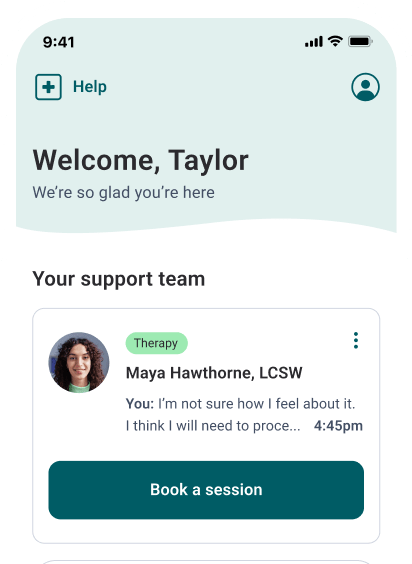
Psychotherapy (talk therapy) is almost always the first line of treatment for people who’ve received a BPD diagnosis. The most common and effective forms of BPD therapy include cognitive-behavioral therapy (CBT) and dialectical behavioral therapy (DBT). The latter was developed specifically to treat this mental health condition.
2. Vitamin C Supplements
Vitamin C supplements might be beneficial for people whose BPD symptoms include anxiety and nervous tension. One 2015 study found that taking 500 mg of vitamin C a day reduced anxiety in some people. If you’re looking for how to treat BPD naturally, vitamin C might be a good option to explore.
3. Herbs
Another way to learn how to treat BPD naturally involves herbs. Several herbs have shown promise as potential alternative treatments for borderline personality disorder.
Remember that herbs, like any other holistic treatment, can be most effective when used with other therapeutic methods. Never consider substituting herbs for all medication and/or therapy and make sure to consult with a licensed physician before starting to take any additional supplements.
Valerian root
Valerian root is a traditional natural remedy for insomnia, anxiety, and depression. This is due to the nature of the plant’s ability to interact with certain receptors that stimulate serotonin and GABA inhibitory neurotransmitters that can increase mood and calmness. Insomnia that’s left untreated can exacerbate symptoms of BPD, so this root might be helpful. Of course, anything that reduces anxiety and depression can be useful for a variety of conditions, including BPD.
Ashwagandha
Ashwagandha might be another option for people looking for ideas on how to treat BPD naturally.
Some research, although limited and inconclusive, may suggest that Ashwagandha can help with stress. It does this by moderating the hypothalamus-pituitary-adrenal axis. As such, this adaptogenic herb might be something to try as an alternative treatment to BPD.
4. Foods with Omega-3 Fatty Acids
Foods that contain Omega-3 fatty acids, like salmon, mackerel, and sardines, have shown promise as a borderline personality disorder treatment without medicine. In the study mentioned below, it helped diminish aggression and reduce the severity of depressive symptoms in women with BPD. Many people with mental health conditions, including those living with BPD, have lower levels of Omega-3 fatty acids. Adding this fatty acid back into the body has been shown effective for some people with BPD, according to a research study by McLean Hospital in Belmont, MA.
5. Magnesium
Magnesium supplements seem to be beneficial for some people with BPD who also suffer from migraines. Additionally, it’s believed that it can be beneficial for people who have depression or high anxiety in addition to BPD.
One 2015 study by a Russian research team found that people with BPD often have very low levels of magnesium. After administering supplements for a year, the team concluded that treating people with organic salts of magnesium ultimately improved their condition and largely reduced the need for some medication.
If you’re looking for a borderline personality disorder treatment without medication, you can ask your doctor to test your magnesium blood levels and see if it’s a viable option for you.
6. Vitamin D
Taking vitamin D supplements might be one of the more effective BPD alternative treatments out there. Approximately 50% of the global population is vitamin D deficient. Low vitamin D levels have been linked to increased anxiety, mood disorders, and depression.
Research shows that people deficient in vitamin D also are at higher risk for some mental illnesses like schizophrenia. For people with BPD, particularly those who suffer from anxiety and depression, doses of the sunshine vitamin might be effective in managing and lessening symptoms.
A 2018 study by researchers at St Mary’s College in Calgary concluded that higher vitamin D levels are clearly associated with improved depression and anxiety. Getting more vitamin D is an easy step to take as you embark on your journey trying to learn how to treat borderline personality disorder naturally.
In addition to oral supplements, you can get additional vitamin D through exposure to sunlight, by eating wild-caught salmon, and by drinking fortified milk or other products.
7. Chocolate or Cacao
If you want to know how to treat BPD naturally (and enjoyably), some research suggests you might just want to turn toward chocolate. Nutrients in chocolate may help reduce depression and improve memory and focus in people with BPD, things that are common problems.
Research conducted in a 2019 study found that chocolate might help reduce depression. Dark chocolate may be especially effective in combating depressive symptoms that are common in people with BPD.
Much more research must be done, but it’s exciting to think of the possibility that chocolate might be a viable way to treat borderline personality disorder treatment without medication.
8. Stress Management Skills
Believe it or not, there’s actually a difference between good and bad stress. Understanding how to identify each, and knowing how to manage the unhealthy type, can go a long way in treating BPD. Stress is a known and common trigger for BPD, so having the skills to manage stressful times in your life can be key in overall condition management.
"Healthy stress management skills are important. For example, meditation and breathing exercises can help activate our parasympathetic nervous system response, bringing our bodies out of “fight or flight” and into “rest and digest.” It only takes a few minutes and can support us in feeling more relaxed and safe."
— Kate Rosenblatt, MA, LPC, LMHC
When to Seek BPD Treatment
Even the best alternative treatments for borderline personality disorder are always going to be more effective when they’re used in conjunction with therapy.
Therapy is still viewed as the most beneficial way to treat the symptoms of BPD so you can live a full, rewarding life. That said, it doesn’t hurt to learn how to treat borderline personality disorder naturally with these therapist-approved methods.
"If you’re concerned about someone in your life, support them in getting the help they need, like working with a therapist who specializes in borderline personality disorder. Therapists can support you in finding what works for you to manage your symptoms. There is help out there for you."
— Kate Rosenblatt, MA, LPC, LMHC
When should you seek treatment? The short answer is if your symptoms are interfering with your everyday life, your relationships, and/or your job. Talkspace is an online therapy platform where you can find a therapist to help you manage your BPD symptoms. You can also find a therapist by asking your primary care physician, via an in-person or online support group, or through mental health websites like the National Alliance on Mental Illness (NAMI).