


Understanding PTSD in Veterans
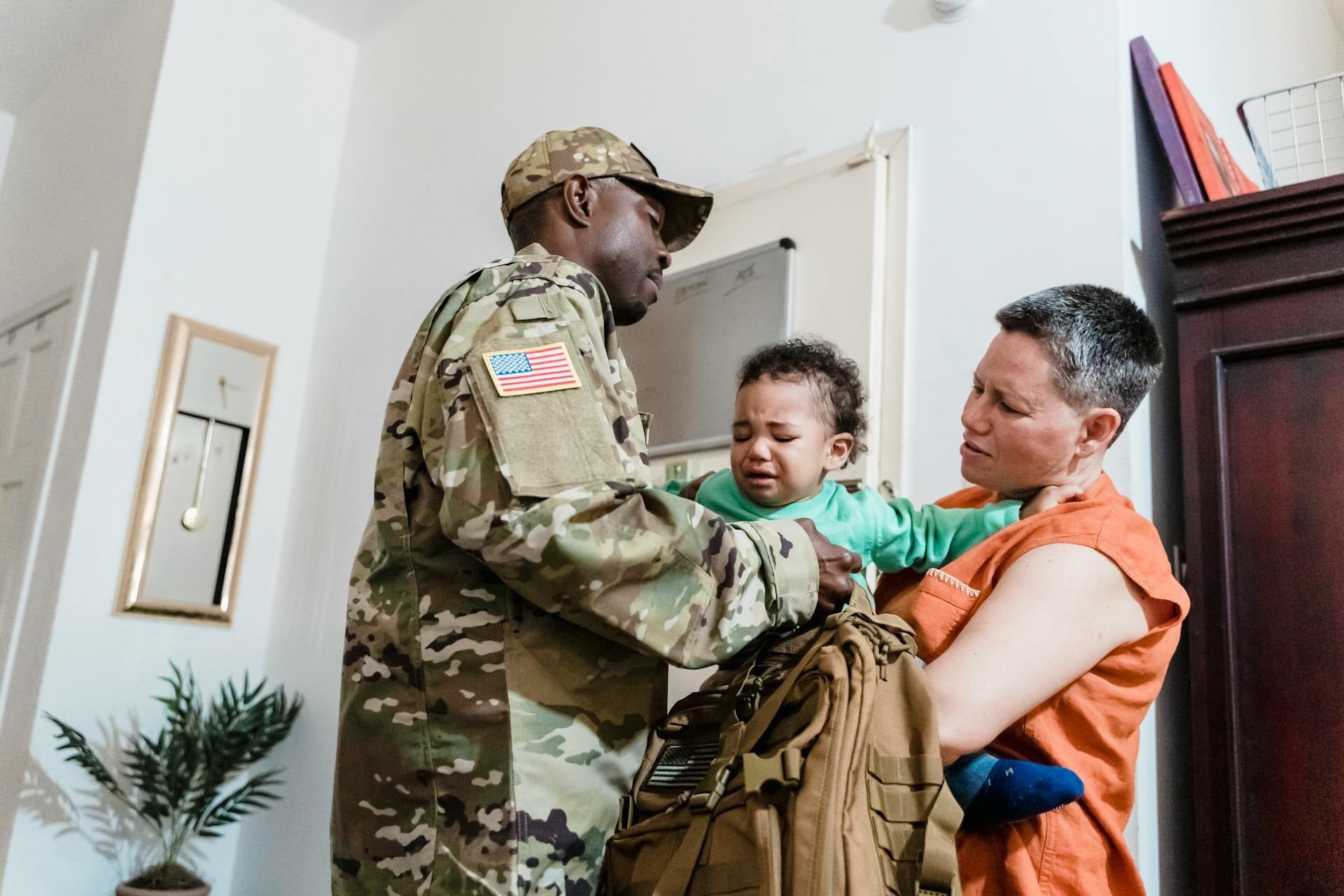
PTSD is a serious mental health condition that develops after exposure to a traumatic event, such as combat, a life-threatening situation, or other forms of severe stress and injury. It’s characterized by a persistent sense of danger, even in safe environments, and often involves structural changes to certain areas of the brain involved in memory, fear response, and emotional regulation.
For veterans, combat exposure significantly increases the risk of developing military PTSD as the mental scars of war and military service can leave long-lasting PTSD symptoms. Studies show that up to 15 percent of Iraq and Afghanistan veterans experience PTSD at some point in their lives. According to the Diagnostic and Statistical Manual (DSM) of psychiatric disorders, common signs and symptoms of PTSD include:
- Flashbacks: Reliving traumatic events as if they are happening in the present
- Hypervigilance: Always feeling on edge or easily startled
- Mood swings: Emotional highs and lows, often accompanied by irritability or anger
- Emotional withdrawal or disconnection: Difficulty connecting with others, including family members and close friends
- Avoidance: Steering clear of places, people, or activities that remind them of their trauma
These symptoms can create strain on family relationships, leading to misunderstandings and feelings of isolation on both sides. It’s essential to remember that PTSD is not a choice or a reflection of character — it’s a response to abnormal circumstances. Understanding the traumatic impact of military service that a veteran went through is the first step toward building a stronger, healthier connection with your loved one.
Creating a Supportive Environment at Home
A safe, predictable, and compassionate home environment can make all the difference for someone grappling with the often unpredictable nature of PTSD. By implementing small, intentional changes, you can help create a space that promotes healing. These specific strategies can make life at home a bit easier for you and the person you live with.
Reduce potential triggers
The psychological effects of military service can leave veterans with emotional wounds that reopen at any time. Veterans with PTSD may have heightened reactions to specific triggers, such as loud noises, chaotic environments, or certain visual cues. Identifying and minimizing these triggers whenever possible is key to helping those with PTSD feel safe. For example:
- Avoid sudden loud sounds, like slamming doors or using the car horn
- Keep the home environment clean and organized
- Be mindful of media content, such as war movies, that may cause distress
These triggers can vary from person to person, so it may help to have an open conversation about what specific audio or visual cues are most distressing. Even just taking the time to understand and learn more about their triggers can go a long way toward fostering empathy and understanding.
Keep in mind that not all triggers can be predicted or avoided, so it's equally important to have a plan for managing them when they arise. This might include grounding techniques for PTSD, deep breathing exercises, or a designated safe space to regroup.
Establish consistent routines
Predictability can bring a profound sense of security and stability to someone struggling with PTSD. Establishing consistent routines, such as regular mealtimes or evening wind-down rituals, can reduce anxiety and provide a comforting sense of normalcy. Even small gestures, like sticking to set times for family activities or letting them know about upcoming changes well in advance, can go a long way in helping them prepare for social events. The goal is to create an environment where veterans can anticipate what’s coming next and minimize the stress of uncertainty.
Practice patience and empathy
Moments of frustration or emotional withdrawal can test your patience, but do your best to try and empathize with their experience. Remind yourself that these behaviors are often rooted in deep-seated trauma experienced during military service, not a reflection of their feelings toward you. When your loved one seems emotionally distant or irritable, they may be responding to unresolved memories or feelings of vulnerability.
Empathy is especially important in the hardest moments. Try to place yourself in their shoes and consider the challenges they’re facing internally. Your calm and compassionate response can help them feel safe and supported, even when they’re struggling to express themselves.
Encourage open communication
Fostering trust and communication can help your loved one feel safe and supported. Start by creating a judgment-free space where they feel comfortable sharing their thoughts and emotions without fear. Let them know that it’s okay to share difficult feelings and reassure them that their experiences are valid. Practice active listening — put aside distractions, maintain eye contact, and repeat what they’ve said to show understanding.
Handling PTSD Episodes and Flashbacks
When a loved one is in the throes of a PTSD episode or flashback, it can be distressing for everyone. These moments can feel overwhelming, but there are ways to respond effectively and supportively. Consider these actionable strategies for managing PTSD war flashbacks:
- Ground them in the present: Gently guide them to focus on their surroundings. For example, ask them to describe objects in the room or notice the texture of a nearby item.
- Avoid physical contact without permission: During an episode, physical touch may be perceived as a threat. Always ask before initiating physical contact.
- Remain calm: Maintaining a calm demeanor can help de-escalate the situation.
- Offer reassurance: Use a steady, comforting voice to remind them they’re safe and that the moment will pass soon.
- Don’t force a solution: Allow them to process the flashback at their own pace rather than trying to fix it at the moment.
Supporting Their Treatment Journey
Encouraging your loved one to seek professional help might be the next big step in their recovery. PTSD is a manageable condition, but effective PTSD treatment for veterans requires time and dedication.
Explore therapy options together
Asking for help is a sign of strength, not weakness, and seeking therapy demonstrates resilience and a commitment to healing. Evidence-based approaches, such as cognitive behavioral therapy (CBT) or eye movement desensitization and reprocessing therapy (EMDR), have shown great success in helping veterans process trauma and reclaim a sense of control over their lives. If your loved one is hesitant to try therapy, exploring options together may help reduce the stigma or fear they might feel.
Be an advocate for their care
For some veterans, navigating the healthcare system while dealing with a mental health condition can feel like too much to handle on their own. Help veterans manage stress and life changes by working together to track their treatment plans.
You can help advocate for their care by:
- Researching what benefits they might be entitled to through the US Department of Veterans Affairs (VA) or other local mental health services
- Help them schedule and attend appointments, with their permission
- Create a system to help keep track of treatment progress and follow-ups
Encourage self-care for both of you
Self-care is essential for managing PTSD, not just for veterans but for their loved ones as well. You may find it helpful to:
- Engage in calming activities like yoga, meditation, or journaling
- Spend time outdoors to reconnect with nature
- Pursue hobbies, old or new, that bring joy and relaxation
Taking Care of Yourself While Supporting a Veteran With PTSD
As a caregiver, it’s equally important to prioritize your own self-care. As many therapists will tell you, “you can’t pour from an empty cup.” If you don’t take care of yourself first, it can be hard to show up for the ones you love.
"Caregivers play a crucial role in supporting veterans with PTSD by prioritizing their mental health. By fostering a compassionate, understanding environment and seeking proper resources, caregivers help maintain stability, reduce stress, and promote healing. This strong support system allows veterans to feel safe, valued, and empowered, improving their overall well-being and quality of life."
— Cynthia V. Catchings, LCSW-S
Here are some tips for practicing your own self-care as a caregiver:
- Schedule regular time for yourself to engage in activities you enjoy
- Learn stress-management techniques, such as mindfulness or deep breathing exercises, to help maintain composure during stressful moments
- Reach out to family or friends to delegate burdensome tasks
- Set boundaries to avoid burnout and prioritize your own well-being
- Connect with others facing similar challenges by joining a support group for family members with PTSD
- Seek therapy for yourself if you need professional support to deal with the challenges of living with a veteran with PTSD
Remember, self-care isn’t selfish — it’s necessary for sustaining your own well-being while supporting the ones you love.
Resources for Veterans and Their Families
There are numerous organizations and tools designed to educate loved ones about how to live with a veteran with PTSD. Knowing where to turn can make a significant difference in your path toward healing.
- Veterans Affairs services and benefits: The U.S. Department of Veterans Affairs provides a wide range of benefits to those who serve, including counseling and medical care for veterans with PTSD.
- Mental health and other military organizations: Organizations like the Wounded Warrior Project and the National Center for PTSD offer resources, programs, and community support for veterans.
- Online therapy platforms: Platforms like Talkspace and others provide online therapy for veterans and their families.
Moving Forward Together
There’s no easy guide for how to live with a veteran with PTSD. It’s a journey of compassion, patience, and resilience, and while there may be bumps in the road, there are also opportunities for growth and deeper connection. By understanding PTSD better, creating a supportive environment, and seeking professional help when needed, you and your loved one can move forward together on the path to recovery and a brighter future.
You’re not alone. Help is available for both veterans and their families, through professional interventions, support groups, and national mental health organizations.
Platforms like Talkspace can connect you with licensed therapists who are trained to handle the unique challenges of living with PTSD. Healing is attainable, and with the right online therapist, just a few clicks away.