


Key Takeaways
- Zoloft (sertraline) is an SSRI medication commonly prescribed for major depressive disorder and several anxiety-related conditions, and it’s supported by decades of clinical research.
- How Zoloft feels can vary, especially in the first few weeks, with gradual improvements often building over time rather than happening right away.
- Working with a licensed provider matters, from finding the right dose to managing side effects, adjusting treatment, or tapering safely when it’s time to stop.
Zoloft (sertraline) is a prescription mental health medication in the selective serotonin reuptake inhibitor (SSRI) class. Approved by the Food and Drug Administration (FDA), it is used to treat depression and several anxiety-related conditions by increasing the availability of serotonin in the brain.
Sertraline affects mood and serotonin levels, with specific dosing guidelines and safety considerations. A licensed provider can offer personalized dosing recommendations and ensure the treatment is safe and effective for your needs.
What is Zoloft?
What is Zoloft for? This medication is most well-known for helping relieve symptoms of major depressive disorder (MDD), panic disorder, obsessive-compulsive disorder (OCD), post-traumatic stress disorder (PTSD), and premenstrual dysphoric disorder (PMDD). It is also used for tics and Tourette’s disorder.
How does Zoloft work?
Zoloft is an SSRI antidepressant that works by blocking the absorption of serotonin back into nerve cells after it’s been released. These medications increase the availability of serotonin in the brain, thereby helping regulate mood and emotion.
In high doses, Zoloft can also affect other chemicals in the brain, such as dopamine, which regulates energy and pleasure levels and improves motivation and satisfaction.
How does Zoloft make you feel?
Experiences with Zoloft vary, but many people report feeling less anxious or emotionally overwhelmed over time. Some notice improvements in mood, energy, or sleep, while others may experience more subtle changes, such as feeling better able to focus or manage daily stress.
Because responses differ, it’s important to check in regularly with a licensed provider about how the medication is affecting you.
Which Conditions Does Zoloft Treat?
Zoloft can treat various conditions, including major depressive disorder (MDD), obsessive-compulsive disorder (OCD), panic attacks, and PTSD. Sometimes, people use Zoloft for anxiety and conditions like bipolar disorder.
It may also be used in conjunction with a mood stabilizer or other medications prescribed for bipolar disorder.
Major depressive disorder (MDD)
Zoloft treats MDD by increasing serotonin levels in the brain, which helps improve mood.
According to the Primary Care Companion to the Journal of Clinical Psychiatry, Zoloft effectively reduces depression symptoms like low energy levels, loss of interest in activities once enjoyed, difficulty concentrating or making decisions, changes in appetite, or weight gain/loss.
Zoloft can also help alleviate guilt or feelings of worthlessness and thoughts of suicide associated with depression. As per a research study in BMC Psychiatry, sertraline can be effective in treating post-stroke depression, helping improve mood and overall daily functioning.
Post-traumatic stress disorder (PTSD)
For PTSD treatment, Zoloft can reduce symptoms such as flashbacks from traumatic events, nightmares, and intrusive thoughts about the event(s). Other benefits can include improved sleep quality and decreased avoidance behaviors, such as bypassing certain places or people related to the trauma.
Premenstrual dysphoric disorder (PMDD)
According to another study in the Primary Care Companion to the Journal of Clinical Psychiatry, Zoloft can treat PMDD to reduce physical pain caused by cramps during menstruation.
It also may improve emotional well-being and decrease irritability and mood swings leading up to ovulation cycles.
Panic attacks
When managing panic attacks with Zoloft, a study in Drugs Today found that the drug decreases the intensity and frequency of episodes. It can also improve overall mental health and reduce fear and avoidance behavior associated with attacks.
Social anxiety disorder
Research in J Clin Psychiatry suggests that using Zoloft for anxiety that occurs in social situations can provide relief from symptoms such as fear, embarrassment, worry, and public speaking.
Additionally, this medication is known to help boost self-confidence and motivation while allowing the individual to lead a more fulfilling life free from these fears and worries.
Obsessive-compulsive disorder (OCD)
According to another study in the Primary Care Companion to the Journal of Clinical Psychiatry, people with OCD have reported positive results when taking Zoloft. They commonly experienced a significant reduction in compulsions and obsessions.
For severe OCD symptoms, the dose of Zoloft can be much higher than the recommended dose on the package insert. If prescribed, your psychiatrist will explain how to use it safely and monitor for potential side effects.
Off-label uses
Beyond the FDA-approved uses of Zoloft, this SSRI may also be prescribed off-label to treat several conditions. "Off-label" refers to using a drug for conditions it wasn’t originally approved for, but it could be beneficial based on your doctor's judgment.
Zoloft can be used off-label to treat:
- Binge eating disorder
- Bulimia nervosa
- Generalized anxiety disorder (GAD)
What are the Pros and Cons of Zoloft?
Zoloft offers several benefits in treating depression and anxiety, but like any medication, it also has certain potential drawbacks.
Below is a table outlining the key pros and cons of Zoloft to help you understand its effects.
“The main benefit of Zoloft is the improved mood. It also helps with sleep, appetite, and increasing energy levels. It has been known to decrease fear, anxiety, and intrusive thoughts. Zoloft can help you to feel more stable and in control of your moods by helping you to feel more relaxed.”
– Talkspace therapist Reshawna Chapple, PhD, LCSW
How Should You Take Zoloft: Dosages and Titration?
Zoloft comes in a pill or liquid form and is taken once daily, with or without food.
- For depression in adults: Typically, adults start on 50 mg of Zoloft daily. Long-term use of Zoloft can be 50 – 200 mg per day.
- For OCD in adults: Adults generally start on 50 mg of Zoloft daily to treat OCD. Zoloft dosage for OCD can be 50 – 200 mg per day long-term.
- For panic disorder in adults: To treat panic disorder, adults often start on 25 mg of Zoloft daily for 1 week. Then, the dose can be increased to 50 mg per day. 50 – 200 mg of Zoloft daily can be prescribed as a long-term treatment for panic disorder.
- For PTSD in adults: 25 mg of Zoloft per day is the typical initial dose prescribed. This may be increased to up to 50 mg a day after 1 week. The maintenance dosage of Zoloft for PTSD can be 50 – 200 mg per day.
- For social anxiety disorder in adults: 25 mg of Zoloft each day, upped to 50 mg after 1 week. For long-term use, the dosage may end up being 50 – 200 mg per day to treat social anxiety disorder.
- For PDD in adult women: Women can take 50 mg of Zoloft daily during their menstrual cycle. During the menstrual cycle, women can take 50 – 150 mg of Zoloft per day.
Note: There’s also the potential for women to take Zoloft as a cyclic regimen to treat PDD. To treat in this manner, they would start with 50 mg/day 14 days before their cycle; maintenance would be 50 – 100 mg/day.
How to take Zoloft
Take Zoloft at the same time each day and stick to the instructions given by a medical professional or your healthcare provider about when and how much you should take. You can take Zoloft with or without food. If you suddenly have difficulty sleeping after you start Zoloft, try taking it in the morning to see if that helps.
Do not stop taking Zoloft without consulting your doctor first, as Zoloft withdrawal symptoms can be severe. While Zoloft is not considered addictive, stopping suddenly can cause uncomfortable withdrawal symptoms. Tapering is usually recommended to reduce discontinuation symptoms.
Psychiatry and prescriptions online
Get an evaluation and prescription online from a licensed psychiatric provider to improve your mental health.
Find a psychiatristWhat Side Effects and Warnings Should You Know?
Like any prescription medication, Zoloft can come with side effects, and knowing what to expect can help you feel more prepared as treatment begins or changes.
Common side effects of Zoloft include:
- Nausea
- Vomiting
- Diarrhea
- Dry mouth
- Headache
- Dizziness
- Lightheadedness
- Sexual side effects
- Weight change
Less common, but more severe, Zoloft side effects can include:
- Changes in mood or behavior
- Agitation or restlessness
- Thoughts of suicide
- Chest pain
- Difficulty breathing
- Irregular heartbeat
- Muscle weakness or tightness
- Tremor or shaking of hands and feet
- Vision problems, including blurred vision and tunnel vision
Many mild side effects improve after the first few weeks. Contact a health care professional if they persist.
Additional Considerations for Zoloft
When taking any medication, be aware of potential interactions and warnings. Zoloft is no exception. It is a prescription drug that should only be taken under the supervision of a psychiatrist or other qualified healthcare professional.
“As with any medication, you should weigh the risk and the strengths. Discuss with a doctor before starting or discontinuing the medication.”
– Talkspace therapist Reshawna Chapple, PhD, LCSW
Interactions
Drinking alcohol while taking Zoloft is generally not recommended, as it can increase side effects like drowsiness or dizziness. It’s also important to let a licensed provider know about any other medications or over-the-counter products you use, since some combinations may require extra caution or monitoring.
Some examples of substances or things that are known to have negative interactions with Zoloft include:
- Monoamine oxidase inhibitors (MAOIs)
- Lithium
- Tryptophan
- Buspirone
- St. John’s wort
- Certain antihistamines like diphenhydramine (Benadryl)
- Grapefruit
Warnings
Zoloft may require extra caution for people with certain heart-related conditions. Before starting treatment, it’s important to review your medical history with a licensed provider so they can determine whether Zoloft is a safe option for you. This includes discussing other mental health conditions, such as:
- Depression
- Bipolar disorder
- Kidney disease
- Liver disease
- Seizures
- Heart problems
- Diabetes
- High blood pressure
- Glaucoma
- Thyroid disorders
Pregnant or breastfeeding women should not take Zoloft without consulting their physician first due to possible associated risks.
What are the Alternatives to Zoloft?
One commonly prescribed alternative to Zoloft is Prozac (fluoxetine), which works similarly by increasing serotonin activity in the brain. Some people tolerate Prozac differently than Zoloft, but side effects and response can vary from person to person.
Like other SSRIs, it may take several weeks for benefits to become more noticeable, and timelines can differ based on individual response.
Another option is Celexa (citalopram), which also affects serotonin and may take a similar amount of time to work.
Other antidepressants that may be considered include Lexapro (escitalopram), Paxil (paroxetine), and Wellbutrin (bupropion), each with its own benefits and considerations. A licensed provider can help determine which medication may be the best fit based on your individual needs.
What Drugs, Foods, or Conditions Interact with Zoloft?
Like many prescription medications, Zoloft can interact with other drugs and may require extra care for people with certain health conditions. These interactions don’t affect everyone the same way, but they’re important to review with a licensed provider before starting or changing treatment.
Medications that require extra caution
Some drug combinations can raise the risk of side effects or reduce how well Zoloft works. High-risk categories include:
- Monoamine oxidase inhibitors (MAOIs), which should never be taken with Zoloft due to the risk of serious reactions
- Triptans, often used for migraines, which can increase the risk of serotonin-related side effects when combined
- Blood thinners and anticoagulants (such as warfarin or certain antiplatelet medications), which may raise bleeding risk
- Other antidepressants or serotonergic medications, including some supplements, can increase serotonin levels too much
Always inform your provider about all prescription medications, over-the-counter drugs, and supplements you’re taking, even those you use only occasionally.
Alcohol and Zoloft
Drinking alcohol while taking Zoloft isn’t recommended. Alcohol can increase side effects like dizziness, drowsiness, and difficulty concentrating, and it may interfere with the medication’s benefits for mood and anxiety.
Health conditions that may need closer monitoring
Certain medical conditions can affect how Zoloft is processed in the body or how safely it can be used. Extra care may be needed if you have:
- Liver disease, which can slow down medication metabolism
- Heart rhythm concerns, including a history of arrhythmias
- Seizure disorders, bipolar disorder, or other mental health conditions that require coordinated care
Your provider may adjust dosing or monitoring based on your health history.
Using an interaction checker
Many providers use medication interaction checker tools as part of routine care to review potential risks before prescribing. These tools don’t replace medical advice, but they can help support informed conversations about safety and next steps.
If you’re ever unsure whether something could interact with Zoloft, checking in with a licensed provider is the safest place to start.
How Does Zoloft Make You Feel in the First Weeks?
Starting Zoloft can come with a period of adjustment. Many people notice small changes early on, while the full benefits usually take more time to build. Knowing what’s common in the first few weeks can make the process feel more predictable and less stressful.
What the timeline often looks like
Most people don’t feel the full effects of Zoloft right away. Early changes may show up within the first 1–2 weeks, while mood and anxiety symptoms often continue to improve over 4–6 weeks or longer. This gradual timeline is typical for SSRIs and doesn’t mean the medication isn’t working.
Possible early side effects
It’s common to experience temporary side effects when starting Zoloft or adjusting a dose. These often ease as your body adapts.
Its side effects may include:
- Nausea or stomach upset
- Headache
- Feeling jittery or restless
- Changes in sleep (feeling more tired or more alert)
If side effects are severe, persist beyond a few weeks, or impact daily life, it’s important to consult a licensed provider.
Emotional blunting vs. improvement
Some people worry about feeling emotionally “flat” on antidepressants. While many experience improved mood and reduced anxiety, a smaller number notice a sense of emotional dulling.
If you feel disconnected from emotions that matter to you, it’s important to discuss it, as dose adjustments or treatment changes can often help.
Coping tips during the adjustment period
- Take Zoloft at the same time each day to support consistency
- Eat small, regular meals if nausea shows up early
- Pay attention to sleep changes and adjust timing (morning vs. evening) if recommended by your provider
- Keep notes on how you’re feeling to share during check-ins
When to speak with a licensed provider
Reach out to a licensed provider if side effects feel overwhelming, if your mood worsens, or if you notice new or concerning thoughts or behaviors. Ongoing communication helps ensure your treatment plan stays safe and supportive as your body adjusts.
How Can Online Psychiatry Services like Talkspace Help?
Are you looking for an online Zoloft prescription?
Through Talkspace, licensed psychiatrists and psychiatric providers can help determine whether Zoloft is a good fit for you. They continue working with you as treatment progresses. Regular follow-up allows adjustments to be made based on your experience, which is especially important during the first few weeks, when questions or side effects may come up.
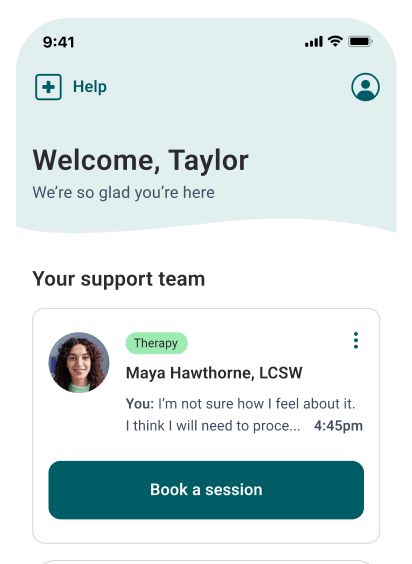
Talkspace also offers access to online therapy, which can be especially helpful for conditions like depression, anxiety, OCD, or PTSD. Combining medication with therapy provides an opportunity to discuss your feelings and receive guidance as your treatment evolves. Talkspace helps you stay consistent because of its convenience: app-based scheduling, at-home appointments, and ongoing check-ins that fit around work, school, or caregiving responsibilities.
Connect with a licensed therapist today to learn more and take the next step in your mental health journey.
Frequently Asked Questions (FAQs)
Can I take Zoloft at night?
Yes, Zoloft can be taken at night if it causes drowsiness. If it interferes with sleep, switching to morning may help, and a licensed provider can guide timing adjustments.
Is it safe to drink coffee with Zoloft?
Caffeine is generally safe but may increase jitteriness or restlessness in some people. If anxiety worsens, reducing caffeine intake may help.
How long should I stay on Zoloft after I feel better?
Many providers recommend continuing treatment for six to twelve months after symptoms improve. This helps reduce the risk of symptoms returning.
What does Zoloft do to a person?
Zoloft works by increasing serotonin levels in the brain, a neurotransmitter associated with feelings of well-being and happiness. It helps improve mood, reduce anxiety, and stabilize emotions, contributing to better mental health overall.
Is Zoloft good for anxiety?
Yes, Zoloft is FDA-approved for several anxiety-related conditions and widely prescribed in clinical practice. A licensed provider can help determine whether Zoloft is an appropriate option based on your symptoms and history.
What should I avoid when taking Zoloft (sertraline)?
While taking Zoloft, avoid alcohol, as it can increase side effects like dizziness or drowsiness. Certain supplements and medications, including St. John’s wort, may also interact with Zoloft and should be reviewed with a licensed provider.
Is Zoloft (sertraline) a strong antidepressant?
Yes, Zoloft is a widely used SSRI that’s effective for treating major depressive disorder and several anxiety-related conditions.
Does Zoloft make you gain weight?
Weight changes are a possible side effect of Zoloft, with some individuals experiencing weight gain. It’s important to discuss any concerns about weight changes with a healthcare provider, who can offer guidance or adjust treatment as necessary.
Does Zoloft give you energy?
Some individuals may experience increased energy levels or feel more awake after taking Zoloft due to its effects on mood and anxiety. However, reactions to the medication vary, and some may not notice a change in energy levels.
At what age can Zoloft be prescribed?
Zoloft is FDA-approved for OCD in children 6 and older. It may be prescribed off-label for other conditions under supervision.
Is Zoloft safe for teens?
When prescribed and monitored by a health care professional, Zoloft is generally considered safe for teens. It is FDA-approved for treating OCD in children 6 and older and is often used off-label for depression and anxiety disorders.
How long does it take for Zoloft to work for teens?
It can take 4 to 6 weeks to feel the full effects of Zoloft, though some teens might start noticing improvements in mood or anxiety earlier. Patience is important, and it’s best to keep regular check-ins with your health care professional during this time.
Sources:
- U.S. Food and Drug Administration. Zoloft (sertraline hydrochloride) prescribing information. FDA. https://www.accessdata.fda.gov/scripts/cder/daf/index.cfm?event=overview.process&ApplNo=019839. Revised 2023. Accessed February 11, 2026.
- Lydiard RB, Perera P, Batzar E, Clary CM. From the bench to the Trench. The Primary Care Companion to The Journal of Clinical Psychiatry. 1999;01(05):154-162. doi:10.4088/pcc.v01n0504.https://www.ncbi.nlm.nih.gov/pmc/articles/PMC181082/. Accessed February 11, 2026.
- Yan N, Hu S. The safety and efficacy of escitalopram and sertraline in post-stroke depression: a randomized controlled trial. BMC Psychiatry. 2024;24(1):365. Published 2024 May 15. doi:10.1186/s12888-024-05833-w. https://pubmed.ncbi.nlm.nih.gov/38750479/. Accessed February 11, 2026.
- Freeman EW, Sondheimer SJ. Premenstrual dysphoric disorder: Recognition and treatment. The Primary Care Companion to The Journal of Clinical Psychiatry. 2003;05(01):30-39. doi:10.4088/pcc.v05n0106.https://www.ncbi.nlm.nih.gov/pmc/articles/PMC353031/. Accessed February 11, 2026.
- Hobgood CD, Clayton AH. Sertraline in the treatment of panic disorder. Drugs Today (Barc). 2009;45(5):351-361. doi:10.1358/dot.2009.45.5.1362066.https://pubmed.ncbi.nlm.nih.gov/19584964/. Accessed February 11, 2026.
- Liebowitz MR, DeMartinis NA, Weihs K, et al. Efficacy of sertraline in severe generalized social anxiety disorder. The Journal of Clinical Psychiatry. 2003;64(7):785-792. doi:10.4088/jcp.v64n0708.https://pubmed.ncbi.nlm.nih.gov/12934979/. Accessed February 11, 2026.
- Brar J, Sidana A, Chauhan N, Bajaj MK. Early improvement as a predictor of treatment response in patients with obsessive-compulsive disorder: a 12-week randomized trial of sertraline and fluvoxamine. The Primary Care Companion for CNS Disorders. 2022;24(2). https://pubmed.ncbi.nlm.nih.gov/35364630/. Accessed February 11, 2026.
Talkspace articles are written by experienced mental health-wellness contributors; they are grounded in scientific research and evidence-based practices. Articles are extensively reviewed by our team of clinical experts (therapists and psychiatrists of various specialties) to ensure content is accurate and on par with current industry standards.
Our goal at Talkspace is to provide the most up-to-date, valuable, and objective information on mental health-related topics in order to help readers make informed decisions.
Articles contain trusted third-party sources that are either directly linked to in the text or listed at the bottom to take readers directly to the source.