




Research shows that, for many people, virtual therapy can be just as effective as traditional in-office care. As more people turn to online sessions for convenience and accessibility, understanding how each therapy format works can help you choose the option that best supports your mental health.
Both virtual and in-person therapy offer unique advantages, but the right fit depends on your individual needs, lifestyle, and comfort level. This guide breaks down how each approach compares, allowing you to make an informed decision about your care. Read on to learn more about in-person therapy vs. virtual therapy.
What the Research Says About Effectiveness
An abundance of research supports both online and in-person therapy models. Studies continue to show that online therapy is as effective as in-person treatment, especially when treating common mental health conditions like depression, anxiety, and PTSD.
Research from Talkspace also supports the effectiveness of virtual care. In a study of 10,000+ participants, more than two-thirds saw a reduction in symptoms of depression after three months of treatment via two-way messaging, video, or live chat. These results suggest that virtual therapy isn’t just convenient—it can deliver meaningful clinical improvement.
Why online therapy works for many people
For many people, being able to connect with a therapist from home makes it easier to stick with their treatment plan. If you’re feeling anxious about therapy, attending sessions online from a familiar space could alleviate some of that anticipatory stress. Virtual therapy sessions also remove some of the biggest barriers to care, like travel, scheduling, and childcare.
“Virtual therapy can yield results that make it just as effective and impactful as in-person therapy. This can be facilitated by factors such as convenience, accessibility, and the client's ability to be able to communicate with their provider via messaging. This increases feelings of consistent support. Virtual therapy is ideal for those clients who may live in rural areas where mental health services may be at a significant distance, as well as individuals who have a consistently busy schedule and may not have time for in-person therapy.”
- Talkspace therapist Jay Swedlow, LPC
Consistency is key to effective outcomes
When you stay consistent with ongoing therapy, whether you’re using in-person or virtual therapy, you’re more likely to feel better faster. You might actually get more out of a virtual experience, though, because the care is convenient, comfortable, and affordable.
The Role of Communication in Therapy Effectiveness
Communication is one of the strongest predictors of successful therapy. While techniques and treatment models are important, how clearly you can express yourself and how connected you feel during sessions can significantly affect your progress. The format you choose plays a big role in that experience.
Below are the four main ways people communicate in therapy, and how each one can impact your comfort and outcomes:
1. Text therapy
Messaging gives you the time and space to slow down, allowing you to think about what you want to say. It often relieves pressure because you don’t feel like you have to respond instantly, as you might with in-person care. It can be easier to share complicated feelings and be vulnerable when you’re not sitting across from a therapist. Writing is also therapeutic, and when feedback comes at a slower pace, it can be less overwhelming.
2. Phone sessions
Talking on the phone conveys a tone that messaging often misses. Without video, you might feel less exposed and more willing to open up about things you find difficult to say face-to-face. However, you might feel that not being able to see your therapist’s reactions, facial expressions, or body language stalls your progress.
Licensed Therapists Online
Need convenient mental health support? Talkspace will match you with a licensed therapist within days.
Start therapy3. Video therapy
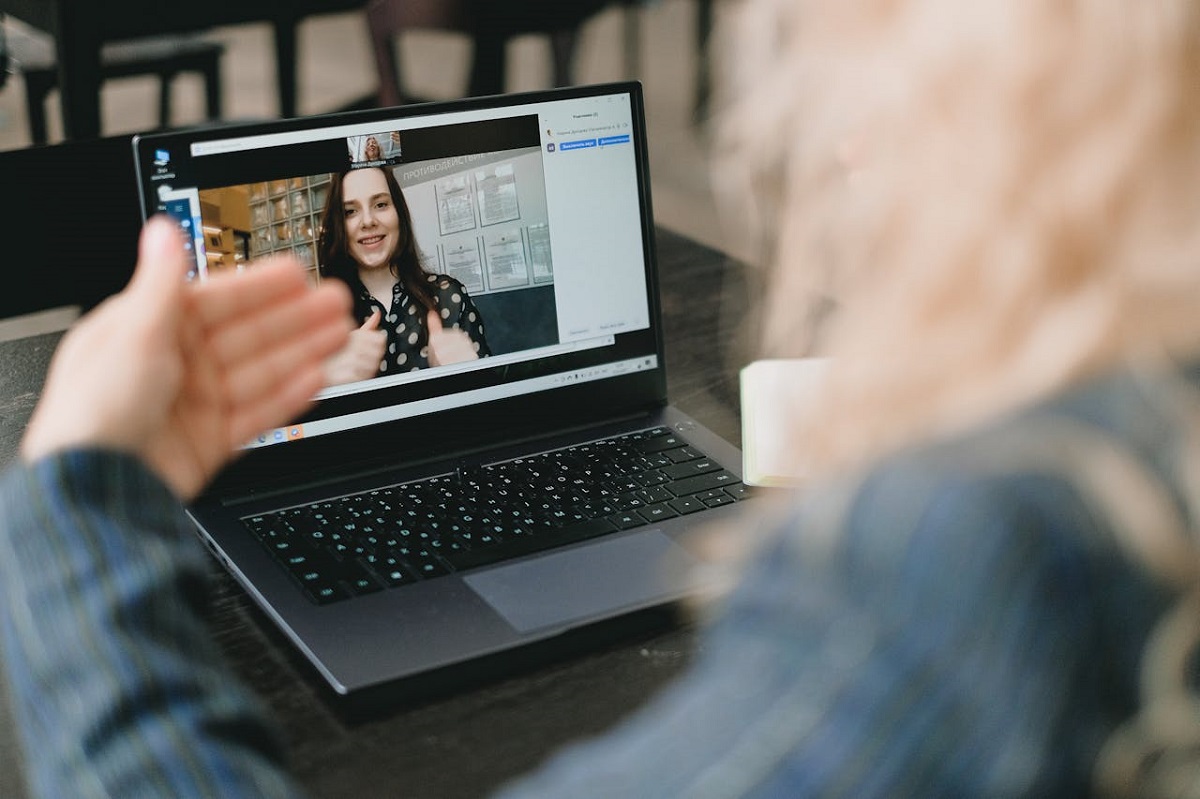
Because video lets you see your therapist’s facial expressions and reactions, it can bring the warmth of in-person sessions. Therapists are trained to use eye contact, body language, smiles, and attentive listening skills to help you feel safe, seen, and understood. Telehealth sessions can foster trust and provide real-time feedback, offering a supportive and emotional connection.
4. In-person sessions
When you meet in a therapist’s physical office, you’re in a neutral space, which can be important if you’re dealing with trauma or feel unsafe in any aspect of your life. Face-to-face sessions also might offer a more direct and deeper connection, especially if nonverbal cues or physical presence matter to you.
“When working through an online platform, it is important to work to build rapport and help foster feelings of support. This can be achieved through frequent communication, and offering communication via text. Practicing active listening skills as well as being empathic, as self-disclosure can aid in building feelings of trust and connection with clients.”
- Talkspace therapist, Jay Swedlaw, LPC
Pros and Cons of Virtual Therapy
Like anything, virtual therapy has advantages and disadvantages.
Benefits
There are several advantages to online mental healthcare. Some of the obvious benefits include:
- You don’t have to drive anywhere
- Sessions fit more easily into your schedule
- There’s added privacy if you don’t want to sit in a waiting room
- Costs are often lower
- You might feel more open in a familiar space
Limitations
Of course, there are some limitations to virtual therapy sessions as well. For example, you might notice:
- Tech issues can interrupt a session
- Subtle body language can be harder to read
- Crisis situations usually require in-person or emergency care
“Verbalizing to clients that a provider has experienced what they are going through, as well as assuring clients that they are not alone in how they are feeling, can help to provide a feeling of emotional presence and emotional connection.”
- Talkspace therapist, Jay Swedlaw, LPC
Pros and Cons of In-Person Therapy
It’s also worth considering what in-person care offers, so you can weigh both options.
Benefits
The following positive sides of in-person therapy can help you make your decision:
- Stronger in-room connection
- A neutral space that’s separate from your home
- Better for complex or hands-on therapeutic approaches
Limitations
Of course, there can be challenges with in-person care as well. For example, traditional in-office sessions mean:
- You have to travel, deal with traffic, weather, parking, and find childcare, among other things
- There may be fewer scheduling options
- You might feel uncomfortable being seen walking into a therapist’s office
- You’re limited to the therapists in your city or town
When is In-Person Therapy Recommended?
That said, there are times when in-person treatment is the safer choice. It’s recommended for acute crises, severe trauma, or when substance misuse needs to be monitored. If you’re facing a mental health emergency or have a complex diagnosis, or if you’re looking for direct intervention, it might be a good idea to at least start with a traditional face-to-face interaction if possible.
How to Decide Between Virtual and In-Person Therapy
There’s no single “right” or “best” choice when it comes to deciding if online or in-person therapy is the best option. Ask yourself what you truly need right now:
- If freedom, privacy, and the ability to access sessions from home are essential to you, virtual therapy might be better.
- If you’re seeking the emotional presence of a therapist, need immediate crisis support, or know that you respond better to hands-on therapeutic techniques, in-person therapy can be more effective.
Remember: You don’t have to choose just one format. You may find that using a combination of in-person and virtual therapy yields the best results. Alternating formats will ensure your journey is balanced and flexible. The most important thing is finding a space (whether that’s virtual or in-person) where you feel heard and safe.
How Talkspace Bridges the Gap
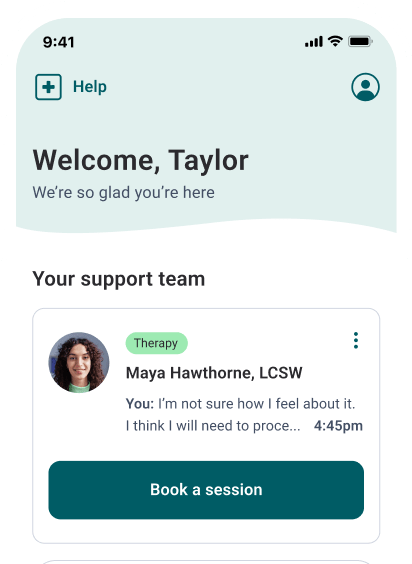
Talkspace offers an effective in-person therapy alternative with a platform that empowers members wherever they are, whenever they need help. Working with a Talkspace online therapist doesn’t mean you have to sacrifice connection or clinical quality just because the experience is virtual. With the right provider, you'll learn how to get the most out of online therapy in no time.
Whether you prefer typing out your thoughts, meeting in telehealth sessions, or alternating between online and in-person therapy, Talkspace can be part of a treatment plan that supports personal growth and healing. If you’re ready to get started, Talkspace can help you find care that fits your life.
Sources:
- Swint J, Fischer M, Zhang W, Zhang X. Therapy Without Borders: A Systematic review on Telehealth’s role in expanding mental health access. bioRxiv (Cold Spring Harbor Laboratory). Published online July 31, 2024. doi:10.1101/2024.07.30.24311208. https://www.medrxiv.org/content/10.1101/2024.07.30.24311208v1.full. Accessed November 25, 2025.
- Talkspace Research | Clinical Studies in Behavioral Health. https://www.talkspace.com/research. Accessed November 25, 2025.Talkspace therapist, Jay Swedlaw, LPC
- Hull TD, Malgaroli M, Connolly PS, Feuerstein S, Simon NM. Two-way messaging therapy for depression and anxiety: longitudinal response trajectories. BMC Psychiatry. 2020;20(1):297. doi:10.1186/s12888-020-02721-x. https://link.springer.com/article/10.1186/s12888-020-02721-x. Accessed November 25, 2025.
.jpg)