


Quick Summary
- Coming out is a brave, deeply personal choice with no right timeline; your safety and well-being always come first.
- Reflect on why you want to come out and build a strong support system of trusted friends, community, or a therapist before you do.
- Plan what you want to say in a way that feels true to you, and be prepared for a range of reactions, from rejection to eventual acceptance.
- Set healthy boundaries afterward to protect your mental health, and seek ongoing support through affirming therapy and LGBTQIA+ resources regardless of how your parents respond.
No matter what anyone may tell you, coming out is an act of courage. It takes strength and vulnerability to share your truest self with the world, especially with the people who know you the best and can potentially inflict the most damage. If you’re wondering how to come out to homophobic parents, know that you’re not alone, and your desire to live authentically is valid and brave.
This guide is here to support you in navigating this deeply personal experience. Whether you choose to come out now, later, to some and not others, or not at all, your choice is valid. There’s no universal timeline or “right way” to come out. Above all, your safety and well-being are the most important.
Ask Yourself Why You Want To Come Out
Before you craft a coming out plan, it might help to spend some time clearly defining your “why.” Reflect on what coming out means to you. Maybe you’re seeking the freedom of living openly, a deeper, more honest connection with your family, or the relief of no longer keeping secrets.
Coming out isn’t just about sharing your identity. It can also support your mental health. Research shows that when LGBTQ+ individuals feel affirmed and are able to openly express who they are, it fosters stronger psychological well-being and meaningful support.
What matters here is that the decision is coming from within. Coming out shouldn’t be about meeting expectations from others or society, but rather honoring your truth on your own timeline.
Assess Your Safety First
If your parents are homophobic, coming out may carry real risks. Your physical and emotional safety must be your top priority. Ask yourself:
- How will your family react? Could there be emotional or verbal abuse? Is your physical safety in danger?
- Would you risk losing housing, financial support, or access to education?
- If a worst-case scenario happened and you got kicked out of the house, do you have somewhere to go?
If there’s even a small chance that coming out could put you in danger, it’s okay to wait. Choosing to protect yourself doesn’t make you any less authentic or courageous.
Have a backup plan if things go south. This might mean contributing more to your emergency fund, identifying a safe person to stay with, or having a go-bag packed in case you need to remove yourself from the situation.
Build a Support System Before You Come Out
Find people who affirm and celebrate you, whether it’s a trusted friend, teacher, therapist, sibling, other family member, or online LGBTQ+ community. Having support in place will help you stay grounded before, during, and after the conversation.
Practicing what you want to say with someone safe can empower you to feel more prepared when the real talk happens. They can also offer feedback, role-play through different outcomes, and remind you of your strength through it all.
Leaning on community during tough times isn’t weakness — it’s wisdom. The stronger your foundation of support, the easier it’ll be to confront whatever lies ahead.
Plan What You Want To Say
After you’ve made the decision to come out to your parents, it’s worth taking some time to think through exactly what you want to express and how you want to say it. You don’t need to share everything right away. Hopefully, this will be the first of many open and honest conversations. Start with what feels true and safe. Consider reflecting on:
- What you want your parents to hear most clearly
- If you’re looking for their understanding and support, or just honesty
Some people want to keep it short and sweet, opting to just plainly say “I’m gay.” Others may go for something like “This is who I’ve always been, even if I haven’t said it before.” Remember, the goal here is to express yourself without convincing, defending, or apologizing for who you are.
You might want to write it out ahead of time or rehearse with a friend to calm your nerves before the conversation. If speaking face-to-face feels too daunting, it’s perfectly okay to communicate via handwritten letter, email, phone call, or text.
Prepare for Different Outcomes
You may already have an idea of how you think your family will respond, but it’ll still help to be prepared for a range of possibilities. Common reactions can include:
- Confusion: “I just don’t understand.”
- Denial: “This is just a phase.”
- Anger: “This isn’t how we raised you.”
- Silence or withdrawal
- Conditional support: “We love you, but we don’t approve.”
- Full support: “Thank you for telling us. We love you no matter what.”
How would you respond to each possibility? What would you say if they reacted with hurtful words? What would you do if they surprise you with kindness and unconditional acceptance?
“In my practice, what I have often heard from parents who are not immediately accepting is that they think that their child’s sexuality is somehow the result of how they were raised. They look to themselves as a potential reason as far as why their child is different. With respect to emotionally preparing to come out, it’s important to remember that just as it likely took you some time to come to terms with your own sexuality and maybe struggle to accept yourself at first, your parents may also need time to come to accept you.”
- Talkspace therapist Jay Swedlaw, LMHC
If things get tough, have a plan for grounding yourself, whether that means calling a friend, journaling for your mental health, leaving the house to get some space, or spending a few days with a supportive ally. No matter what happens, your parents’ reaction isn’t a reflection of your worth, and you’re not responsible for their homophobic beliefs or behavior.
“It is important to set reasonable expectations. People may not be immediately accepting of this. But in many cases, people do come around, but that does take some time. So it is very important to expect this to begin with.”
- Talkspace therapist Jay Swedlaw, LMHC
Choose the Right Time and Method
Timing can make a world of difference. Arguments or stressful situations probably aren’t the right time. Instead, choose a quiet, low-stakes moment that feels amenable to reflection and calm conversation. Again, you do not have to come out in person if it feels unsafe. Use the format that best supports your voice and personal well-being.
Keep the Focus on Your Truth
If you’re still struggling to figure out how to come out to homophobic parents, it may help to stay rooted in your own experience by using “I” statements, like:
- “I want to share something that matters deeply to me.”
- “This is who I am.”
- “This is a part of me that I’ve come to understand more deeply.”
No matter what reactions you’re met with, you don’t have to explain or justify your identity. You don’t need to convince them to change their beliefs. If your parents are homophobic, changing their minds may take time, or may never happen at all. The onus isn’t on you to do that.
“It is also important to recognize that even if you are met with invalidating responses, people are allowed to have their opinions and thoughts on this. But we are not dictated or determined based on the opinions of those around us with respect to our sexuality.”
- Talkspace therapist Jay Swedlaw, LMHC
Set Boundaries After You Come Out
After you’ve officially come out, you may need to protect your peace in the days and weeks that follow. It’s okay to set healthy family boundaries. This might sound like:
- “I’m not open to discussing this further right now.”
- “I won’t tolerate disrespect.”
- “If you continue talking to me this way, I’ll need to limit contact.”
Boundaries are not punishments, but tools we use to protect our mental and emotional health. If you have toxic parents who respond with hostility or anger, having clear limits can help support self-respect and safety.
“Remember that guilt is a normal emotion. Most people experience guilt at some point. However, we must recognize that while the feeling itself is valid, because a person knows what they are experiencing, there is a major difference between something that is valid and something that is justified. To justify feelings of guilt, one must be able to point to something that they have done that is definitively and objectively wrong. Being true to oneself and being authentic about sexuality is not something that is wrong. It is exactly what should happen.”
- Talkspace therapist Jay Swedlaw, LMHC
Seek Ongoing Support — Whatever Happens
Whether you're coming out as trans, gay, or fall anywhere else on the spectrum, you deserve ongoing care and support, no matter how your family reacts. Finding a LGBTQIA+ friendly therapist and talking with one can help you process the experience, rebuild confidence, and make sense of complex emotions. There are also organizations, hotlines, and communities dedicated to supporting you:
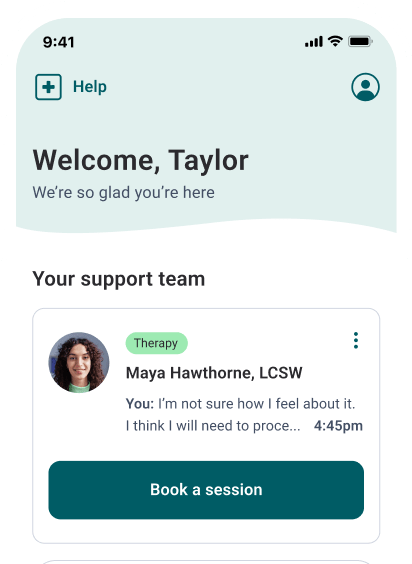
Talkspace offers online affirmative therapy that can help you create a safety plan, cope with rejection, or rebuild self-trust from the comfort and safety of your own home. Remember, your identity is not a burden, disappointment, or source of shame. It’s your truth, and you deserve to feel heard, seen, and valued. Get support today with LGBTQIA+ therapy at Talkspace.
Sources:
- Understanding sexual orientation and homosexuality. American Psychological Association website. Published October 29, 2008. Accessed August 7, 2025. https://www.apa.org/topics/lgbtq/orientation
Talkspace articles are written by experienced mental health-wellness contributors; they are grounded in scientific research and evidence-based practices. Articles are extensively reviewed by our team of clinical experts (therapists and psychiatrists of various specialties) to ensure content is accurate and on par with current industry standards.
Our goal at Talkspace is to provide the most up-to-date, valuable, and objective information on mental health-related topics in order to help readers make informed decisions.
Articles contain trusted third-party sources that are either directly linked to in the text or listed at the bottom to take readers directly to the source.