




Key Takeaways
- Depression affects both partners, not just the person experiencing symptoms, often creating emotional distance and changing relationship dynamics.
- Communication and emotional closeness typically shift as depression symptoms develop, requiring both partners to address these changes together.
- With proper support, adjusted expectations, open communication, and collaborative effort, partners can protect their connection and maintain a strong relationship.
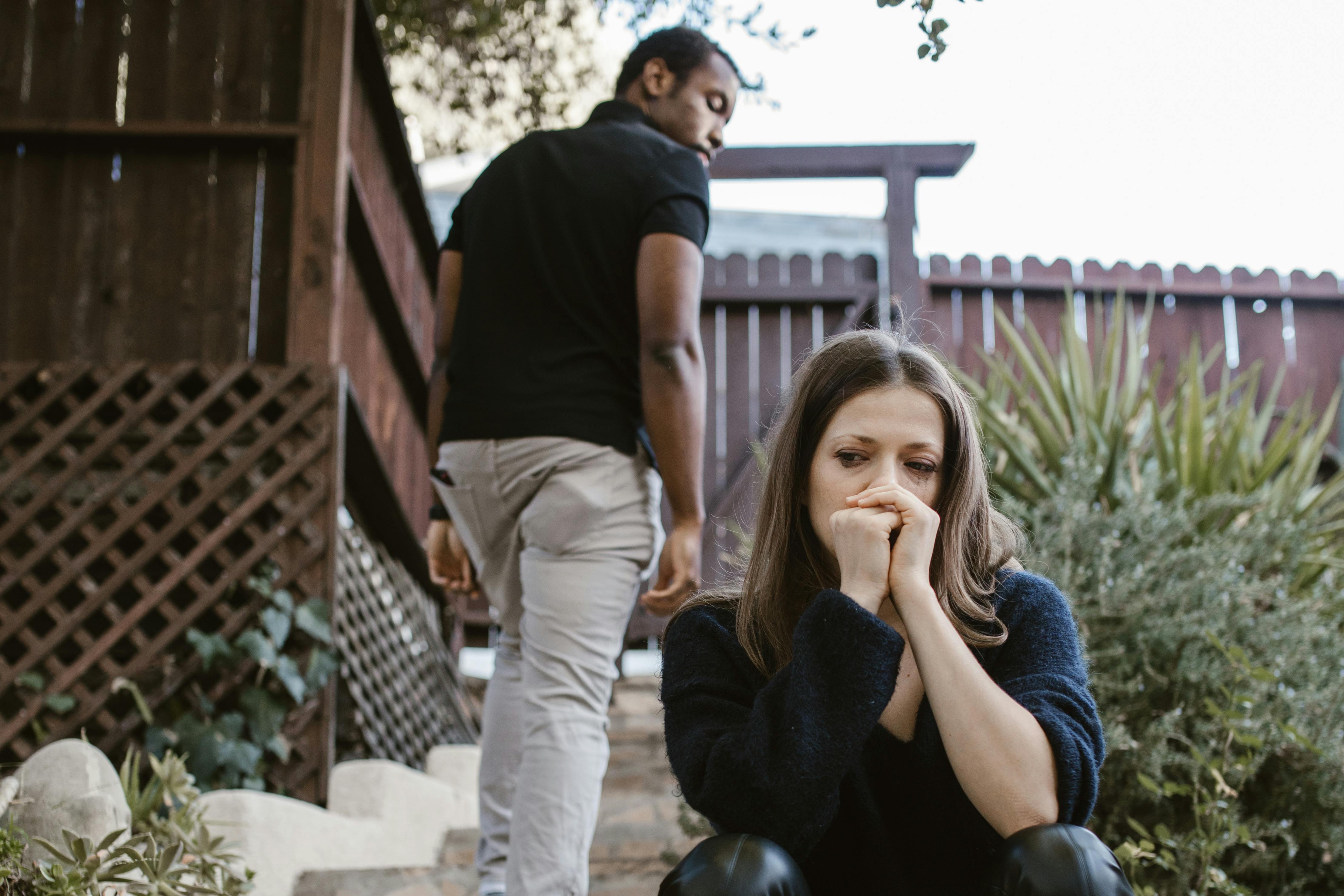
When your partner has depression, it hits both of you. The way you talk changes. The closeness isn't there like it used to be. Everything just feels harder. Your partner pulls away, nothing you try seems to help, conversations feel impossible, and you're completely exhausted. That's how depression affects relationships, and it's really difficult.
According to the National Alliance on Mental Illness, 23.4% of U.S. adults experienced mental health challenges in 2024. That's more than 1 in 5 adults. Maybe that's you or someone you know. But you don't have to go through it alone. You can support your partner while still taking care of yourself and the relationship.
Understanding Depression and Its Ripple Effects
Clinical depression, also called major depressive disorder (MDD), is a mental health condition that can affect a significant part of your life, including your mood, behavior, thoughts, sleep, and appetite.
It affects how people experience their emotions and their energy. It can make everyday interactions feel heavier and reduce the capacity to engage in ways that once felt natural. Over time, even small relationship moments require more effort than expected.
Within a relationship, these changes often appear as withdrawal rather than disinterest. A partner may communicate less or seem emotionally distant, even when care and commitment remain strong. Depression limits emotional and physical resources, which can make connections harder to sustain. When these shifts are misunderstood, they can place pressure on even stable relationships.
" The most important things I would like couples to understand about depression in a relationship is that it is not an attack against the partner. They are not being unreasonable or selfish when they are suffering from depression. Although it may appear that they are disconnecting from you, please do not take it personally. They are not connecting due to not being able to mentally connect to anything. Understanding this condition is key to the journey back to connection."
- Talkspace Therapist, Dr Karmen Smith LCSW DD
How Depression Affects a Relationship Day to Day
Depression quietly changes how couples go about their day. Small things that used to be easy, like checking in after work or making plans for the weekend, suddenly feel harder or just stop happening. Partners find themselves overthinking every interaction, worrying about what's changed and why, which is when many start looking for how to stop overthinking in a relationship.
Withdrawal and isolation
People living with depression may pull back socially or emotionally. This withdrawal can leave partners feeling shut out or unsure how to help, especially if communication decreases without explanation.
Someone living with depression might spend more time alone, cancel plans frequently, or seem distant even when physically present. Over time, this pattern can create a sense of disconnection that affects both partners, making it difficult to maintain the closeness the relationship once had.
Communication breakdown
Depression often makes it harder for couples to communicate effectively. Partners may struggle to share concerns or respond in ways that feel supportive, which can weaken understanding.
Conversations that used to flow naturally might now feel strained or end in misunderstandings. The partner with depression may have trouble expressing their needs, while the other partner might not know what to say or worry about saying the wrong thing.
What Are the Signs Your Relationship is Struggling with Depression?
Depression doesn’t always look the same in every relationship, but certain patterns tend to appear when it begins to affect the partnership.
Online therapy for depression
You don't have to deal with depression alone. Get an appointment from home within a few days.
Get startedIncreased emotional distance and withdrawal
Partners may feel emotionally disconnected even when they're in the same room. This distance builds gradually and can look like a loss of interest or affection, which becomes especially challenging for partners who are already working on overcoming insecurity in relationships.
Constant conflict over minor issues
When emotional resources are limited, small stressors can trigger outsized reactions. Frequent arguments may mask underlying exhaustion or frustration linked to depression, sometimes leading couples to consider taking a break in a relationship without fully understanding what’s driving the tension.
Sudden loss of intimacy (physical and emotional)
Depression can cause intimacy to fade in ways that feel abrupt and confusing to both partners. Physical affection may decrease alongside emotional closeness as symptoms like exhaustion, numbness, and low mood make connection feel overwhelming.
With persistent depressive disorder, these changes may last for months or even years, creating ongoing challenges for the relationship. This shift typically reflects the impact of depression rather than changes in love or commitment. Recognizing that reduced intimacy is a symptom helps partners avoid misinterpreting it as rejection or disinterest.
Feeling like a caretaker, not a partner
One partner may take on extra emotional or practical responsibilities. Over time, this imbalance can change how the relationship feels. The supporting partner might handle most household tasks, decision-making, and emotional labor while their own needs go unaddressed. This shift leads to exhaustion and a sense that the partnership has become one-sided, even when both people care deeply about each other.
Mutual resentment and frustration
Without open conversation, both partners may feel misunderstood. Resentment can build even when both people are doing their best. The partner with depression might feel guilty or like a burden, while the supporting partner may feel overwhelmed and unappreciated. Over time, these unspoken feelings create distance and tension that make it even harder to connect and support each other.
Action Plan: How to Manage Depression in Relationships
Depression affects both partners, so managing it works best when you tackle it together. When one person carries the burden alone, whether it's the person with depression trying to hide their struggles or the partner trying to solve everything, the relationship suffers. The following steps can help couples adapt without placing blame on either partner:
1. Practice open, scheduled communication
Regular check-ins create space to talk without pressure. Short, planned conversations can feel safer than addressing problems only during conflict. Pick a specific time each week when you're both relatively calm and can talk without distractions. Keep these conversations focused on how you're both feeling rather than solving every problem at once.
2. Set realistic household expectations
Depression may temporarily change what each partner can manage. Adjusting responsibilities together can reduce stress and prevent resentment. This might mean letting some things slide for a while or dividing tasks differently than you used to. What matters is finding a balance that works for where you both are right now, not where you think you should be.
3. Schedule shared mood-boosting activities
Low-pressure activities, such as short walks or shared meals, can support connection without overwhelming either partner. Over time, these moments may also help couples explore how to reignite the spark in a relationship when depression has created distance.
It is important to choose activities that don't require much energy or planning. Even sitting together while watching something you both enjoy can help maintain a sense of togetherness.
4. Encourage professional support early
Treatment can help individuals manage symptoms, while couples therapy can address how depression affects the relationship as a whole. The sooner you both get support, the less strain depression puts on the relationship. Many couples find that getting help early makes things easier to manage. Waiting usually just makes it harder for both of you.
"It is always a good idea when a partner is seeking treatment for depression, anxiety, or any emotional health issue to offer to attend with them anytime they are ready. Keeping the door open when issues come up so that they can understand better is a wonderful way to enter any type of treatment."
- Talkspace Therapist, Dr Karmen Smith LCSW DD
Partner Self-Care: Staying Healthy While You Help
Supporting someone with depression takes a lot out of you. You might feel guilty when you need a break or frustrated when your own needs get pushed aside. These feelings are normal and you're not wrong for having them.
Maintaining personal boundaries, staying connected to supportive people, and recognizing limits can help prevent burnout. Caring for yourself is not separate from caring about your partner. It protects the long-term health of the relationship.
When to Seek Professional Help Together
Couples may benefit from professional support when depression consistently affects communication, intimacy, or emotional safety. Warning signs include ongoing conflict, emotional withdrawal that doesn’t improve, or feeling stuck in unhelpful patterns.
When these things keep happening, it might be time to talk to someone. Talkspace offers online couples therapy that helps partners address these challenges in a supportive, structured environment. Working with a licensed therapist can help couples understand how depression affects their dynamic and learn healthier ways to respond together.
Frequently Asked Questions
Can I make my partner’s depression better?
You can be a steady source of support, but you can't resolve your partner's depression for them. Encouragement and patience can make a meaningful difference, but treatment and professional care are often essential for managing symptoms. Supporting your partner works best when it complements outside help.
Is it normal to feel resentful when a partner has depression?
Yes, resentment can develop when emotional or practical needs go unmet for long periods. These feelings don’t mean you care less about your partner, but they often signal that the balance in the relationship needs attention. Acknowledging resentment early and talking about it openly can help prevent deeper strain over time.
How can I discuss treatment options without coming across as critical?
Approach the conversation from a place of concern rather than frustration. Talk about what you've noticed and how it's affecting you instead of focusing on what your partner needs to change. Talking about treatment as support for both of you, not as something wrong that needs correcting, makes it easier for your partner to hear.
Sources:
- National Alliance on Mental Illness. Mental health by the numbers. National Alliance on Mental Illness. https://www.nami.org/mental-health-by-the-numbers/. Reviewed/updated 2025; accessed January 15, 2026.
Talkspace articles are written by experienced mental health-wellness contributors; they are grounded in scientific research and evidence-based practices. Articles are extensively reviewed by our team of clinical experts (therapists and psychiatrists of various specialties) to ensure content is accurate and on par with current industry standards.
Our goal at Talkspace is to provide the most up-to-date, valuable, and objective information on mental health-related topics in order to help readers make informed decisions.
Articles contain trusted third-party sources that are either directly linked to in the text or listed at the bottom to take readers directly to the source.