




Therapy can be a life-changing experience, but it’s not always accessible or the right fit for everyone. Barriers to care can include cost, availability, comfort level, and personal preference. While talk therapy (also known as psychotherapy) has been proven effective in studies, there are several alternatives to therapy that can be another option. Some evidence-based therapy alternatives can promote emotional wellness.
Read on to learn proven effective strategies and tools you can use, with or without therapy, to enhance your mental health and well-being.
Why Someone Might Seek Alternatives to Therapy
There are many reasons why you might hesitate to start (or stick with) traditional talk therapy. Everyone’s situation is different, but some common barriers include:
- Limited time: Weekly sessions can be difficult to fit into a busy schedule.
- Slow results: Progress in therapy often takes time, which may feel discouraging if you’re looking for quicker relief.
- Consistency challenges: Staying engaged and attending regularly can be difficult, although consistency is key to achieving meaningful improvement.
- High cost: Therapy can be expensive, and not everyone has insurance coverage that makes it affordable.
- Travel or accessibility barriers: In-person sessions require commuting, which adds extra time and may not be feasible for everyone.
- Emotional overwhelm: The process can feel intense, especially if opening up about personal experiences is difficult or triggering.
- Discomfort with vulnerability: Successful therapy requires honesty and emotional openness, which may feel intimidating if you’ve experienced trauma or struggle to trust others.
- Stigma or self-judgment: You may feel embarrassed, ashamed, or worried about how others will perceive your choice to seek therapy, even though mental health support is incredibly common.
- Lack of personalization: Some therapy formats may not align with your comfort level, needs, or treatment goals.
- Past negative experiences: A bad therapist or approach can make you hesitant to try again.
“At times, if a client is experiencing moderate to severe symptoms of anxiety, depression, or PTSD, they may find therapy to be overwhelming and worsen their symptoms. There may be other limiting factors, such as finances, timing, or even access or availability. Another factor may be a client’s previous negative experience with therapy that increases their hesitation to try again ”.
- Talkspace psychiatric provider, Svetlana Stuck, PA-C
Lifestyle-Based Alternatives to Therapy
Caring for your mental health doesn’t mean you have to sit in a therapist’s office. If you’re looking for lifestyle-based alternatives to therapy, several practices have shown promise.
What you do with your mind, body, and daily routines can be just as important and effective as formal therapy. Lifestyle therapy alternatives can include movement, mindfulness, and breathwork—all of which can help regulate the nervous system and boost mood.
Exercise and movement therapy
Exercise and movement are powerful ways to stay grounded and enhance your mental well-being. Research shows that working out lowers symptoms of depression and anxiety.
An exercise-based approach can also improve brain function, reduce stress, and enhance sleep, self-esteem, and social support. If you’ve ever experienced a shift in mood or lifted spirits after going for a walk or doing a workout, this is your body’s natural way of helping you heal and regulate your emotions.
Mindfulness and meditation practices
Mindfulness and meditation are two effective ways to calm racing thoughts and create emotional balance in your life. Focusing your attention on the present can reduce anxiety and stress over time. Mindfulness practices are often used in addition to talk therapy because these techniques can work together to help you build skills to manage your emotions in healthy ways.
“Mindfulness and meditation practices can help relax the nervous system and lower stress levels. Exercise and movement can also increase stress relief and increase stress resilience.”
- Talkspace psychiatric provider, Svetlana Stuck, PA-C
Yoga and breathwork
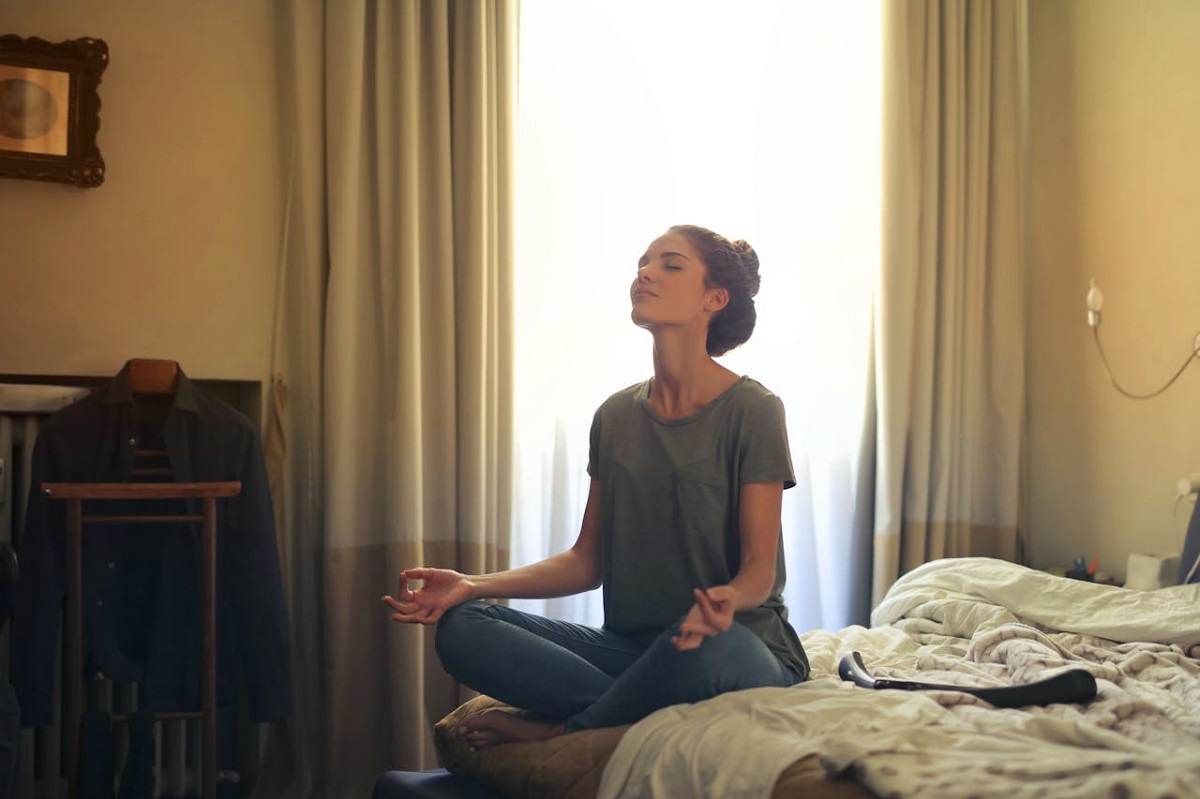
Yoga and breathwork help you stay centered, focused, and strong (emotionally and physically). Research suggests that breathwork can reduce stress and improve mental health. Studies show that yoga can enhance lifestyle habits that positively impact mental health, including improved sleep and mood. Combined, these practices can benefit your overall emotional state and well-being.
Creative & Expressive Alternatives to Therapy
If expressing yourself verbally is challenging, you may want to consider alternative forms of therapy that are more creative or expressive. Art, music, dancing, and writing can help you process your emotions and tell your story. These approaches can provide relief when the idea of talking or being vulnerable feels scary or overwhelming.
Licensed Therapists Online
Need convenient mental health support? Talkspace will match you with a licensed therapist within days.
Start therapyArt therapy
Art therapy is a mental health treatment that utilizes creative activities such as drawing, painting, sculpting, or collage to help individuals explore their thoughts, feelings, and experiences. Guided by a trained art therapist, you use art-making as a way to communicate and process emotions that you struggle to find the words to explain.
According to research, trauma-focused art therapy (TFAT) can reduce anxiety, depression, and trauma-related symptoms. If discussing your experience is challenging, creativity can provide a nonverbal outlet that helps you process your emotions and regain control.
Music or dance therapy
Music and dance therapy use rhythm, sound, and movement to help you connect with your emotions. Studies show that music can significantly improve mental well-being, and dance therapy may be beneficial for addressing psychological and physiological symptoms related to trauma. If moving your body or expressing yourself through sound brings you comfort, consider music and dance therapy.
Journaling and writing therapy
Studies show that journaling for mental health can reduce stress and anxiety, offer insight into your emotional life, and help you cope. Writing can be a private place to explore your thoughts and feelings about a past experience or something you’re currently going through. Journaling can be an effective way to ground yourself and heal.
Connection-Based Alternatives to Therapy
Your healing journey doesn’t have to happen in isolation. Connection-based alternatives to therapy can be validating and remind you that you’re not alone. Peer support, community spaces and events, spiritual care, and spending time with animals are all ways to engage in self-care and heal in comfortable ways.
Peer support and community groups
Seeking support from peers or in community groups gives you access to people who understand what you’re going through. Whether it’s in-person or online, sharing your story—and hearing others' experiences—can be both motivating and cathartic.
Online options, such as virtual support groups or forums for shared struggles, create a sense of community, support, and companionship. They can help when you’re grieving or trying to navigate anxiety or depression.
Animal-assisted therapy or pet companionship
In studies, pet companionship and animal-assisted therapy were found to offer benefits for treating anxiety, depression, PTSD, and some mood or psychotic disorders. Interacting with animals can reduce stress hormones and boost connection.
Faith-based or spiritual support
Many people find comfort in faith-based and spiritual support. Research suggests that faith communities have become effective partners in supporting mental health today. Whether it’s through prayer, meditation, or simply by being connected to your faith group, you might find emotional healing and forgiveness through spiritual practices.
Digital & Self-Guided Mental Health Tools
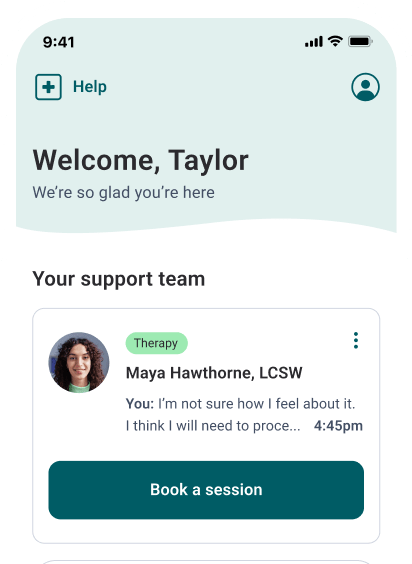
If therapy is inaccessible, cost-prohibitive, or feels like more than you can take on, digital and self-guided tools are available when, where, and how you need them. They can help you start to care for your mental health in ways that work for you, regardless of time and location.
Mental health apps, self-help books, and podcasts can be a flexible alternative to therapy. They can teach you new skills, help you track your emotions, and provide coping mechanisms.
Mental health apps
In recent years, mental health apps have gained significant popularity. Research shows they work and can be an affordable option when a traditional therapist is not available.
They’re often available at a lower cost than traditional therapy, making them appealing if you have financial concerns or don’t have insurance. Today’s apps offer features like guided meditations, mood tracking, and cognitive-behavioral tools. Some even provide a level of therapist interaction.
Self-help books and podcasts
Self-help books and mental health podcasts can help you cope while allowing you to heal at your own pace. You can learn coping skills on your own time and find expert advice, stories you relate to, and exercises to use in the comfort of your own home.
When to Reconsider Professional Help
Therapy alternatives can offer effective relief in many cases, but sometimes professional support is necessary. If you’re experiencing persistent feelings of hopelessness or worthlessness, thoughts of self-harm, or finding it difficult to manage your daily life and responsibilities, it might be time to reach out to a mental health professional. Signs like these indicate that you need specialized care and intervention to fully heal.
Integrating Alternatives with Therapy
Therapy doesn’t have to be your only resource on your mental health journey. You may derive the greatest benefits by combining professional guidance with complementary treatments such as mindfulness, journaling, or exercise. Self-directed tools, used alongside therapy, create a more holistic approach to mental health.
“Combining multiple modalities like therapy, mindfulness, journaling, and exercise can help increase coping strategies, improve symptoms, and allow the nervous system to feel more at ease and able to de-stress and thus potentially increase stress resilience.”
- Talkspace psychiatric provider, Svetlana Stuck, PA-C
Finding Personalized Support That Fits Your Life
Exploring alternatives to therapy can be an important step in taking care of your mental health, especially if traditional therapy has felt overwhelming, inaccessible, or simply not right for you in the past. Cost, time, stigma, discomfort with vulnerability, and negative experiences are real barriers. It makes sense that you might look for other ways to support yourself.
At the same time, you may reach a point where having a trained professional in your corner feels helpful, even if you’re not ready for (or interested in) a traditional therapy setting. This is where Talkspace can offer another type of option.
Talkspace was built with these barriers in mind. Online therapy allows you to message or meet with a licensed therapist from home, at times that fit your schedule, and at a lower cost than many in-person settings. You don’t have to sit face-to-face in an office, and you don’t have to open up before you’re ready—your therapist can support you at your pace. Learn more and see if Talkspace offers an approach you’ve been looking for.
Sources:
- Cook SC, Schwartz AC, Kaslow NJ. Evidence-Based Psychotherapy: Advantages and challenges. Neurotherapeutics. 2017;14(3):537-545. doi:10.1007/s13311-017-0549-4. https://pmc.ncbi.nlm.nih.gov/articles/PMC5509639/. Accessed November 24, 2025.
- Hossain MN, Lee J, Choi H, Kwak YS, Kim J. The impact of exercise on depression: how moving makes your brain and body feel better. Physical Activity and Nutrition. 2024;28(2):43-51. doi:10.20463/pan.2024.0015. https://pmc.ncbi.nlm.nih.gov/articles/PMC11298280/. Accessed November 24, 2025.
- Mindfulness Meditation: a research-proven way to reduce stress. American Psychological Association. October 30, 2019. https://www.apa.org/topics/mindfulness/meditation. Accessed November 24, 2025.
- Fincham GW, Strauss C, Montero-Marin J, Cavanagh K. Effect of breathwork on stress and mental health: A meta-analysis of randomised-controlled trials. Scientific Reports. 2023;13(1):432. doi:10.1038/s41598-022-27247-y. https://www.nature.com/articles/s41598-022-27247-y. Accessed November 24, 2025.
- Novotney A. Yoga as a practice tool. American Psychological Association (APA). 2009;40(10):38. https://www.apa.org/monitor/2009/11/yoga. Accessed November 24, 2025.
- Haeyen S, Wanten F. Effectiveness of Trauma-Focused Art Therapy (TFAT) for psychological trauma: A mixed method single case study. The Arts in Psychotherapy. 2024;91:102218. doi:10.1016/j.aip.2024.102218. https://www.sciencedirect.com/science/article/pii/S0197455624001035. Accessed November 24, 2025.
- The Transformative Power of Music in Mental Well-Being. https://www.psychiatry.org/news-room/apa-blogs/power-of-music-in-mental-well-being. Accessed November 24, 2025.
- Tomaszewski C, Belot RA, Essadek A, Onumba-Bessonnet H, Clesse C. Impact of dance therapy on adults with psychological trauma: a systematic review. European Journal of Psychotraumatology. 2023;14(2):2225152. doi:10.1080/20008066.2023.2225152. https://pmc.ncbi.nlm.nih.gov/articles/PMC10334851/. Accessed November 24, 2025.
- Smyth JM, Johnson JA, Auer BJ, Lehman E, Talamo G, Sciamanna CN. Online Positive Affect Journaling in the Improvement of Mental Distress and Well-Being in General medical patients with Elevated Anxiety Symptoms: a preliminary randomized controlled trial. JMIR Mental Health. 2018;5(4):e11290. doi:10.2196/11290. https://pmc.ncbi.nlm.nih.gov/articles/PMC6305886/. Accessed November 24, 2025.
- Mental Health America. Peer support: Research and reports | Mental Health America. Mental Health America. November 19, 2025. https://mhanational.org/peer-support-research-and-reports/. Accessed November 24, 2025.
- Arsovski D. The Role of Animal Assisted therapy in the Rehabilitation of Mental Health Disorders: A Systematic literature review. Perspectives on Integrative Medicine. 2024;3(3):142-151. doi:10.56986/pim.2024.10.003. https://www.integrmed.org/journal/view.php?number=55. Accessed November 24, 2025.
- Perez LG, Cardenas C, Blagg T, Wong EC. Partnerships between faith communities and the mental health sector: A scoping review. Psychiatric Services. 2024;76(1):61-81. doi:10.1176/appi.ps.20240077. https://pmc.ncbi.nlm.nih.gov/articles/PMC12334192/. Accessed November 24, 2025.
- Linardon J, Torous J, Firth J, Cuijpers P, Messer M, Fuller‐Tyszkiewicz M. Current evidence on the efficacy of mental health smartphone apps for symptoms of depression and anxiety. A meta‐analysis of 176 randomized controlled trials. World Psychiatry. 2024;23(1):139-149. doi:10.1002/wps.21183. . Accessed November 24, 2025.
.jpg)