



Key Takeaways
- Burnout in women often begins with emotional exhaustion caused by prolonged stress and caregiving pressure.
- Structural factors like workplace inequities and caregiving demands increase burnout risk for many women.
- Evidence-based therapies such as Cognitive Behavioral Therapy (CBT), Acceptance and Commitment Therapy (ACT), and Mindfulness-Based Stress Reduction (MBSR) can help reduce symptoms of exhaustion in women and support recovery.
If you've been running on empty for months while still meeting every obligation, you already know how this feels from the inside. That bone-deep fatigue, the emotional flatness, the sense that you have nothing left to give.
Burnout rarely arrives all at once, and for many women, it builds so gradually beneath the weight of competing demands that it goes unnamed for far too long. Research published in SSM Population Health found that women in the U.S. experience serious psychological distress at twice the rate of men. This gap doesn't happen by chance. It reflects the very real, compounding pressures shaping women's daily lives.
Understanding the difference between stress and burnout, recognizing early symptoms, and learning recovery strategies can help restore balance and emotional well-being.
What is Burnout and How Does it Differ From Everyday Stress?
Burnout is defined by the World Health Organization as a syndrome that results from chronic workplace stress that has not been successfully managed. It appears in the International Classification of Diseases (ICD-11) as an occupational phenomenon rather than a medical diagnosis.
This table compares everyday stress and burnout to highlight major differences.
Burnout includes three main dimensions:
- Persistent energy depletion or exhaustion
- Mental distance or cynicism toward work
- Reduced professional effectiveness
Stress, on the other hand, is typically temporary. A demanding week at work may create stress that fades once the pressure passes.
Burnout develops when stress continues for long periods without adequate recovery. Recognizing common burnout symptoms early makes it easier to interrupt the cycle before it deepens.
“Women can tell when everyday stress has crossed the line into clinical burnout when they are not just tired but exhausted. Instead of paying attention to this sign, they decide to ‘power through it.’ Another sign is lack of deep sleep, being short-tempered or shutting down emotionally due to overload. All are signs changes are needed; if they are not addressed, physical signals may appear."
-Talkspace therapist, Dr. Karmen Smith, LCSW, DD
Which Early Warning Signs of Burnout Should Women Watch For?
The signs of burnout in women typically include persistent emotional exhaustion, reduced motivation, sleep disruption, and growing detachment from work or caregiving roles. Burnout rarely announces itself. It builds quietly over weeks or months, and many women dismiss early signals as normal fatigue or a rough season.
Some continue to show up fully at work and at home while already running on fumes, a pattern often described in high-functioning burnout. The sooner these patterns are recognized, the sooner they can be addressed.
Physical and emotional red flags
Common physical and emotional signs include:
- Chronic fatigue that doesn't resolve with sleep
- Sleep disruption, including trouble falling asleep or staying asleep, or waking unrested
- Frequent headaches or persistent physical tension
- Irritability that feels out of proportion to the moment
- Anxiety or worry that shows up consistently
- Emotional numbness or a sense of going through the motions/feeling detached from everyday experiences
Research published in The Permanente Journal found that female surgeons are significantly more likely than male surgeons to experience burnout through emotional exhaustion as the dominant dimension. The same was found to be true of female emergency call-takers and dispatchers in a 2022 study in the International Journal of Environmental Research and Public Health.
Cognitive and behavioral warning signs
Cognitive and behavioral signs of burnout in women are often harder to catch because they're easy to rationalize as busyness or distraction.
Warning signs might include:
- Brain fog and forgetfulness, including trouble completing tasks that once felt automatic
- Reduced concentration and difficulty prioritizing
- Withdrawal from friends, family, or activities once enjoyed
- Procrastination or avoidance of responsibilities that feel overwhelming
- Unhealthy coping patterns such as overeating, skipping sleep, or emotional disconnection
Why are Women Particularly Susceptible to Burnout?
Burnout in women often reflects overlapping professional, social, and emotional demands.
Several structural factors contribute to a higher burnout risk in women:
Online therapy for stress
Unmanageed stress can affect your life so many ways. Get help today from a licensed therapist.
Get startedWhile the research findings comes from a medical context, the underlying drivers extend across virtually every professional and caregiving role.
The Permanente Journal research identified organizational factors, including compensation disparities, limited promotion opportunities, gender bias, microaggressions, and harassment, as key contributors to burnout in women.
Beyond the workplace, this research also found that women employed full-time spend 8.5 additional hours per week on childcare and domestic tasks compared to men, compressing recovery time significantly. Plus, Research published in Healthcare (Basel) found women consistently reported higher levels of parental burnout even in households with shared parenting responsibilities.
“There are social and psychological factors that make burnout more common in women. Women are brought up to take care of everyone except themselves. They often associate selfishness with taking a self-care day or setting boundaries, making burnout inevitable. Changing the stories associated with being everyone’s caregiver is needed."
-Talkspace therapist, Dr. Karmen Smith, LCSW, DD
What are the Short- and Long-Term Risks of Ignoring Burnout?
The symptoms of exhaustion and burnout, when left unaddressed, create a widening ripple across physical health, emotional well-being, and everyday functioning.
This table outlines the short-term and long-term risks to physical and mental health, as well as daily functioning, when you ignore burnout.
A review published in Frontiers in Psychiatry found that burnout was associated with an 85% increased risk of prehypertension and higher rates of cardiovascular hospitalization. Furthermore, chronic stress can throw off the body’s main stress-response system, which can then affect inflammation, sleep, and how well the immune system works.
The mental health toll is equally serious. Long-term studies reviewed in PLoS ONE suggest that higher burnout symptoms can be followed by more depression symptoms later, from about 18 months to 7 years afterward. While it doesn’t prove burnout causes depression, it’s a good reason to take burnout seriously and get support before symptoms deepen.
Taking steps to prevent burnout early is usually easier than trying to recover once it becomes your new normal.
How Can You Test Yourself for Burnout Right Now?
The Maslach Burnout Inventory (MBI) is one of the most widely used tools for assessing burnout. It measures emotional exhaustion, depersonalization, and reduced personal accomplishment.
A simplified burnout self-check can help clarify where you stand. Answer yes or no to each of the following:
- Do you feel emotionally drained most days, even after sleeping?
- Do you feel cynical or resentful about your work or caregiving responsibilities?
- Do you struggle to focus on tasks that once felt manageable?
- Have you pulled back from relationships or activities you used to enjoy?
- Do you frequently feel like your efforts don't make a difference?
- Do you experience physical symptoms like headaches or body tension regularly?
- Do you feel like you're just going through the motions at home or at work?
- Are you relying on unhealthy habits to cope, such as poor sleep or emotional eating?
- Do you feel overwhelmed by responsibilities that once felt routine?
- Has rest stopped feeling restorative?
Scoring:
- 0 to 3 yes answers: Mild strain — monitor patterns and build in recovery habits
- 4 to 6 yes answers: Moderate burnout — speaking with a licensed therapist is worth considering
- 7 to 10 yes answers: Significant burnout — professional mental health support may be helpful
Sharing these results with a health or mental health provider gives you a clearer path forward. Recognizing signs of burnout in women is the starting point, but you must act on them to change things.
Which Evidence-Based Steps Can Help Women Recover From Burnout?
Recovery from burnout doesn't happen over a weekend. It's a gradual, personalized process shaped by how long burnout has been building and what has been driving it.
Two distinct categories of action can move that burnout recovery process forward:
Immediate relief tactics
Research found mindfulness-based stress reduction (MBSR) demonstrated burnout-reduction effects across seven studies.
Small daily adjustments can help regulate the body’s stress response:
- Strategic rest: Schedule genuine downtime, not breaks filled with errands or scrolling. Even 20 minutes of doing nothing can help shift your body out of high alert.
- Digital boundaries: Pick set times for email and social media, then stay offline in between. Being constantly connected digitally can keep your stress level up.
- Grounding practice: Try a simple breathing reset, such as inhaling for four counts, holding for seven, and exhaling for eight. The slow exhale helps your body switch into a calmer mode and can break the stress loop.
Long-term resilience habits
In the same review, cognitive behavioral therapy (CBT) and acceptance and commitment therapy (ACT) helped reduce symptoms of exhaustion in women.
The following longer-term strategies can strengthen emotional recovery and prevent burnout from returning:
- Consistent sleep and nutrition: The body doesn't regulate stress well when running on poor sleep and irregular eating.
- Gentle movement: Light, steady exercise like walking or stretching helps support mood and energy without overtaxing an already depleted system.
- Social connection: Spending time with trusted people can make recovery feel less challenging and more doable.
- Therapy: Approaches like CBT, MBSR, and ACT are all backed by meaningful research support and can teach you practical skills for coping.
- Weekly self-check-ins: Brief reflection on your energy, mood, and stress levels can help you spot early-warning signs sooner.
These habits work best as a system rather than a checklist. Each one reduces the cumulative load, and their effects compound over time.
Rebuilding Emotional Well-Being With Talkspace Support
Recovering from burnout often involves more than simply resting or reducing workload. Many people benefit from exploring the underlying patterns and expectations that contribute to long-term exhaustion.
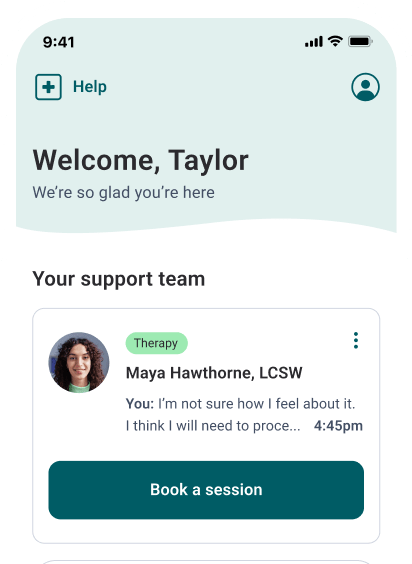
Talkspace, an online therapy platform, connects members with licensed therapists who provide evidence-based approaches such as cognitive behavioral therapy and mindfulness-based strategies. Therapy can take place through messaging, video sessions, or audio appointments, allowing members to receive care in a way that fits their schedule.
Many members find that a consistent therapeutic relationship changes not just how they manage stress, but how they relate to themselves. Self-compassion, clearer limits, and sustainable habits rarely emerge on their own; they're built with support.
For women experiencing ongoing stress or emotional exhaustion, professional support can help rebuild sustainable coping skills and emotional resilience. Start therapy with Talkspace and take the first step toward feeling like yourself again.
Frequently Asked Questions (FAQs)
How long does it take women to recover from burnout?
Recovery timelines vary depending on how long burnout has been building and what support is available. Many women see improvement after several months of consistent therapeutic work, though rebuilding sustainable habits often takes longer.
Can exercise worsen burnout fatigue in women?
High-intensity exercise can temporarily increase fatigue when burnout is severe. In general, gentle movements such as walking, stretching, or low-impact activity are a better fit during early recovery than demanding workouts that further tax a depleted system.
Is burnout in women the same as depression?
Burnout in women is not the same as depression, though they can share symptoms like fatigue and emotional exhaustion. Burnout usually results from prolonged stress or caregiving demands, while depression is a broader mental health condition that can occur even without external stressors.
Should women tell their employers they're burned out?
Women may choose to inform their employers if they are experiencing burnout, but it is a personal decision. Factors such as workplace culture, job security, and available support can influence whether sharing this information is beneficial.
What type of professional help is best for women experiencing burnout?
Several therapeutic approaches have shown effectiveness for burnout treatment, including CBT, mindfulness-based stress reduction, and acceptance and commitment therapy. A licensed therapist can help determine which approach best fits a person’s situation.
Sources:
- Wang ML, Narcisse MR, Rodriguez K, McElfish PA. Gender disparities in job flexibility, job security, psychological distress, work absenteeism, and work presenteeism among U.S. adults. SSM Population Health. https://pmc.ncbi.nlm.nih.gov/articles/PMC11850157/. 2025 Feb 3;29:101761. Accessed March 05, 2026.
- World Health Organization. Burn-out an "occupational phenomenon": International Classification of Diseases. https://www.who.int/news/item/28-05-2019-burn-out-an-occupational-phenomenon-international-classification-of-diseases. 2019 May 28. Accessed March 05, 2026.
- Lyubarova R, Salman L, Rittenberg E. Gender differences in physician burnout: driving factors and potential solutions. The Permanente Journal. https://pmc.ncbi.nlm.nih.gov/articles/PMC10266850/. 2023 Jun 12;27(2):130–136. Accessed March 05, 2026.
- Zatuski M and Makara-Studzinska M. Latent occupational burnout profiles of working women. International Journal of Environmental Research and Public Health. https://pmc.ncbi.nlm.nih.gov/articles/PMC9180705/. 2022 May 27;19(11):6525. Accessed March 05, 2026.
- Thakur S, Chauhan V, et al. Gender disparities and burnout among emergency physicians: a systematic review by the World Academic Council of Emergency Medicine–Female Leadership Academy for Medical Excellence. The Western Journal of Emergency Medicine. https://pmc.ncbi.nlm.nih.gov/articles/PMC11931694/. 2024 Dec 31;26(2):338–346. Accessed March 05, 2026.
- Bogdan PM, Varga K, et al. Parental burnout: a progressive condition potentially compromising family well-being — a narrative review. Healthcare (Basel). https://pmc.ncbi.nlm.nih.gov/articles/PMC12249155/. 2025 Jul 4;13(13):1603. Accessed March 05, 2026.
- John A, Bouillon-Minois JB, Bagheri R, et al. The influence of burnout on cardiovascular disease: a systematic review and meta-analysis. Frontiers in Psychiatry. https://pmc.ncbi.nlm.nih.gov/articles/PMC10909938/. 2024 Feb 19;15:1326745. Accessed March 05, 2026.
- Salvagioni DAJ, Melanda FN, Mesas AE, et al. Physical, psychological and occupational consequences of job burnout: A systematic review of prospective studies. PLoS ONE. https://pmc.ncbi.nlm.nih.gov/articles/PMC5627926/. 2017 Oct 4;12(10):e0185781. Accessed March 05, 2026.
- Kern S, Jerg-Bretzke L, & Beschoner P. (2024). Psychotherapeutic burnout interventions—an umbrella review. Bundesgesundheitsblatt, Gesundheitsforschung, Gesundheitsschutz. https://pmc.ncbi.nlm.nih.gov/articles/PMC11549179/. 2024 Oct 15;67(11):1279–1287. Accessed March 05, 2026.
Talkspace articles are written by experienced mental health-wellness contributors; they are grounded in scientific research and evidence-based practices. Articles are extensively reviewed by our team of clinical experts (therapists and psychiatrists of various specialties) to ensure content is accurate and on par with current industry standards.
Our goal at Talkspace is to provide the most up-to-date, valuable, and objective information on mental health-related topics in order to help readers make informed decisions. Articles contain trusted third-party sources that are either directly linked to in the text or listed at the bottom to take readers directly to the source.