

Acknowledgement
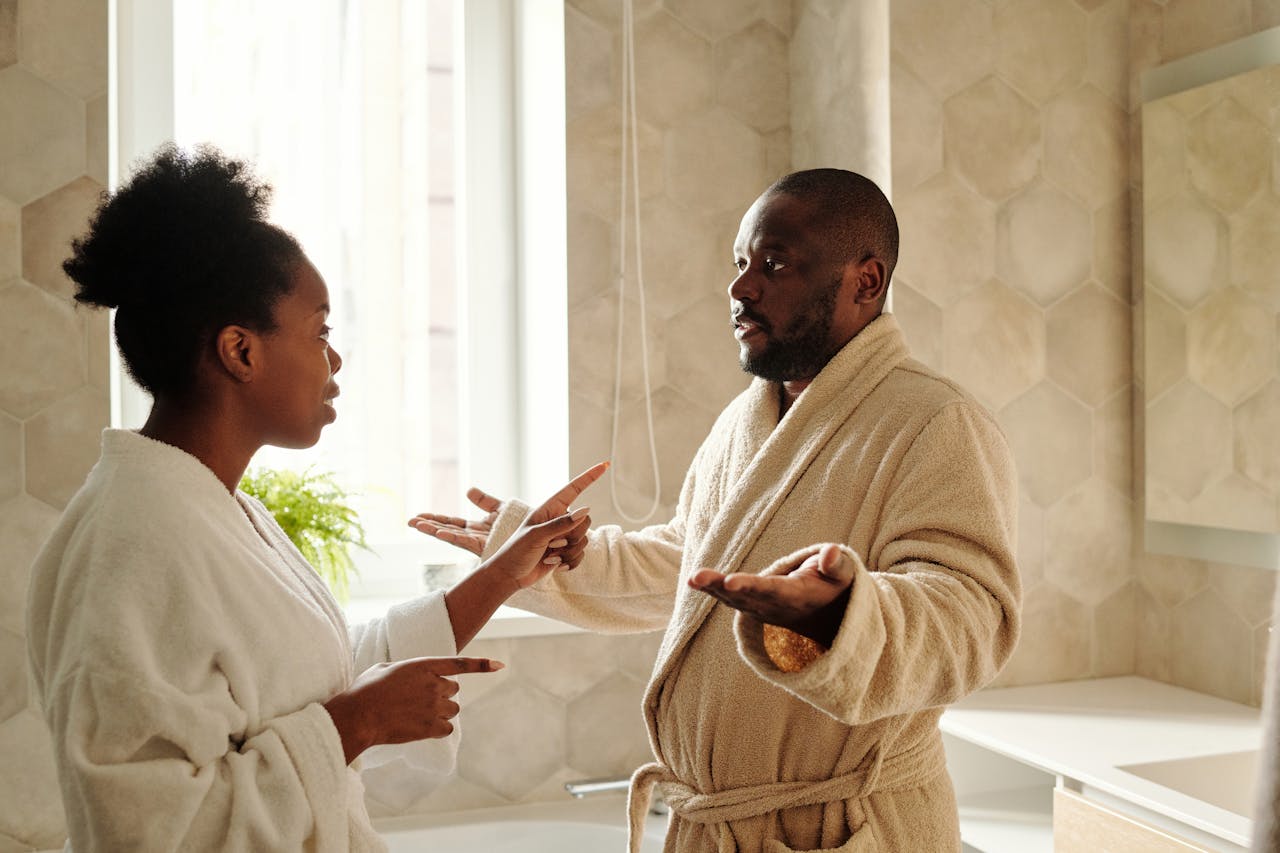
Keep in mind that narcissistic personality disorder (NPD) doesn’t only affect romantic relationships. You might have a relationship with somebody who has NPD, such as a family member (i.e. “narcissistic father” or “narcissistic mother”), a friendship, or a romantic relationship. Acknowledging that you were in the relationship and have experienced narcissistic gaslighting is the first step you’ll need to take to start healing from narcissistic abuse.
Once you acknowledge this truth, you can begin to accept that what you experienced was, in fact, emotional abuse. That means you can begin to let go of the blame you might be putting on yourself. Denial is a form of self-protection, and it’s perfectly normal that you might resist acknowledgement about the relationship in the beginning. That said, you do need to accept the reality of the situation and your emotions so you can heal.
Set Boundaries
Once you’ve come to terms with the fact that the relationship was unhealthy, you’re ready to take the next steps in learning how to heal from narcissistic abuse. Setting healthy relationship boundaries is a key trait here.
Start With No-Contact (If Possible)
Typically, setting firm boundaries and cutting off contact is recommended at the end of any abusive relationship. Keep in mind that the no-contact rule goes both ways. At first, it might be hard for you to set that boundary and stick to it. Part of a narcissistic relationship includes promises of change and highs in the relationship that you might be tempted to try and recapture. Boundaries can help you resist going back to your narcissistic abuser.
If cutting off all contact isn’t possible — maybe children are part of the equation, or it’s a close narcissistic family member that you’ll still occasionally have contact with — setting firm boundaries about what’s acceptable for you is important. Remember to not only inform them of the boundary, but also to let them know what the consequence will be if they can’t respect it. For example, you might tell them, “I’ll see you during this time/event, but if you can’t respect my wishes [remind them of the boundaries you set], I will leave.”
Be Specific
Whether you’re setting boundaries with parents, a friend, or a partner, it’s very important to be specific about what boundaries you consider necessary. This might include insisting they don’t share any personal information about you with anyone else. It might be something like they can only contact you via an email address you set up just for their communication. It might be that they can’t yell at you or talk down to you. Your boundaries are yours. You have every right to set them and be firm about them.
Seek Help from Professionals
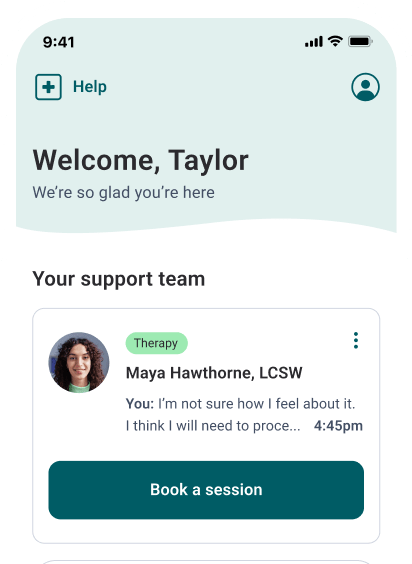
Therapists can use a variety of techniques to help you. Online cognitive behavioral therapy (CBT) is an effective type of therapy that’s often used to help people when they’re on the road to narcissistic abuse recovery.
"When you are dealing with narcissistic abuse, it is essential that you look for professional help; they have the knowledge and experience to help you heal, and you do not have to do this alone."
— Cynthia V. Catchings, LCSW-S
Working with a therapist, you can begin to:
Online therapy for Narcissistic Personality Disorder
Dealing with NPD? A licensed therapist can help you set boundaries and find peace.
Get started- Identify the reasons why you accept abuse
- Build coping skills to help you navigate abusive relationships
- Resist the urge to remain in contact with somebody who’s abusive
- Become open and honest with others in your life about the abuse you’ve experienced
- Figure out if symptoms of anxiety, depression, or another mental health condition might be coming into play
- Deal with and overcome any thoughts you might be having about self-harm or suicide
"Clinicians that specialize in Cognitive Behavioral Therapy (CBT) and personality disorders are trained to deal with narcissistic abuse issues. It is important that you see the right professional to make sure that you get the best help possible."
— Cynthia V. Catchings, LCSW-S
Practice Self-Compassion
Self-compassion can be instrumental in learning how to heal from narcissistic abuse. You might find that your first reaction is to blame yourself. It may take some time for you to stop critiquing your own behaviors that contributed to the relationship. Remind yourself that how someone treats you is not your fault. Reward yourself for finally getting to a place where you can heal and get out of the situation. Recognize the signs you’re healing from narcissistic abuse as you see them. Above all, be proud of how far you’ve come. One day, you’ll find that you’re able to forgive yourself instead of judging yourself for the past. It might help to create some mantras to use when you start to feel down. Remembering that you’re strong, that you deserve love, and that you’re brave for getting out of the relationship, can all help you heal.
Be Patient
Even the best relationships can be difficult at times. When you’re recovering from a relationship that included narcissistic abuse, things can be even more challenging. Be patient with yourself and be patient with the healing process.
As time goes on, you’ll find you can start to let go of the toxic relationship and move forward. Eventually, you’ll get to a place where you believe that you deserve healthy and positive relationships in your life. Patience will be key in your recovery.
Exercise Self-Care
Taking care of yourself can be beneficial in many ways. It’s always important to practice self-care, but especially when you’re healing from narcissistic abuse, being kind to yourself is essential.
Self-care is doing things that help you meet your own physical and emotional needs. Our mind and body are connected, so working on both areas of your life can help you feel stronger, braver, healthier, and more ready to take on the world. You might focus on:
- Paying attention to your stress level
- Getting enough sleep
- Eating healthy
- Taking the time to do things you enjoy
- Connecting or reconnecting with people in your life who are positive
- Getting physical activity in your day
- Using the coping skills you learn in therapy to help you manage your relationships
- Practicing mindfulness, yoga, or other relaxation techniques
Lean on Support from Loved Ones
There may not be another time in your life where you need more support from your loved ones than when you’re getting out of a toxic or narcissistic relationship. Opening up about the emotional abuse and asking for help can not only be good for your healing journey, but it can also help you begin to reestablish trust in others. The healing process can be lonely, but the people in your life who love you and want to support you can:
- Give you the compassion you’ve been lacking
- Distract you
- Keep you busy on especially difficult days
- Validate your pain
- Continuously remind you that this isn’t your fault
Overall, building a strong support system is essential for anyone healing from narcissistic abuse. It provides a network of understanding and empathy to lean on during tough times.
If you don’t have anyone in your life who can offer the support you need, consider reaching out to a support group where you can be with like-minded people who understand what you’ve gone through and where you’re at right now.
"If you do not know where to start, look online, ask a school counselor, or talk to someone you trust that has been in therapy before. They can guide you to find the right professional for you."
— Cynthia V. Catchings, LCSW-S
Pave Your Path to Healing
Healing from narcissistic abuse is a journey of self-care and support. Acknowledge the abuse, set boundaries to protect yourself, and engage in activities that foster physical and emotional well-being. Be sure to surround yourself with a network of loved ones, join a support group, or consider getting professional help to find strength and guidance.
Remember, with the right tools and a supportive community, recovery from narcissistic abuse is possible.