
How Do Bipolar Disorder Symptoms Change with Age?
We don’t really know if someone is born with bipolar disorder, or if onset happens during early childhood, in the teen years, or sometime after that. Many people question, can bipolar people tell they are bipolar, and the answer is, yes. Many live with it for years, decades even, before being diagnosed.
So, how does bipolar change with age?
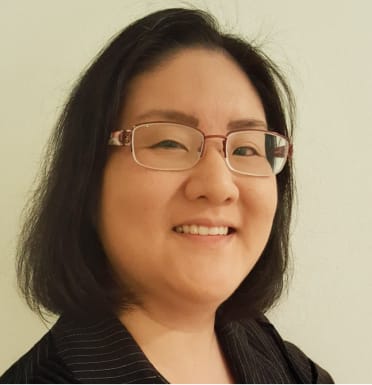
"When we think about bipolar disorder and aging, there are two ideas of aging that need to be considered and how bipolar disorder affects these differing instances: aging with bipolar disorder and being diagnosed at an older age. These instances change how symptoms can change with age."
— Minkyung Chung, MS, LMHC
Children
According to the National Institute of Mental Health ( NIMH), bipolar disorder in children and teens includes symptoms of intense emotions and drastic, noticeable changes to energy levels and activities, sleep habits, thought patterns, and behavior.
Young children and adolescents with bipolar disorder may have a manic episode, depressive episode, or both. Their mood swings can cause symptoms that might last for days or weeks. During a bipolar disorder episode, a child will likely exhibit symptoms each day, and they’ll typically last most of the day.
It’s common for bouts of mania and depression to continue into adulthood, and they can become more frequent and severe with untreated bipolar disorder.
Adults
Research shows that an estimated 2.8% of adults over the age of 18 have had a bipolar disorder episode within the past year, and about 4.4% of all adults will have one at some point in their life.
When studying does bipolar disorder get worse with age, 2015 research found that the disorder is often observed comorbidly — that is, in conjunction with another adverse mental or physical health condition. Some common physical ailments that are seen alongside bipolar disorder might include:
- High blood pressure (hypertension)
- Cardiovascular disease
- Metabolic syndrome
- Diabetes
Research shows that adults with bipolar disorder are also at incredible risk of other mental health conditions. Someone living with bipolar disorder can be up to six times more likely to have another condition, including:
- Obsessive compulsive disorder (OCD)
- Panic attacks
- Generalized anxiety disorder (GAD)
- Other phobias or anxiety disorders
They also have an increased risk of conditions such as attention deficit hyperactivity disorder (ADHD) and substance abuse disorders.
Online therapy for Bipolar Disorder
Get a mental health evaluation and begin treatment with a licensed therapist today.
Get startedLife expectancy
A recent study found that a decreased life expectancy (by an astounding 10–15-years) is observed in people who have bipolar disorder. Researchers linked this in part to something known as accelerated cellular aging.
The reality is, it’s impossible to fully, emphatically answer the question: does bipolar disorder get worse with age? It simply depends on each individual. Ultimately, the way that bipolar symptoms progress with aging depends on genetics, vigor, mindfulness, determination, lifestyle choices, health habits, adherence to safe medication protocols, other medical diagnoses, and participation in therapy.
At What Age Do Bipolar Disorder Symptoms Peak?
According to research, the age of onset might not matter much in terms of bipolar symptoms progressing or peaking. For many people with bipolar disorder, as their third, fourth, and fifth decades pass, depressive symptoms seem to increase. However, with an earlier onset, there does seem to be persistently deeper depressive symptoms overall.
The simple truth is, predicting the severity of bipolar disorder symptoms can be incredibly challenging. Yet while there’s no way to fully address this, the simple fact is that help is out there for anyone who wants it.
This is why treatment through bipolar medication, therapy for bipolar disorder, mindfulness, and healthy lifestyle choices are so incredibly important.
Bipolar Disorder Treatment for Older Adults
To address the complicated issue of does bipolar get worse with age or not, we need to keep some things in mind. Primarily, as we already discussed, bipolar disorder can affect people very differently. Still, it’s important to acknowledge that untreated bipolar disorder can cause symptoms to become progressively worse. Treatment approaches will vary on a case-by-case basis; however, an effective treatment plan often involves a combination of psychotherapy and pharmaceuticals.
Therapy is used to minimize the negative behavioral symptoms associated with bipolar disorder. Effective and helpful techniques include:
- Cognitive behavioral therapy (CBT)
- Family-focused therapy (FFT)
- Psychoeducation
Prescription drugs can help reduce both short- and long-term symptoms of bipolar disorder. Several types of medication may be prescribed, including:
- 2nd-generation antipsychotic medications
- Anticonvulsants
- Anti-anxiety meds
- Mood stabilizers
- Benzodiazepines
- Antidepressants
It’s very important to point out that when someone with bipolar makes great progress through therapy and self-care, they might not need to rely as heavily on prescription medications. All meds are associated with at least some adverse side effects. However, it’s best to make that choice with guidance from your therapist and other healthcare providers.
How Does Bipolar Medication Change With Age?
In an effort to answer the question: how does bipolar change with age, some studies have looked specifically at changes in how the body metabolizes medication as we age. We now understand that it might become more difficult to do so, which might have an impact on how certain bipolar drugs work.
In many cases, medications used to treat bipolar disorder produce noticeable, positive effects, at least initially. However, it’s not uncommon for any medication’s positive effects to plateau as you develop tolerance.
Whether it’s due to tolerance, or it’s because your body processes and uses the medication differently, you might need to begin experimenting with different types and dosages of bipolar medication as you age.
Of course, there’s always the chance that a medication’s side effects won’t ever outweigh the benefits, but it’s important to be well educated on the dangers of drugs used for bipolar disorder
"The treatment for bipolar disorder in older adults isn’t significantly different than in younger individuals. Medication and therapy are recommended. The difference comes from how the body metabolizes the medication and/or if it’s effective at all due to age."
— Minkyung Chung, MS, LMHC
Unfortunately, for most people, bipolar disorder is a mental health condition that can progress with time and age. Complicating matters is that as we age, we can also simultaneously become less able to metabolize the medications that are prescribed to treat symptoms.
Therefore, it’s essential to get everything you can from all forms of bipolar disorder treatment. This might include routine psychotherapy as well as an effort to stay mindful and make healthy lifestyle choices that help reduce your symptoms.
Finding a therapist who specializes in treating bipolar disorder is always important for long-term symptom management. Working with a therapist who is experienced in either in-person or online therapy can help you develop and implement effective coping skills into your daily routine. While medication is often used as a frontline defense for bipolar, it’s smart to use several techniques for symptom management.
Living with bipolar disorder isn’t simple, and it might be easy to feel like it’s cruel to not be able to control your own emotions. However, bipolar is a treatable condition. You can still live a rewarding, contented life. It takes some deep work but armed with information and support, it’s possible.