


The Science Behind Saffron and ADHD
ADHD has been linked to neurotransmitter imbalances in the brain. Dopamine, norepinephrine, and serotonin are neurotransmitters that all play crucial roles in regulating mood, attention span, impulse control, and other cognitive functions commonly affected by ADHD.
Saffron contains bioactive compounds that may influence some neurotransmitter levels in the brain to lead to improved mood stability and focus.
The role of neurotransmitters in ADHD
Dopamine and norepinephrine are both neurotransmitters associated with ADHD. Though we know they work differently in the brains of people with ADHD, we don’t fully understand their roles. Dopamine regulates mood, motivation, and reward-seeking behavior, while norepinephrine influences alertness.
Saffron has multiple bioactive compounds — including crocin, picrocrocin, and safranal — that have antioxidant properties and might help improve neuronal function by reducing oxidative stress on the brain cells. It’s unclear exactly how saffron impacts neurotransmitter levels, but there is potential that saffron extract for ADHD might be beneficial in managing symptoms.
Comparing Saffron to Traditional ADHD Treatments
Scientists and researchers with knowledge in the field of medical sciences have been studying the possibility of saffron being able to make a significant difference in symptoms associated with ADHD. It’s important to note that traditional treatments, like stimulant medication and behavioral therapy, are still considered the gold standard, but people are increasingly considering alternative options — like saffron.
Studies have looked at saffron supplementation with methylphenidate (a common ADHD medication known as Ritalin) and found promising results showing that both treatment forms can significantly improve ADHD symptoms.
"For as long as medicine has been around, holistic or alternative medicine has existed. Figuring out if traditional or holistic medicine for treating mental illness is not a new topic. With everything in life, it’s about discussing the pros and cons with a medical expert to fully understand what will be the best path forward in treating mental health issues. ADHD is a particular diagnosis where medications have always been a touchy subject as most individuals are identified with ADHD in their youth. It becomes a question of how young is too young for medication and what alternatives exist."
— Minkyung Chung, MS, LMHC
Precautions and Considerations
Before incorporating saffron extract for ADHD into your treatment plan, you must know the potential side effects and drug interactions. Like any medication, supplement, or over-the-counter treatment, saffron can have side effects and drug interactions.
"With all medications, it’s important to research what is best for yourself and your child. It is important to talk to your medical professional to ascertain if treating ADHD with saffron is the right path for you. Just because it is holistic does not mean it is always helpful for the overall stability of a person. Don’t believe the mom blogger or second hand anecdotes. Treatment for ADHD or any mental health issue is not universal."
— Minkyung Chung, MS, LMHC
Online therapy for ADHD
Learn how to manage your ADHD with help from a licensed therapist. Start therapy within a few days.
Get startedPotential side effects of saffron
Saffron is considered relatively safe, especially when taken in moderate amounts. That said, excessive intake can cause adverse effects. Some potential side effects of saffron could include:
- Nausea
- Vomiting
- Dizziness
- Headache
- Although rare, allergic reactions can also occur
Drug interactions and contraindications
Saffron is known to interact with some medications or medical conditions — talk to your doctor if you are taking:
- Blood thinning medications: Saffron can increase the risk of bleeding as a result of its blood thinning properties.
- Antidepressants: Both antidepressants and saffron alter neurotransmitter levels. Combining them might result in additive effects.
- Blood pressure medication: Saffron can lower your blood pressure, so combining it with other prescription drugs can cause excessive or dangerously low blood pressure.
Pregnant and breastfeeding women should avoid taking large amounts of saffron as it’s unknown what the effects could be on the baby, and there’s a potential for uterine stimulation.
Can you take saffron with ADHD meds?
We have limited research on the interaction between traditional ADHD medications (like stimulants) and saffron ADHD treatments. You should talk to your doctor before combining these treatments. It’s possible that you might be able to take saffron and ADHD medications together, but not without the advice of your doctor or mental healthcare provider.
When to consult with a healthcare professional
Before you make any decisions about using saffron for ADHD symptoms, you should seek professional advice. A doctor can help you decide if saffron might be appropriate for your situation, condition, and symptoms. They’ll also be able to monitor any potential side effects or interactions and adjust your dosage accordingly if necessary.
Ways to Incorporate Saffron Into Your Routine
If you’ve decided that saffron might benefit your condition, and you’re ready to try it, you should learn how to take saffron for ADHD.
- Saffron supplements: Saffron supplements are available as capsules or tablets. Dosage recommendations will be labeled on the bottle by manufacturers and healthcare professionals — be sure to use the suggested dosage as indicated.
- Cooking with saffron: Saffron is a flavorful spice that can be incorporated into many dishes. You can use it in rice, soups, stews, and desserts. Cooking with saffron adds flavors and potential benefits for treating ADHD symptoms. You can find saffron recipes online.
- Saffron tea: Making tea out of saffron is another way to incorporate this potent herb into your ADHD medication routine. Brew a few strands of superior saffron in warm water for five minutes, then enjoy.
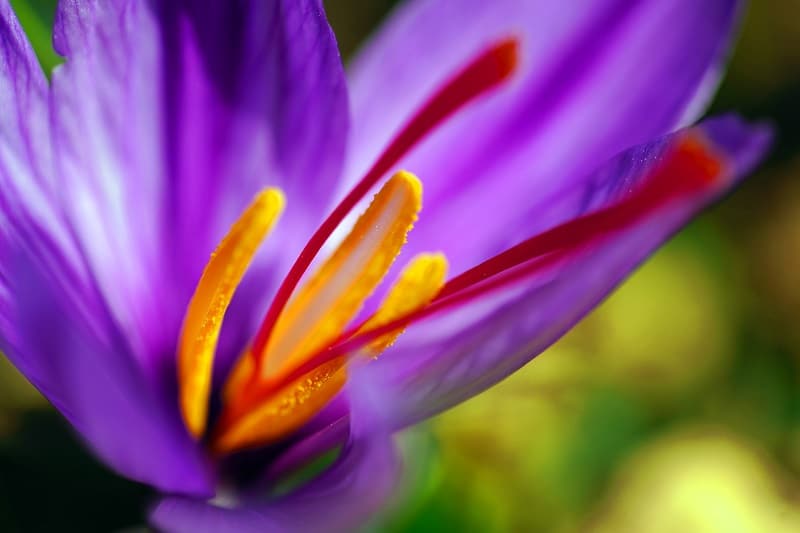
Select a high-quality saffron from a reputable source. Look for a vibrant color — quality saffron will have a deep red hue with slightly lighter-colored tips.
It’s best to avoid powdered saffron. Whole strands are guaranteed to be purer, as the powdered form can be adulterated or have lower-quality ingredients that you can’t assess just by looking at it.
Learn How to Manage ADHD Symptoms with Talkspace
Learn how to deal with ADHD symptoms with a comprehensive approach that incorporates alternative treatments and more conventional ones, like talk therapy.
Online therapy from Talkspace offers easy access to experienced therapists who can help you develop the best treatment plan for your ADHD. Combining natural remedies like saffron for ADHD relief with professional therapy for ADHD can create a well-rounded treatment plan.
Saffron may be a promising natural remedy for ADHD, but it’s important to remember that saffron shouldn’t replace scientifically-tested, effective ADHD treatments without the guidance of a healthcare professional.