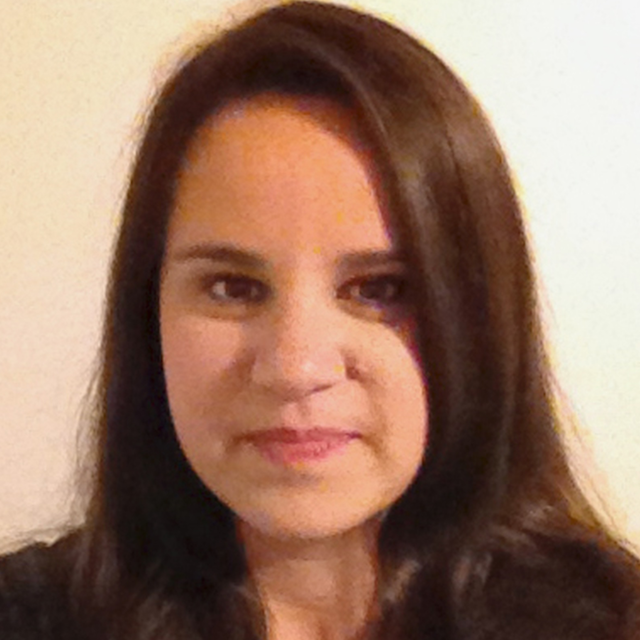


If you take one look at me, it’s not going to be a secret that I eat a lot of food, and unhealthy food at that. I have an uncomfortable relationship with my body, not the least of which is my anxiety around how others perceive what I look like, which is overweight. I try to joke about it — rebranding french fries as “health potatoes” to make everyone laugh instead of watch me eat more unhealthy food I don’t need — but nothing other than practicing extreme restraint around others eases the anxiety about how my body is perceived, especially when I am eating.
In the end I stick with a moderate plate of food, skip seconds on the stuffing, and have only one piece of pie, even though the national food indulgence holiday could serve as an excuse to eat a little extra. But in front of other people, the anxiety about what I consume is too great to override my fear about what my body looks like and what I imagine people think when they see a fat girl eating too much food.
Anxiety and Disordered Eating
The relationship between eating, anxiety, and body issues can be even more complex than social anxiety disorder. Anxiety around food, and the fear of how others view you, can lead to disordered eating.
“Having a difficult time eating in front of others can also be a warning sign of developing an eating disorder in the future,” writes Williams.
A 2012 eating behaviors study on the correlation between social anxiety and eating disorders, for example, found that the fear of being viewed poorly in social situations, especially while eating, predicted “body dissatisfaction, bulimic symptoms, shape concern, weight concern, and eating concern.” A “fear of negative evaluation” often led directly to a desire for thinness and restraint around eating. This makes eating and body image perception even more complicated, especially with other people around.
“It takes a great deal of mental energy to quiet the constant eating disorder voices that are saying things like, ‘You shouldn’t eat that,’ ‘That has too many calories,’” said Williams. And this is where things get really difficult. “Those eating disorder voices get even louder when you add worries regarding about how others are perceiving you.”
Eating to Ease Anxiety
On another side of the equation, eating can be used as a way to relieve anxiety, feeding into a vicious cycle between food issues and body image discomfort.
“Anxiety symptoms and disorders frequently co-occur with overeating,” writes psychologist Jennifer Pells. “The hoped-for effect of this coping strategy may be to suppress, numb, distract, soothe, avoid, or mask the original anxiety.”
Overeating to soothe anxiety can happen for a number of reasons. Food can be used as an escape from self-awareness, and therefore hard feelings, because of the concentration on an alternative, yet immediate stimuli: food.
Food also works as an emotional regulation tool through binging, though often this can make people feel depressed, guilty, or shameful afterward. However, these negative emotions serve as a “trade-off” to minimize the heightened discomfort of an anxiety response, creating a complicated relationship between eating and how we view our body after overindulging.
Help for Food Anxiety
Taken together, if anxiety around food and body image are taking their toll, know you are not alone. Reach out for support from trusted loved ones or your therapist if you’re feeling anxious about eating or struggling with your body image. At the end of the day, we all deserve to feel good in our body no matter our shape, and eat in a way that nourishes our body, mind, and soul, whatever that means for each of us.
“There is one golden rule to normal eating, and it is this,” writes registered dietitian Michelle Allison. “No one decides what or how much goes in your mouth but you.”
And remember: there’s no wrong way to have a body.