


Can Hormones Cause Anxiety?
Yes — hormonal imbalance results in anxiety for some people. Abnormal hormonal changes can disrupt the functioning of both the brain and the nervous system, increasing stress and anxiety. In research, hormonal fluctuations in estrogen, cortisol, and thyroid hormone levels are all linked to mood regulation issues. This means that when levels are out of balance, it can trigger anxiety.
Premenstrual dysphoric disorder’s (PMDD’s) impact on anxiety
Premenstrual dysphoric disorder (PMDD) is a severe form of premenstrual syndrome (PMS) that occurs in the luteal phase of the menstrual cycle, which is the time after ovulation and before the onset of menstruation. It takes a toll on emotional and mental health, and symptoms often include near-debilitating anxiety. While the timing of symptoms can vary slightly between women, they consistently occur before the period starts.
Experts believe that one of the primary causes of PMDD is an extreme sensitivity to fluctuations of progesterone and estrogen levels during a woman’s menstrual cycle. In studies, drops in estrogen levels — like the hormonal fluctuations we see occurring during menstruation — increase the risk of anxiety and depression.
Hormones That Can Cause or Worsen Anxiety
We already know that when certain hormone levels are off, it can cause increased anxiety or exacerbate it. Before we can determine how to treat hormones that cause anxiety, we need to figure out more about which hormones might actually be causing an issue.
Estrogen & progesterone
Estrogen and progesterone are vitally important during the menstrual cycle and can dramatically impact mood.
- Estrogen is higher during the first 2 weeks of the menstrual cycle, which can create higher levels of serotonin, also known as the feel-good hormone. By contrast, studies show that during the times of the menstrual cycle when estrogen is lower, there is a more significant negative mood response.
- Progesterone levels increase just after ovulation, and too much of this hormone can cause a depressed or anxious mood. We know from research that progesterone stimulates the amygdala, the part of the brain responsible for fight-or-flight responses. It makes sense that triggering the amygdala might result in feeling more anxious than usual.
Common symptoms of estrogen and progesterone hormone imbalance may include:
- Difficulty sleeping
- Change in sex drive
- Mood swings
- Dry skin
- Headache
- Weight fluctuation
- Drowsiness
- Physical discomfort
Testosterone
According to The National Comorbidity Survey, anxiety disorders are significantly higher in women than in men (30.5% vs 19.2%, respectively). Although we don’t fully understand why this might be, one theory is that it’s likely due to hormone-related differences.
Low testosterone levels have been linked to some types of anxiety disorders — particularly social anxiety disorder (SAD). Testosterone helps regulate the part of the brain that allows us to assess other people’s emotions to respond to social threats. Low levels can make it challenging to understand what’s happening in social situations or how to react. This uncertainty can easily lead to anxiety in some people.
Common symptoms of testosterone imbalance may include:
- Persistent sadness
- Irritability
- Lack of motivation
- Social withdrawal
- Difficulty focusing
- Disrupted sleep patterns
- Restlessness
Cortisol
Cortisol is a steroid hormone that tells the brain something in our path might be harmful. It’s known as the “stress hormone,” and it helps us cope with danger by triggering the body's fight-or-flight response. This response increases heart rate, blood pressure, and energy supplies, preparing us to either face the threat or escape it. Research suggests that elevated levels of the stress hormone cortisol are experienced during periods of heightened anxiety.
Cortisol imbalances can occur due to various factors, including chronic stress, poor sleep, and unhealthy lifestyle choices. While some individuals may be more genetically predisposed to cortisol imbalances, others may develop them due to environmental and behavioral influences. Engaging in regular physical activity, practicing mindfulness, and maintaining a balanced diet can help manage cortisol levels.
Common symptoms of cortisol imbalance can include:
- Weight gain around the midsection and upper back
- Acne
- Thinning skin
- Weight gain and rounding of the face
- Easy bruising
- Severe fatigue
- Difficulty concentrating
- Irritability
Understanding this hormone change can help in addressing issues such as anxiety and fatigue.
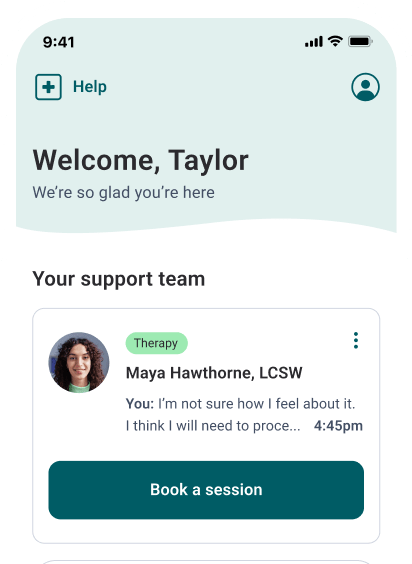
Online therapy for anxiety
Get support for anxiety, and achieve a calmer mindset with therapy covered by most insurance plans.
Get startedThyroid hormones
Thyroid hormones play a significant role in anxiety. Thyroid-stimulating hormone (TSH) levels directly correlate with the severity of panic attacks (which are a type of anxiety disorder).
Common symptoms of thyroid imbalance can include:
- Nervousness
- Restlessness
- Irritability
- Weight change
- Irregular menstrual cycles
Oxytocin
Oxytocin is the hormone emitted when we fall in love or bond with someone. While this hormone is often referred to as the “love hormone,” and it can help reduce anxiety, it has some adverse effects, too. In research, oxytocin was found to strengthen bad memories and increase fear and anxiety.
An imbalance in oxytocin levels can occur during periods of prolonged stress or trauma, potentially leading to heightened anxiety and difficulty forming positive social connections. For example, someone who has experienced a traumatic event might have an overproduction of oxytocin, reinforcing negative memories and fear responses.
Symptoms of oxytocin imbalance can include:
- Irritability
- Disrupted sleep pattern
- Inability to give affection
- Difficulty achieving orgasm
- Increased feelings of anxiety
How to Treat Anxiety Caused by Hormones
Understanding how to address these imbalances is essential for managing anxiety effectively. Here are several strategies to consider.
Get your hormone levels checked
Before taking any action, it's important to consult with a doctor to test blood levels and check for specific hormone imbalances. Establishing a baseline can help determine if there is an actual imbalance. If there is, your doctor can recommend steps to balance your hormones.
Once your baseline is confirmed, a combination of holistic and mainstream approaches, like therapy, can also be effective in managing hormone-induced anxiety.
Psychotherapy
Therapy — primarily cognitive behavioral therapy for anxiety — can help identify the source of your anxiety and offer coping skills to help reduce symptoms. When your lifestyle contributes to hormone level disruption, therapy can be an excellent place to find effective tools and coping skills for anxiety so you can begin to change unhealthy behavior.
Anxiety medication
Anxiety medication can often be beneficial in treating anxiety in the short term. It can help you cope until you get an effective treatment plan in place and start to implement strategies that balance out your hormone levels.
Regular exercise
It’s well-known that exercise increases endorphins, which can improve mood and reduce anxiety. Other research indicates that testosterone and oxytocin levels can increase with exercise, too, which can help alleviate hormonal anxiety symptoms in some people.
"Exercise regulates the rhythm as well as modulates the circadian pattern of hormones. It impacts all systems digestive reproductive cardiovascular and endocrine. Exercise releases (natural opiates) endorphins that cause relaxation and calming effects"
— Dr. Muhammad Munir, MD
Dietary adjustments
Making some simple adjustments to your diet can help improve and balance hormone levels to reduce anxiety. For instance, incorporating certain vitamins for anxiety can be beneficial.
Some foods that are likely to help include:
- Foods that are rich in magnesium, like leafy greens, nuts, and whole grains
- Foods with omega-3 fatty acids, like Alaskan salmon
- Probiotic foods, like pickles and sauerkraut
- Foods high in zinc, like cashews, beef, and egg yolks
Good sleep hygiene
Research suggests that sleep is tied to thyroid-stimulating hormone (TSH), cortisol, and other hormone levels. Establishing and maintaining a good sleep schedule can be crucial to stabilizing levels and improving anxiety symptoms.
Stress and relaxation techniques
Multiple studies show the benefits of stress and relaxation techniques in stabilizing hormone levels. Deep breathing for anxiety, for example, reduces the negative effects of cortisol imbalance.
Natural supplements for hormonal balance & anxiety
Some natural supplements help treat hormone imbalances and reduce anxiety. Studies have found that probiotics can reduce cortisol and oxytocin levels. Other research found that Vitamin D is linked to thyroid levels and that Vitamin D and Omega-3 fatty acids can improve mood and lower testosterone levels.
"Hormones imbalance can cause anxiety and depression symptoms. This can also worsen pre existing depression and anxiety e.g Hypothyroidism depression or Hyperthyroidism -anxiety pheochromocytoma panic attacks. Managing both hormonal disturbances and depression anxiety is needed. Working with your doctor or endocrinologist besides a psychiatrist to have hormonal assays and medications to regulate the hormone levels is important."
— Dr. Muhammad Munir, MD
Manage Anxiety with Professional Support
Learning to manage hormones and anxiety means finding a comprehensive, holistic approach that addresses both mental and physical health. Regular exercise, dietary and other lifestyle adjustments, good sleep hygiene, stress and relaxation techniques, seeking therapy, and possibly using medication, are all effective ways to balance hormones and reduce symptoms of anxiety.
If you’re ready to start managing your anxiety, professional support can be invaluable. Talkspace offers convenient and affordable access to licensed mental health professionals who can help. Online therapy is a flexible and effective way to manage mental health in a comfortable environment. Reach out to Talkspace today to learn more about getting online treatment for anxiety.