


Key takeaways
- LGBTQIA+ friendly therapists provide affirming, identity-aware care that recognizes the unique experiences and challenges faced by LGBTQIA+ individuals.
- Working with an LGBTQIA+ affirming therapist can improve trust, strengthen therapeutic outcomes, and create a safer space to explore identity, relationships, mental health concerns, and life transitions.
- Whether you're seeking support for coming out, gender identity, discrimination, relationships, or general mental health concerns, finding the right therapist is an important step toward long-term well-being.
Finding the right therapist can be challenging for anyone, but it can be especially important for people seeking care that recognizes and affirms their identity. Members of the LGBTQIA+ community often face unique stressors, including discrimination, social stigma, family rejection, identity exploration, and barriers to healthcare. These experiences can have a significant impact on emotional well-being and highlight the need for inclusive, affirming mental health support.
Fortunately, finding LGBTQIA+ friendly therapists is more accessible than ever. Whether you're looking for support with relationships, coming out, gender identity, anxiety, depression, or other concerns, LGBTQIA+ friendly counseling can provide a safe, supportive environment where your experiences are understood and respected.
What is LGBTQIA+ Friendly Therapy?
LGBTQIA+ friendly therapy is a form of mental health care that recognizes, respects, and affirms diverse sexual orientations, gender identities, and lived experiences. Rather than treating LGBTQIA+ identities as problems to be fixed, affirming therapists create supportive environments where someone can explore challenges, build resilience, and strengthen their overall well-being.
Many LGBTQIA+ individuals encounter experiences that may not be fully understood in traditional therapy settings, including coming out, family conflict, discrimination, identity development, gender dysphoria, and relationship concerns. For some individuals, therapy may also involve discussing the differences between gender dysphoria and concerns related to body image, such as body dysphoria versus body dysmorphia, ensuring treatment reflects the person's unique experience rather than assumptions about identity.
A LGBTQIA+ affirming therapist understands these experiences and incorporates that knowledge into treatment without making assumptions or judgments. For individuals exploring questions about identity, conversations may also touch on topics such as different gender identities and how they shape day-to-day experiences.
It's also helpful to understand the difference between LGBTQIA+ friendly, inclusive, and affirming care. While all three approaches can be supportive, affirming therapy actively validates and supports LGBTQIA+ identities as a healthy part of who someone is.
An affirming therapist may help individuals navigate concerns related to identity, relationships, family dynamics, workplace experiences, and mental health conditions. Depending on a person's needs, therapy may focus on self-acceptance, communication skills, emotional regulation, stress management, or building confidence in navigating personal and professional relationships.
At its core, LGBTQIA+ friendly counseling creates a space where people can show up authentically, discuss their experiences openly, and receive support that recognizes the full context of their lives rather than asking them to separate their identity from their mental health.
Why Does Affirming Counseling Matter for LGBTQIA+ Mental Health?
Mental health is shaped by more than individual experiences. For many LGBTQIA+ people, factors such as discrimination, stigma, rejection, and social pressure can have a lasting impact on emotional well-being. Affirming counseling recognizes these realities and provides support that acknowledges the full context of a person's life rather than treating identity as separate from mental health.
Research consistently shows that LGBTQIA+ individuals experience higher rates of anxiety, depression, trauma, substance use disorders, and suicidal ideation than the general population. According to NAMI, LGBTQIA+ individuals are more likely to experience mental health challenges, often due to minority stress, discrimination, and barriers to support. These disparities are not caused by LGBTQIA+ identities themselves, but by the stressors many people encounter while navigating society.
An affirming therapist understands how experiences such as coming out, family rejection, bullying, workplace discrimination, and identity exploration can affect mental health. For transgender and nonbinary individuals, therapy may also provide support in navigating transgender mental health challenges, including identity-related stress, social stigma, and the emotional impact of living in environments that may not always be affirming or inclusive. For some people, therapy may also involve addressing the long-term impact of stigma and prejudice described throughout the history of mental health treatment in the LGBTQIA+ community.
Affirming counseling creates a space where individuals do not need to explain or defend who they are. Instead, therapy can focus on developing coping skills, building resilience, strengthening relationships, and improving overall well-being. When people feel understood and validated, they are often more comfortable engaging in treatment and making meaningful progress toward their goals.
How to Find the Right LGBTQIA+ Affirming Therapist
Finding the right therapist is about more than credentials alone. The best therapeutic relationships are built on trust, understanding, and a sense of safety. For LGBTQIA+ individuals, finding a provider who is knowledgeable about identity-related experiences and committed to affirming care can make a meaningful difference in the therapy experience.
Key qualities of an LGBTQIA+ friendly therapist
When evaluating potential therapists, look for professionals who demonstrate:
- Experience working with the LGBTQIA+ community
- Knowledge of issues such as coming out, gender identity, discrimination, and relationship dynamics
- An affirming and nonjudgmental approach
- Cultural humility and a willingness to learn from an individual's experiences
- Training in identity-affirming therapeutic approaches
- Respect for chosen names, pronouns, and self-identified labels
A strong therapist should help you feel heard, respected, and empowered. Therapy should never require you to educate a provider about basic LGBTQIA+ experiences before meaningful work can begin.
Questions to ask before choosing a therapist
An initial consultation can help determine whether a therapist is the right fit. Asking questions early may help you feel more confident in your decision and avoid mismatches that could delay progress.
Consider asking:
- What experience do you have working with LGBTQIA+ individuals?
- How do you approach identity-related concerns in therapy?
- Have you worked with transgender and nonbinary individuals?
- What therapeutic approaches do you typically use?
- How do you create an affirming environment for LGBTQIA+ individuals?
The goal isn't to find a therapist with identical experiences. Instead, look for someone who demonstrates knowledge, respect, and a genuine commitment to affirming care.
Explore online therapy
Get support from an affirming therapist with experience in the LBTQIA+ community.
Find a therapistCost, convenience, and privacy considerations
Cost, scheduling, and privacy are often important factors when choosing a therapist. Many people prefer online therapy because it removes geographic limitations, offers greater flexibility, and makes it easier to find providers who specialize in LGBTQIA+ friendly counseling. Virtual therapy can be especially valuable for people living in rural areas, those with limited local resources, or individuals who are not yet comfortable seeking support in their immediate communities.
Online platforms can also provide additional privacy and convenience while expanding access to affirming care. Considering these practical factors alongside therapist qualifications can help you find support that feels both accessible and sustainable over the long term.
Where Can You Find LGBT+ Friendly Therapists Online and Locally?
Finding LGBTQIA+ friendly therapists is often easier than many people expect. Among online therapy platforms, therapist directories, community organizations, and local referrals, there are several ways to identify providers who offer affirming and inclusive care. Taking time to research your options can help you find a therapist who aligns with your needs, preferences, and goals.
Search online
A simple online search can be a useful starting point. Search terms such as "LGBTQIA+ friendly therapist," "LGBT affirming therapist," or "LGBTQIA+ friendly counseling" combined with your city or state may help identify providers in your area. Many therapists also maintain websites that outline their specialties, therapeutic approaches, and experience working with LGBTQIA+ individuals. Reviewing this information can help you narrow your options before scheduling a consultation.
Use LGBTQIA+ therapist directories
Therapist directories can make the search process more efficient by allowing you to filter providers based on specialty, location, insurance, and areas of expertise. Many directories include information about a therapist's experience with LGBTQIA+ populations, helping you identify providers who offer affirming care without having to contact each therapist individually.
Ask trusted community resources
Community organizations often maintain referral lists of trusted mental health providers. Local LGBTQIA+ centers, advocacy groups, healthcare organizations, and support groups may be able to recommend therapists who have experience working with LGBTQIA+ individuals. These referrals can be especially valuable because they often come from people with firsthand knowledge of the provider's approach and reputation within the community.
Verify credentials and experience
Licensure is important, but it's only one part of finding the right therapist. It's equally important to understand a provider's experience working with LGBTQIA+ individuals and their approach to affirming care.
Look for therapists who:
- Are licensed in your state
- Mention LGBTQIA+ issues as an area of focus
- Have experience with identity-related concerns
- Use affirming, inclusive language
- Demonstrate ongoing education in LGBTQIA+ mental health
A therapist's willingness to discuss their experience and approach can often tell you as much as their credentials.
Schedule a consultation
Many therapists offer a brief consultation by phone or video before treatment begins. This conversation provides an opportunity to evaluate whether you feel comfortable with the therapist and whether their approach aligns with your needs.
Questions you might ask include:
- What experience do you have working with LGBTQIA+ individuals?
- How do you approach identity-related concerns?
- What types of issues do you commonly help individuals address?
- What therapeutic methods do you use?
A consultation isn't just for the therapist to learn about you. It's also your opportunity to assess whether the provider feels like a good fit. Trust, comfort, and communication are all important parts of a successful therapeutic relationship.
How Does an LGBTQIA+ Friendly Therapist Support You Long-Term?
The benefits of working with an LGBTQIA+ affirming therapist often extend beyond addressing an immediate concern. Therapy can provide ongoing support through different life stages, helping individuals build resilience, strengthen relationships, and navigate challenges with greater confidence.
An affirming therapist may help individuals work through:
- Coming out to family, friends, or coworkers
- Identity exploration and self-acceptance
- Gender dysphoria and gender-related concerns
- Relationship and family challenges
- Anxiety, depression, and stress
- Trauma and recovery
- Self-esteem and confidence
- Career and workplace concerns
For some individuals, therapy may also involve addressing challenges related to LGBTQIA+ mental health and substance use or managing the emotional impact of discrimination and social stigma. As life circumstances change, therapy can continue to provide guidance and support.
Whether someone is navigating a new relationship, exploring their identity, coping with loss, or managing ongoing mental health concerns, an affirming therapist can help develop healthy coping strategies and strengthen emotional well-being. Over time, the therapeutic relationship itself often becomes a valuable source of support, providing a consistent space where individuals can process experiences, celebrate growth, and work toward their personal goals without fear of judgment.
Additional LGBTQIA+ Mental Health Resources
While therapy can be an important source of support, it isn't the only resource available. LGBTQIA+ individuals looking for peer support, crisis intervention, community connections, or identity-affirming guidance may benefit from the following organizations.
LGBTQIA+ National Help Center
The LGBTQIA+ National Help Center offers support services for LGBTQIA+ adults, youth, and older adults. Resources include peer-support hotlines, online chat services, and moderated support groups designed to help individuals connect with others who understand their experiences.
The Trevor Project
The Trevor Project provides crisis intervention and suicide-prevention services for LGBTQIA+ youth. Support is available through phone, text, and online chat, making it easier for young people to access help when they need it.
988 Suicide & Crisis Lifeline
Anyone experiencing a mental health crisis, emotional distress, or thoughts of self-harm can contact the 988 Suicide & Crisis Lifeline for immediate support. Although it is not LGBTQIA+-specific, trained crisis counselors are available 24/7 to provide confidential assistance and connect callers with local resources. Seeking help is a sign of strength, not weakness. Whether support comes through therapy, peer communities, crisis services, or trusted personal relationships, no one should feel they have to navigate mental health challenges alone.
Is Talkspace the Right Choice for LGBTQIA+ Friendly Counseling?
Finding the right therapist is personal, but affirming care can greatly impact how supported and understood you feel. LGBTQIA+ friendly therapists offer more than a safe space. They provide informed, identity-affirming care that recognizes the unique experiences and strengths of LGBTQIA+ individuals.
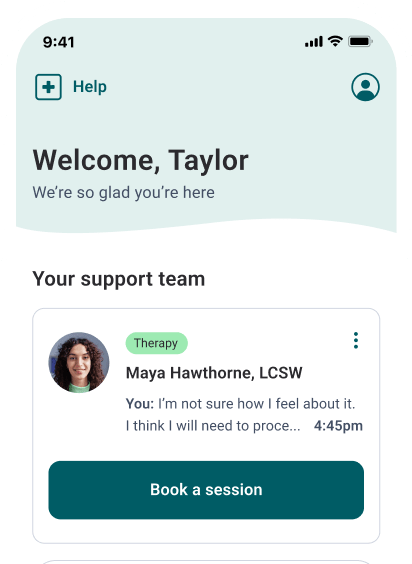
Talkspace makes it easier to connect with licensed therapists who provide LGBTQIA+ friendly counseling through a secure and convenient virtual platform. Whether you're seeking support for identity exploration, relationships, anxiety, depression, life transitions, or other mental health concerns, Talkspace offers access to online therapy that fits your schedule and lifestyle. Individuals specifically looking for identity-affirming support can also explore LGBTQIA+ affirming therapy services to find care that reflects their experiences and supports their mental health goals.
Frequently Asked Questions
How can LGBTQIA+ friendly therapists help with identity-related concerns?
LGBTQIA+ friendly therapists provide support for identity exploration, coming out, self-acceptance, gender identity questions, and relationship concerns. They create an affirming space where individuals can discuss personal experiences without fear of judgment or misunderstanding.
What questions should I ask LGBT+ friendly therapists before starting therapy?
Consider asking about their experience working with LGBTQIA+ individuals, their approach to affirming care, familiarity with gender identity and sexual orientation concerns, and the types of therapeutic methods they use. The goal is to find a therapist who feels knowledgeable, supportive, and aligned with your needs.
Are LGBT+ friendly therapists trained to support transgender and nonbinary individuals?
Many LGBTQIA+ affirming therapists have training and experience working with transgender and nonbinary individuals. They can provide support for identity exploration, gender dysphoria, social transitions, relationships, and the emotional challenges that may arise throughout the process.
Can LGBT+ friendly therapists help with issues beyond LGBTQIA+ concerns?
Yes. LGBTQIA+ friendly therapists can help with a wide range of mental health concerns, including anxiety, depression, trauma, grief, stress, relationship challenges, and self-esteem issues. Identity-related concerns may be part of therapy, but they do not have to be the sole focus of treatment.
What are the benefits of working with LGBT+ friendly therapists online?
Online therapy can make it easier to find LGBTQIA+ affirming providers regardless of location. It offers flexibility, privacy, convenient scheduling, and access to therapists who may not be available locally.
What's the difference between an LGBTQIA+ friendly therapist and an LGBTQIA+ affirming therapist?
An LGBTQIA+ friendly therapist provides respectful and inclusive care, while an LGBTQIA+ affirming therapist actively validates and supports LGBTQIA+ identities as healthy and valued aspects of a person's life. Affirming therapists intentionally incorporate this understanding into treatment and therapeutic goals.
Source
- National Alliance on Mental Illness (NAMI). LGBTQ+. National Alliance on Mental Illness. https://www.nami.org/community-and-culture/lgbtq/. Accessed on June 23, 2026.
Talkspace articles are written by experienced mental health-wellness contributors; they are grounded in scientific research and evidence-based practices. Articles are extensively reviewed by our team of clinical experts (therapists and psychiatrists of various specialties) to ensure content is accurate and on par with current industry standards.
Our goal at Talkspace is to provide the most up-to-date, valuable, and objective information on mental health-related topics in order to help readers make informed decisions.
Articles contain trusted third-party sources that are either directly linked to in the text or listed at the bottom to take readers directly to the source.