
What is Persistent Depressive Disorder (Dysthymia)?
Persistent depressive disorder (PDD), formerly known as dysthymia, is a chronic form of depression characterized by a persistently low mood that lasts for at least two years in adults (or one year in children and adolescents). While symptoms may not always be as severe as those seen in major depressive disorder, their long duration can significantly affect relationships, work, school performance, and overall quality of life.
Individuals with persistent depressive disorder often describe feeling sad, hopeless, unmotivated, or emotionally drained for so long that these feelings begin to seem like part of their personality rather than symptoms of a treatable mental health condition. It's also possible to experience episodes of major depression alongside PDD, a condition sometimes referred to as "double depression."
A few key characteristics help distinguish persistent depressive disorder from temporary sadness or low mood:
- Symptoms that persist for years rather than days or weeks
- Low mood accompanied by changes in energy, self-esteem, concentration, or sleep
- Intensity that fluctuates but rarely disappears completely
- Daily functioning that remains affected even when symptoms seem manageable
Because symptoms develop gradually and can become normalized over time, many people live with dysthymia for years before seeking help. Recognizing the signs is the first step toward exploring effective persistent depressive disorder treatments and improving long-term emotional well-being.
Symptoms of Persistent Depressive Disorder
Persistent depressive disorder symptoms can be subtle, which is one reason the condition often goes unrecognized for years. Unlike short-term sadness, symptoms of dysthymia tend to persist for long periods and can gradually affect mood, relationships, work performance, and overall quality of life.
These symptoms come and go over multiple years and can vary in intensity:
- Hopelessness
- Sleep problems (too much or too little)
- Avoiding social activities
- Lack of interest in daily activities
- Persistent sadness, emptiness, or feeling down
- Tiredness and lack of energy
- Low self-esteem, self-criticism, or feeling incapable
- Trouble concentrating and difficulty making decisions
- Irritability, excessive anger, or a persistently negative attitude
- Decreased activity, effectiveness, and productivity
- Feelings of guilt and rumination over past events
- Poor appetite or overeating
- Difficulty experiencing pleasure, even during activities that were once enjoyable
In children and adolescents, symptoms often present as irritability, moodiness, or pessimism that persist for extended periods, affecting school performance and behavior.
Because symptoms are often less severe but more persistent than major depression, people sometimes mistake persistent depressive disorder for personality traits or simply being a "negative person."
In fact, dysthymia is a recognized mental health condition that can benefit from treatment. It is also sometimes referred to as low-grade depression, although a proper evaluation is needed to distinguish it from other mood disorders. Understanding the symptoms is only one part of the picture. Learning what contributes to persistent depressive disorder can help explain why the condition develops and how effective treatment approaches are chosen.
What Causes or Increases Risk for Dysthymia?
Persistent depressive disorder rarely develops from a single cause. Instead, it is thought to result from the interaction of biological vulnerabilities, psychological patterns, and environmental stressors over time.
Several factors may increase the risk of developing persistent depressive disorder:
Biological factors
Some people may be more biologically predisposed to developing persistent depressive disorder than others.
- Genetics or family history of persistent depressive disorder, depression, or other mood disorders
- A chemical imbalance in the brain involving neurotransmitters that regulate mood
- Physical brain trauma or neurological conditions that affect emotional functioning
These factors can increase susceptibility to depression but typically interact with life experiences rather than acting alone.
Psychological factors
The way a person thinks, processes emotions, and responds to challenges can influence their risk of developing chronic depression.
- Persistent negative thinking patterns
- Low self-esteem or excessive self-criticism
- Difficulty regulating emotions
- Poor coping skills when dealing with stress or setbacks
Over time, these patterns can reinforce feelings of hopelessness and make recovery more difficult without support.
Social and environmental factors
External experiences and life circumstances can also play a significant role in the development of dysthymia.
- Traumatic or adverse life experiences
- Social isolation or a lack of supportive relationships
- Chronic stress related to work, finances, caregiving, or relationships
- Ongoing medical illnesses that affect daily functioning and emotional well-being
Persistent depressive disorder develops differently from person to person; therefore, diagnosis focuses not only on symptoms but also on how long those symptoms have been present. This timeline is one of the key factors that distinguishes dysthymia from other mood disorders.
How to Prevent Persistent Depressive Disorder?
Persistent depressive disorder often develops gradually over time, so prevention isn't always possible. However, certain habits and early interventions may help reduce risk factors, improve emotional resilience, and prevent symptoms from becoming more severe or long-lasting.
While there is no guaranteed way to prevent PDD, the following strategies may help limit symptom development:
- Manage stress and build resilience to better navigate challenging situations
- Lean on family and friends during difficult periods for support
- Seek treatment at the earliest sign of persistent low mood or depression, as early intervention can prevent symptoms from deepening
- Engage in long-term maintenance treatment after improvement to reduce the risk of relapse
- Prioritize healthy lifestyle habits, including regular exercise, consistent sleep, and balanced nutrition
- Stay socially connected, even when symptoms make isolation feel more appealing
- Monitor changes in mood and functioning so emerging symptoms can be addressed promptly
Prevention strategies are most effective when they're practiced consistently rather than only during periods of distress. Even if symptoms do develop, early recognition and treatment can significantly improve outcomes and make recovery more manageable.
Which Treatments Work Best for Persistent Depressive Disorder?
Effective treatment for persistent depressive disorder typically involves more than one approach. Because dysthymia is a long-term condition, treatment focuses on reducing symptoms, improving daily functioning, and helping people build skills that support lasting emotional well-being. Most treatment plans combine therapy, medication, and lifestyle strategies based on individual needs and symptom severity.
The table below provides a quick comparison of the primary treatment options used for persistent depressive disorder.
While each approach can help on its own, the strongest outcomes often come from combining multiple forms of treatment.
1. Therapy
Psychotherapy is considered one of the most effective persistent depressive disorder treatments because it addresses both symptoms and the patterns that help sustain them. The most common approach is cognitive behavioral therapy (CBT), available individually or in a group setting. Other therapy types may also be used depending on the individual's needs, symptoms, and treatment goals.
Benefits of therapy include:
- Identifying negative thought patterns and replacing them with healthier perspectives
- Developing better coping and problem-solving skills
- Improving communication and relationships
- Setting realistic goals and building motivation
- Learning strategies to manage stress and emotional challenges
Therapy can also help clarify whether symptoms stem from persistent depressive disorder or another mood condition. For example, clinicians may evaluate differences between dysthymia and conditions such as cyclothymia, which involves recurring mood fluctuations that differ from the consistently low mood seen in PDD.
2. Medication
Medication may be recommended when symptoms significantly affect daily functioning or when therapy alone does not provide sufficient relief. The most commonly prescribed antidepressants, prescribed by an in-person or online psychiatrist, include:
- SSRIs: Such as fluoxetine (Prozac) and sertraline (Zoloft)
- TCAs (Tricyclic antidepressants): Such as amitriptyline (Elavil) and amoxapine (Asendin)
- SNRIs: Such as desvenlafaxine (Pristiq) and duloxetine (Cymbalta)
Finding the right medication and dosage can take several weeks or months. During this period, doctors typically monitor symptom improvement, side effects, and overall treatment response. Because antidepressants affect each person differently, maintaining regular follow-up appointments is essential. Never stop taking medication without speaking with your doctor first, as doing so may cause withdrawal symptoms or increase the risk of relapse.
3. Natural Remedies and Lifestyle Changes
Lifestyle habits can play an important supporting role in managing persistent depressive disorder, though they are generally most effective when used alongside evidence-based treatment.
Strategies that may support mood and emotional well-being include:
- Regular physical activity
- A balanced, nutrient-rich diet
- Consistent sleep habits
- Maintaining social connections
- Mindfulness, meditation, or stress-management practices
- Limiting alcohol and substance use
These changes can improve energy levels, support emotional regulation, and strengthen resilience during periods of increased stress. Lifestyle changes alone may not resolve dysthymia, but they can make therapy and medication more effective while supporting long-term recovery and relapse prevention.
Persistent depressive disorder is highly treatable, especially when symptoms are identified early, and treatment is tailored to the individual's needs. The next step is knowing when symptoms warrant professional evaluation and support.
How Can Talkspace Help You Manage Persistent Depressive Disorder?
Persistent depressive disorder can make it feel as though low mood, fatigue, and self-doubt are permanent parts of life. However, dysthymia is a treatable condition, and many people experience meaningful improvement through a combination of therapy, medication, and healthy lifestyle changes. Seeking support early can help reduce the long-term impact of symptoms and improve overall quality of life.
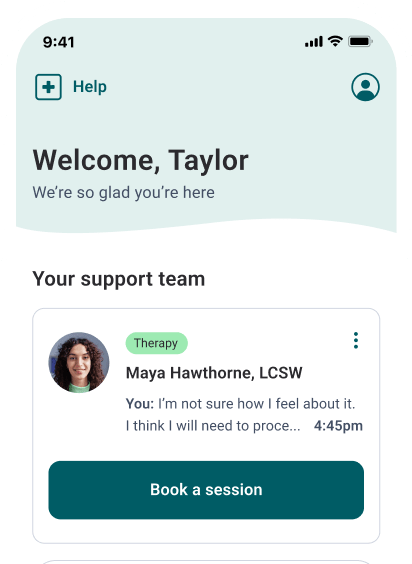
Talkspace makes it easier to access professional support for persistent depressive disorder from wherever you are. Licensed therapists, flexible messaging and live sessions, coverage through many major insurance plans, and secure mobile access that fits your schedule help remove common barriers to care. Explore online therapy with a licensed therapist at Talkspace to build a personalized treatment plan.
Frequently Asked Questions (FAQs)
How is persistent depressive disorder different from major depression?
Persistent depressive disorder involves a chronic low mood that lasts for at least two years, while major depression is characterized by more severe symptoms that occur in distinct episodes. Although symptoms of dysthymia may be milder, their long duration can have a significant impact on daily life.
How long does dysthymia usually last?
By definition, dysthymia lasts for at least two years in adults and one year in children and adolescents. Without treatment, symptoms can persist for many years, though effective treatment can help reduce their severity and duration.
Can you live a normal life with persistent depressive disorder?
Yes. Many people with persistent depressive disorder maintain relationships, careers, and daily responsibilities. However, symptoms can make life feel more challenging, which is why treatment and ongoing support are important for improving quality of life.
Is persistent depressive disorder treatable without medication?
For some people, yes. Therapy, lifestyle changes, stress management, and strong social support may be effective, particularly when symptoms are mild to moderate. Others may benefit from combining these approaches with medication as part of a comprehensive treatment plan.
When should you seek help for persistent depressive disorder?
You should seek help if feelings of sadness, hopelessness, low energy, or loss of interest persist for weeks or begin interfering with work, relationships, or daily functioning. Early treatment can help prevent symptoms from becoming more severe and improve long-term outcomes.