


Key Takeaways
- AI therapy uses technologies like chatbots, machine learning, and predictive analytics to provide mental health support and enhance therapist-led care.
- AI tools can help with mood tracking, self-reflection, and skill-building, but they can't replace a licensed therapist's empathy or clinical judgment.
- AI therapy works best as a supplement to professional mental health care rather than a standalone treatment.
AI seems to be everywhere, even in mental health care. If you're here, you probably have a few questions: What is AI therapy, exactly? Is AI therapy safe? Can it actually help? Technology is a huge part of everyday life. It's also changing how we engage with mental health resources.
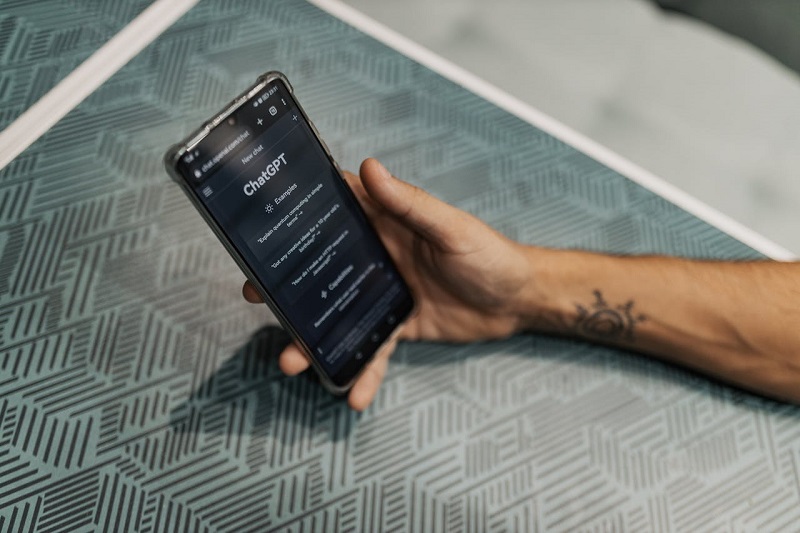
From late-night conversations with ChatGPT and Gemini to using chatbots and tools for personalized care, artificial intelligence is becoming more commonly used to reflect on emotions, track moods, or practice coping skills. Let's break down how AI therapy works, the benefits and limitations of AI in mental health, how it compares to working with a licensed therapist, and whether it can be an effective alternative to in-person therapy.
What is AI Therapy? Tools and Types
AI therapy is the use of artificial intelligence to deliver mental health support through digital tools or to enhance care provided by licensed therapists. Some AI therapy tools let you interact directly with AI, while others work behind the scenes to provide insights that support human-led care.
According to research in the Journal of Medicine, Surgery, and Public Health, common types of AI therapy tools include:
- Chatbots: AI-powered chatbots can have supportive conversations and provide real-time responses. When people use AI therapy chatbots like ChatGPT, these tools often draw from therapeutic techniques to help manage feelings of anxiety, loneliness, stress, and other everyday challenges.
- Mental health apps with AI features: These mobile or web-based platforms use AI to offer personalized tools such as mood tracking, guided exercises, journaling prompts, and self-reflection activities.
- Therapist-assisted tools: Some AI tools are designed specifically for therapists by helping identify patterns, personalize treatment plans, predict treatment outcomes, and analyze information more efficiently.
- Predictive analytics: Predictive analytics tools can analyze information such as sleep patterns, voice characteristics, heart rate, and other behavioral data to help identify potential mental health risks and support earlier intervention.
AI therapy tools versus human therapists
Artificial intelligence therapy can't replace human connection, but it's beginning to play a role in how people access mental health support. AI therapy tools can offer ways to support your emotional well-being, from providing real-time conversations to helping mental health providers personalize your treatment.
Because AI therapy can look different from traditional care, here's a simple breakdown of how AI tools and human therapists each support mental health.
How Does AI Therapy Work? Which Technologies Power AI Therapy Today?
Although AI may seem like a modern innovation, researchers have been asking whether AI can support therapy for more than 60 years. In 1966, researchers developed ELIZA, one of the first AI programs designed to simulate therapeutic conversation. The technology behind AI therapy has advanced significantly since then. Researchers train AI systems using algorithms that allow computers to analyze information, recognize patterns, and generate responses. Several technologies make modern AI therapy possible.
Natural language processing
Natural language processing (NLP) enables chatbots to simulate natural conversation. NLP helps AI understand, interpret, and generate human-sounding language. You've likely interacted with NLP before through tools like Apple's Siri or Amazon's Alexa. AI therapy uses similar technology to understand what you're saying and respond in a conversational way that feels more natural.
Machine learning
Machine learning (ML) allows AI systems to learn from data over time. Chatbots commonly use both NLP and ML to generate increasingly personalized responses based on your interactions. As the system learns more about your preferences, communication style, and goals, it can tailor suggestions and responses more effectively.
Predictive analytics
Mental healthcare providers can use predictive analytics to help predict your risk and the likely outcome of a mental health condition. With predictive analytics, researchers can use historical data (information from your past) about you to predict future outcomes.
Predictive analytics AI programs use several different factors to help predict risk and outcomes, including:
Introducing Tee by Talkspace
A safe, secure AI mental health guide, built by mental health experts.
Start a free trial- Your genetics: The genes inherited from your parents
- Physical traits: Characteristics like your weight, heart rate, and voice
- Environmental factors: Past trauma or social isolation
- Lifestyle choices: Diet, physical activity, and sleep patterns
- Social factors: Income, education, and support system
Some predictive analytics programs can help predict how you might respond to a certain treatment. This allows your mental healthcare provider to personalize the best treatment plan for you.
Sentiment analysis
Sentiment analysis combines NLP and ML to identify emotional patterns in language, speech, or behavior. AI tools may detect depression and anxiety, among other mental health conditions, by identifying subtle clues in conversations, journals, or social media posts that could indicate changes in emotional well-being. According to research in the Journal of Affective Disorders, some systems can also identify vocal or facial cues that may help therapists better understand a person's emotional state. While these technologies sound complex, their goal is simple: to recognize patterns, communicate more naturally, and provide support that's more personalized to your needs.
Pros and Cons of AI Therapy
As AI therapy becomes more common and widely available, it's natural to explore what it does and doesn't do well. AI therapy is still in the early stages, but research has revealed some of the strengths and limitations to keep in mind.
Pros of AI therapy
One of the most persuasive arguments for using AI mental health tools in therapy is to ease the demand for accessible and affordable mental healthcare. Traditionally, therapy involves in-person or real-time video chats with a human therapist. However, there are often more people who need therapy than therapists, and one therapist can only talk to one person at a time. AI-powered therapy can interact with several different people at once. This makes AI therapy a potentially helpful first step or supplement to traditional therapy.
Some of the benefits of AI therapy that people seek out include:
- Accessibility: You can access an AI therapist chatbot 24/7 with no wait times.
- Affordability: It's often free or offered at a lower cost compared to human therapy.
- Stigma reduction: AI therapy may be an easier entry point for those who are hesitant to see a therapist.
- Personalization: Many AI tools adapt over time, using your input and patterns to tailor responses, track your progress, and offer more relevant coping strategies.
"AI therapy tools can be a helpful first step for individuals who feel hesitant or overwhelmed about starting therapy, offering accessible, judgment-free support anytime. They can also supplement traditional therapy by helping clients track moods, practice skills between sessions and reinforce therapeutic progress."
- Talkspace therapist Cynthia Catchings, PhD, LCSW-S
Cons of AI therapy
While there are many potential benefits of AI therapy, it's also important to understand its limitations. Some drawbacks to AI therapy include:
- Lack of empathy: Chatbots can't truly replicate a real human connection.
- Limited scope: AI tools aren't designed to handle complex mental health problems, so AI therapy is often only helpful for people with mild to moderate symptoms.
- Crisis inadequacy: AI therapy isn't safe or recommended for people in an active mental health crisis.
- Privacy concerns: The data collected by AI therapy systems is at risk of patient data breaches or misuse. There are no ethical guidelines to protect your data.
- Bias in algorithms: If AI therapy programs are trained on biased data, they may not produce the best or most appropriate responses.
- Inaccuracy: AI can sometimes hallucinate information, resulting in wrong or inappropriate advice.
"From a clinical standpoint, my biggest concern is that AI tools can lack the empathy, nuance and cultural understanding needed to fully support someone in crisis or with complex trauma. While helpful in some areas, they should never replace the human connection that is often central to healing."
- Talkspace therapist Cynthia Catchings, PhD, LCSW-S
How AI Therapy Tools Can Support Your Mental Health Journey
"AI can support therapy by helping with self-awareness and skill-building, but it works best when paired with human connection and clinical guidance."
- Talkspace therapist Cynthia Catchings, PhD, LCSW-S
AI therapy tends to work best when it's used as a complement to human support rather than a replacement for it. Research suggests AI tools may help people with mild to moderate symptoms build self-awareness, practice coping skills, and stay engaged between therapy sessions. A 2025 study published in NEJM AI found that participants using an AI therapy chatbot experienced improvements in symptoms of depression, anxiety, and disordered eating.
You may find AI therapy tools helpful when:
- You're learning coping skills and want additional practice between sessions
- You need support outside traditional office hours
- You're exploring therapy for the first time and want a lower-pressure starting point
- You're tracking moods, stress levels, or emotional patterns over time
AI therapy isn't designed to replace licensed mental health providers. It lacks the clinical judgment, emotional understanding, years-long experience, and crisis response capabilities that human therapists bring to care. Used thoughtfully, though, AI tools can help expand access to support and reinforce progress between therapy sessions.
How Does Talkspace Blend Human Care with AI Tools?
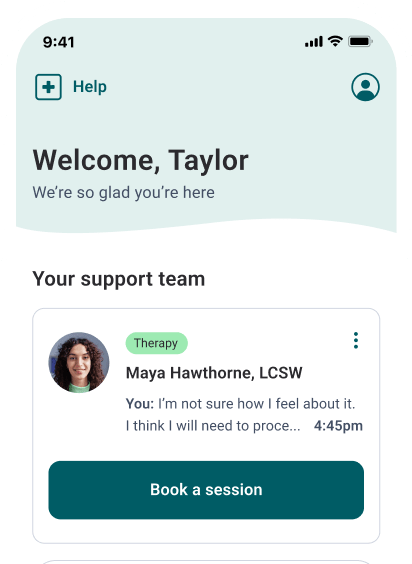
AI therapy can improve access to support, but it isn't meant to replace licensed therapists. You can get online AI support with Talkspace, where AI is designed to complement human care rather than substitute for it. As a supplement to therapy, Tee by Talkspace offers AI-powered support between sessions, helping you practice coping skills, track progress, and stay engaged with your goals. Unlike standalone AI chatbots, Tee was developed in partnership with mental health clinicians and is designed to work alongside licensed therapist care.
AI can be a helpful tool for self-reflection and skill-building, but meaningful mental health support still depends on human connection.
Frequently Asked Questions (FAQs)
What is AI therapy used for most often?
AI therapy is most commonly used for mood tracking, managing daily stressors, practicing coping skills, and building self-awareness between therapy sessions. People may turn to AI chatbots for accessible support when they're hesitant to see a human therapist or need guidance outside traditional office hours.
Is AI therapy safe for serious depression?
AI therapy isn't recommended as a standalone treatment for serious depression. While chatbots can offer supportive conversations for mild symptoms, moderate to severe depression requires the clinical judgment, crisis intervention skills, and personalized care that only licensed therapists can provide. AI tools work best as supplements to human-led therapy.
How much does AI therapy cost?
Many AI therapy chatbots are free or offered at minimal cost compared to traditional therapy sessions. Standalone apps typically charge $10-$50 monthly for premium features. AI tools integrated into therapy platforms are often included as part of your membership at no extra charge.
Can AI therapy replace a therapist?
No. AI therapy cannot replace a licensed therapist's empathy, clinical expertise, or ability to build therapeutic relationships. AI tools lack the nuanced understanding needed to handle complex mental health conditions, adapt treatment in real-time, or respond effectively to crises. Clinical guidance and oversight is a critical element to AI use in any mental health space.
What is AI therapy's biggest benefit?
Accessibility is AI therapy's biggest advantage. You can access support tools 24/7 without wait times, at a lower cost than traditional therapy, and without the stigma some people associate with seeing a therapist. This makes mental health support more reachable for people who might otherwise go without help.
Sources
- Olawade DB, Wada OZ, Odetayo A, David-Olawade AC, Asaolu F, Eberhardt J. Enhancing mental health with Artificial Intelligence: Current trends and future prospects. J Med Surg Public Health. 2024; 3, 100099. https://doi.org/10.1016/j.glmedi.2024.100099 https://www.sciencedirect.com/science/article/pii/S2949916X24000525
- Zhang Z, Wang J. Can AI replace psychotherapists? Exploring the future of mental health care. Front Psychiatry. 2024;15:1444382. doi:10.3389/fpsyt.2024.1444382 https://pmc.ncbi.nlm.nih.gov/articles/PMC11560757/#
- Krause FC, Linardatos E, Fresco DM, Moore MT. Facial emotion recognition in major depressive disorder: A meta-analytic review. J Affect Disord. 2021;293:320-328. doi:10.1016/j.jad.2021.06.053 https://www.sciencedirect.com/science/article/abs/pii/S016503272100639X?via%3Dihub
- Heinz MV, Mackin DM, Trudeau BM, et al. Randomized trial of a generative AI chatbot for mental health treatment. NEJM AI. 2025;2(4). doi:10.1056/AIoa2400802. https://ai.nejm.org/doi/full/10.1056/AIoa2400802
Talkspace articles are written by experienced mental health-wellness contributors; they are grounded in scientific research and evidence-based practices. Articles are extensively reviewed by our team of clinical experts (therapists and psychiatrists of various specialties) to ensure content is accurate and on par with current industry standards.
Our goal at Talkspace is to provide the most up-to-date, valuable, and objective information on mental health-related topics in order to help readers make informed decisions. Articles contain trusted third-party sources that are either directly linked to in the text or listed at the bottom to take readers directly to the source.
A note about AI: Talkspace aims to provide trustworthy coverage of all the mental health topics people might be curious about by delivering science-backed, clinician-reviewed information. Our articles on artificial intelligence (AI) and how this emerging technology may intersect with mental health and healthcare are designed to educate and add insights to this cultural conversation. We believe that therapy, at its core, is focused on the therapeutic connection between human therapists and our members. At Talkspace, we only use ethical and responsible AI tools that are developed in partnership with our human clinicians. These tools aren't designed to replace qualified therapists, but to enhance their ability to keep delivering high-quality care. To learn more, visit our AI-supported therapy page.
%20(2)%20(1).jpg)